By Stephen Appezzato
Changes to the state’s contentious liquor license regulations have many buzzing, especially craft brewers.
New Jersey amended its liquor laws after nearly a century of operating under rules made following Prohibition. New rules will introduce more liquor licenses in the state and lift restrictions that have suffocated many small breweries and distilleries, hopefully bolstering the state’s craft beverage industry.
The bill was designed to reintroduce dormant liquor licenses to the market but also to promote New Jersey’s craft breweries, wineries and distilleries by lifting restrictions placed on many small brewers in 2019.
Under previous liquor laws, small craft brewers could enter the market by purchasing a limited brewery license, which costs less than a conventional liquor license and is easier to obtain. This model was introduced in 2012, creating an explosion of craft brewing in New Jersey. But in 2019, restrictions were placed on limited-licensed breweries as officials determined they were never meant to have the same privileges as businesses that obtained standard retail liquor licenses, such as bars and restaurants.
Since 2019, limited-licensed brewers were not allowed to offer food to patrons. They were also required to offer brewery tours to patrons before serving alcohol and were subject to restrictions on the number of events they could host or attend, among other rules.
These restrictions received a lot of criticism from brewers and many who wanted to see New Jersey’s craft brewing industry thrive.
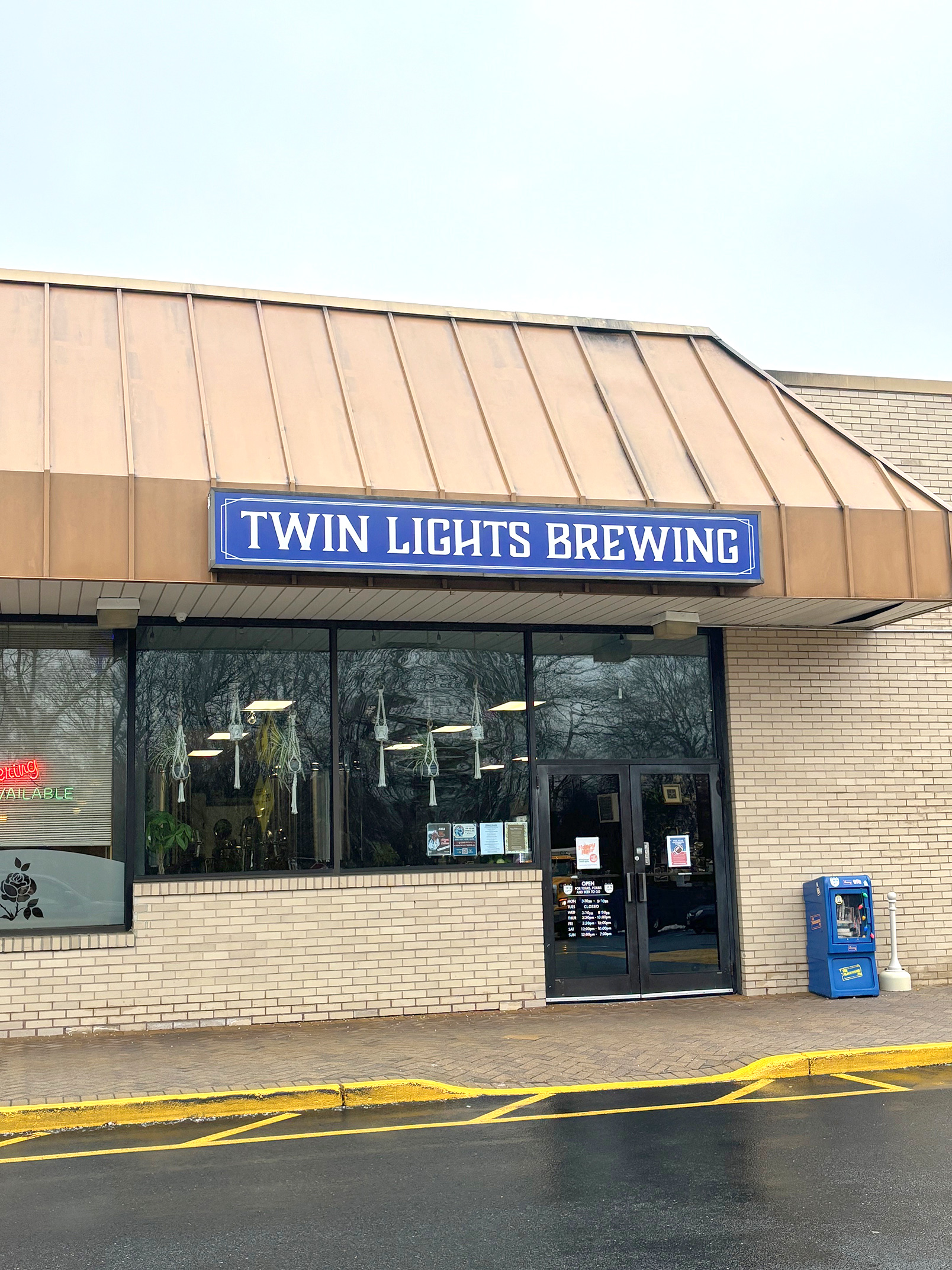
“It felt like we had to go to mom to ask permission to do anything. There were so many things we just couldn’t do, because of just what restrictions were in place,” said Will Grundmann, CEO of Twin Lights Brewing, a craft brewery in Tinton Falls.
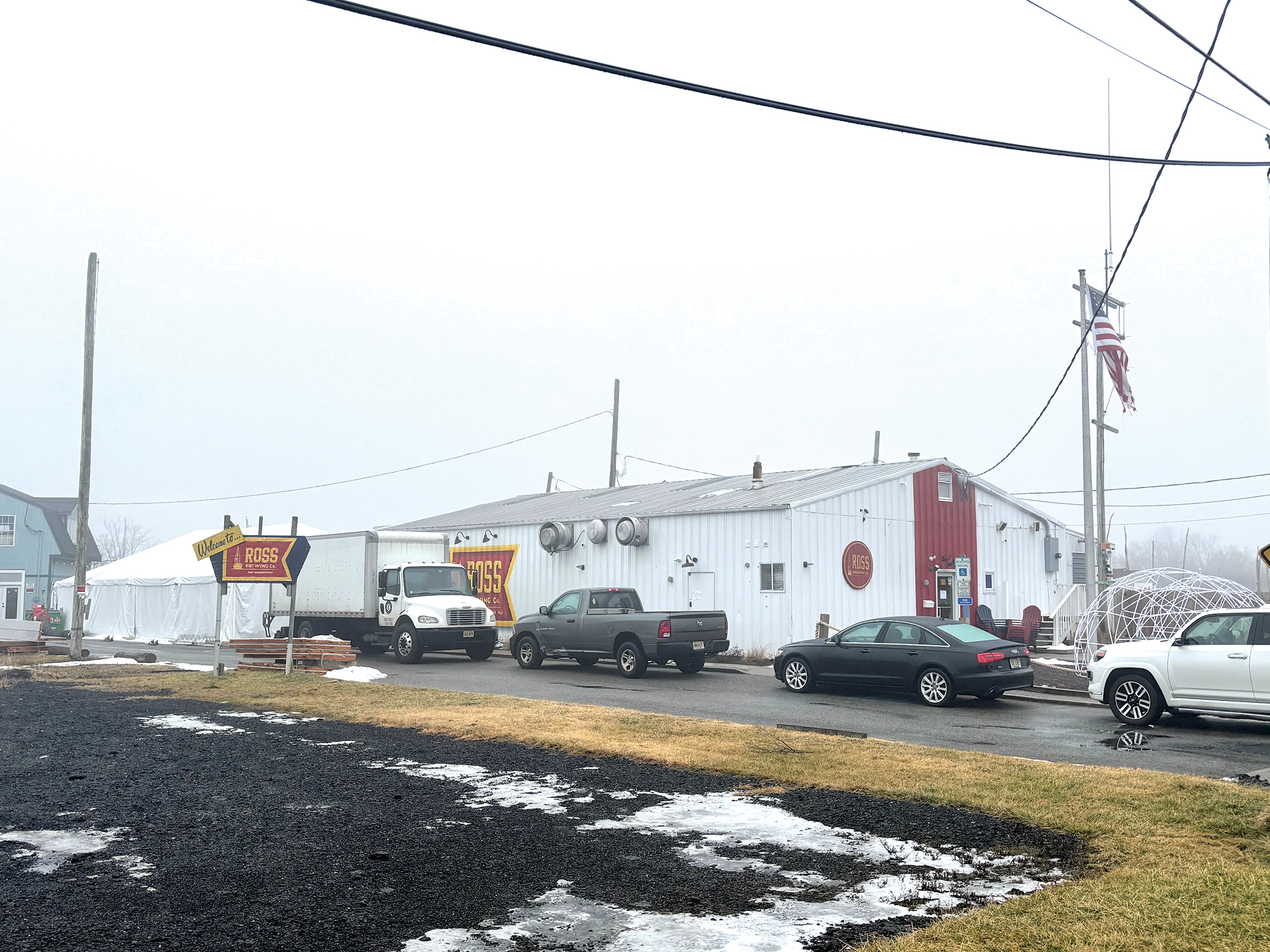
“It was brutal. It was actually completely and totally devastating for a number of breweries,” said John Cocozza, founder of Ross Brewing Co. in Belford. Cocozza helped usher the legislation through the legislature in his capacity as a Brewers Guild of New Jersey Legislative Committee member.
According to Cocozza, the brewery restrictions, coupled with COVID-19 pandemic mandates, caused nearly 10% of breweries in New Jersey to go out of business last year.
“I can tell you that those restrictions absolutely have choked the lifeblood out of many of the breweries in the state,” he said.
The restriction limiting the number of events breweries could hold was particularly frustrating for Cocozza. Local charities interested in hosting events would often contact Ross Brewing, Cocozza said, but he would have to turn them away as the events would not generate income for the brewery but would count as one of the finite numbers of events they could hold.
“Now we don’t have to worry about that,” Grundmann said. “We’re free to do a lot of things that we weren’t able to do before, such as serve nonalcoholic beverages. Before, we couldn’t even serve somebody a can of Coca-Cola if we wanted to, which doesn’t make much sense to me. And obviously, I don’t think it made much sense to anybody, which is why the bill was changed.”
Limited-license holders can now offer snacks and nonalcoholic beverages, collaborate with outside food vendors and food trucks, host unlimited onsite events, and host up to 25 off-site events. Furthermore, small breweries can now produce up to 300,000 barrels of product per year, an increase from 10,000, and directly sell 50% of their beer to retailers instead of relying on wholesalers.
“It’s a pretty big change and it’s going to allow us to host more events and really bring more people into our tasting room, which is what every brewery in the state really needs,” Grundmann said.
“This is going to allow us to do more fun things and connect with the community more and just provide a better overall experience, which is what people want. People want to come out and have a really great time and they want to learn about the beer and this is going to allow us to do that even more,” he added.
New Jersey’s new regulations also target the cause of the scarcity of liquor licenses – inactive and pocket licenses. Inactive licenses are those tied to a specific location that have not been in use. One example of this might be a restaurant that stops selling alcohol products to customers but retains its liquor license. Pocket licenses are those not tied to a specific location.
In New Jersey, the number of retail liquor licenses allowed in each town is based on the town’s population, meaning there is a finite supply.
Under the new bill, license holders must use their liquor license. If a license is inactive for two consecutive years, the holder must either begin using it or sell it. If the holder does neither of these, the license can be transferred. Furthermore, towns can now issue new licenses at public sale if a license in the town has not been renewed for eight years.
Many attribute the skyrocketing cost of retail liquor licenses in recent years to these inactive and pocket licenses. Due to their scarcity, licenses cost, on average, $350,000 when sold between holders.
Changes to the law are projected to inject up to 1,356 licenses back into the market, an approximately 15% increase.
“This is a pretty historically significant change, not just for the brewing industry, but for the overall liquor license industry in New Jersey, just the entire alcohol industry,” said Grundmann.
Sen. Vin Gopal (D-11), a primary sponsor of the bill, applauded the signing of the legislation, saying it “modernizes New Jersey’s liquor regulations and will allow the state’s craft alcohol businesses to reach their full potential.”
The bill also establishes a new “mall license,” where municipalities can issue up to two new liquor licenses for food and beverage establishments in shopping malls that are at least 750,000 square feet, and up to four new licenses for malls at least 1.5 million square feet. This could produce upward of 100 new liquor licenses across the state, while possibly helping New Jersey malls, which have struggled for years, survive.
“Facilitating the continued expansion of New Jersey’s vibrant craft alcohol industry will grow our state’s economy and support development in our local communities and I’m excited to see the positive impact these new policies will have on the state in the years to come,” Gopal said.
Monmouth County Commissioner Director Thomas Arnone said he hopes these changes to New Jersey’s adult beverage industry will “make it easier for our craft beverage industry to thrive and continue to be a successful economic engine and tourism destination for our residents and visitors” in the county.
The board of county commissioners launched Brewed & Distilled in Monmouth in 2022 to promote the area’s craft breweries, distilleries and wineries. On the program website, brewedanddistilledinmonmouth.com, people can discover and learn about Monmouth County’s brewers.
To celebrate the passage of the legislation, Ross Brewing is hosting a chili cook-off Feb. 3 for the Middletown community. “This is the type of event where we could not have really done this before. Now we can do it,” Cocozza said.
The article originally appeared in the January 25 – January 31, 2024 print edition of The Two River Times.