In observance of Fibroid Awareness Month, local hospitals are hosting programs to educate the community about the condition

By Regina Molaro
For various reasons – from societal pressure to internalizing pain as “normal” – many menstruating women tend to accept the frequent discomfort they experience in the pelvic regions in the run-up to and during their periods. Sometimes, what they feel is normal, but other times, their symptoms can signify other concerns.
July marks Fibroid Awareness Month and Monmouth County’s hospitals are pitching in to boost awareness about a condition that affects many people of reproductive age. Although fibroids – a common, typically benign (i.e., nonspreading) tumor of uterine smooth muscle – can be painful and diminish quality of life, they often remain undiagnosed. Many women tend to associate their symptoms with other causes.
Causes include abnormal uterine bleeding, pelvic pressure and pain, urinary symptoms, lower back pain, constipation or painful sexual relations.
USA Fibroid Centers, a national network of fibroid outpatient centers, cited a study referenced by the NIH National Library of Medicine, which stated that approximately 26 million women in the U.S. between the ages of 15 and 50 have uterine fibroids. Of these, 15 million are likely to experience symptoms or related health concerns. Symptoms can vary depending on the location of the tumor. When a fibroid develops in the uterine cavity, it may cause bleeding, pain and miscarriage. Bleeding is usually excessive and can lead to anemia. Depending on the location and size, fibroids may affect fertility.
“Most fibroids are discovered incidentally on routine gynecological exams and confirmed with an ultrasound,” said Robert A. Massaro, MD, FACOG, vice chair and program director, Obstetrics & Gynecology, Monmouth Medical Center in Long Branch. “Uterine fibroids can be detected in up to 80% of women by age 50. They are the cause for 40% of hysterectomies.”
Risk factors include increasing age (up to menopause), the early onset of menstruation, being above ideal body weight and being of sub-Saharan African descent. There’s also elevated risk for women who have never given birth.
Treatment Options
According to Massaro, treatment options depend on symptoms, patient goals and the location and size of the tumor. The patient’s desire to maintain fertility is another factor.
Treatment goals include relief from symptoms, sustained reduction in tumor size, maintenance of fertility (if desired) and avoidance of harm.
Luckily, treatments exist and include oral contraceptives, progestins (including progesterone), certain IUDs (intra-uterine devices), and non-steroidal anti-inflammatory drugs (NSAIDs) such as ibuprofen. Medications can also control bleeding.
If surgery is anticipated, medications called SERMS (selective estrogen receptor modulators) can decrease blood loss and operative time.
Surgical options include minimally invasive gynecological surgery, such as hysteroscopy, which removes fibroids from inside the uterine cavity without requiring skin incisions. Laparoscopy, a procedure that allows an examination of the inside of the abdomen or pelvis using a small incision and a thin, lighted tube called a laparoscope, can also remove fibroids from the surface of the uterus. In this case, patients can avoid open abdominal surgery, which involves a large incision. A myomectomy, a surgical procedure that removes uterine fibroids or noncancerous tissue growths from the uterus while leaving it intact, may be ideal for infertile women with a distorted uterine cavity.
For patients who don’t have symptoms, regularly scheduled check-ups may be the best option for diagnosing fibroids. For those who are finished having children, don’t wish to have them or are approaching menopause, Massaro believes that a hysterectomy is often the best option. Methods, which include vaginal, laparoscopic, robotic or open surgery, typically involve a six-week recovery.
Procedures that utilize new technologies, such as myolysis, which involves inserting a heated or ultrasonic needle into the fibroid to break it down, are always evolving. Massaro advises patients to discuss all options with their health care providers.
In observance of Fibroid Awareness Month, Monmouth Medical Center is hosting free programs, which will be announced to the community soon.
Free Webinar and Q&A
Community members are invited to tune into Riverview Medical Center’s educational webinar, Uterine Fibroids: Symptoms, Diagnosis and Today’s Treatments, which is being held from noon to 1 p.m.
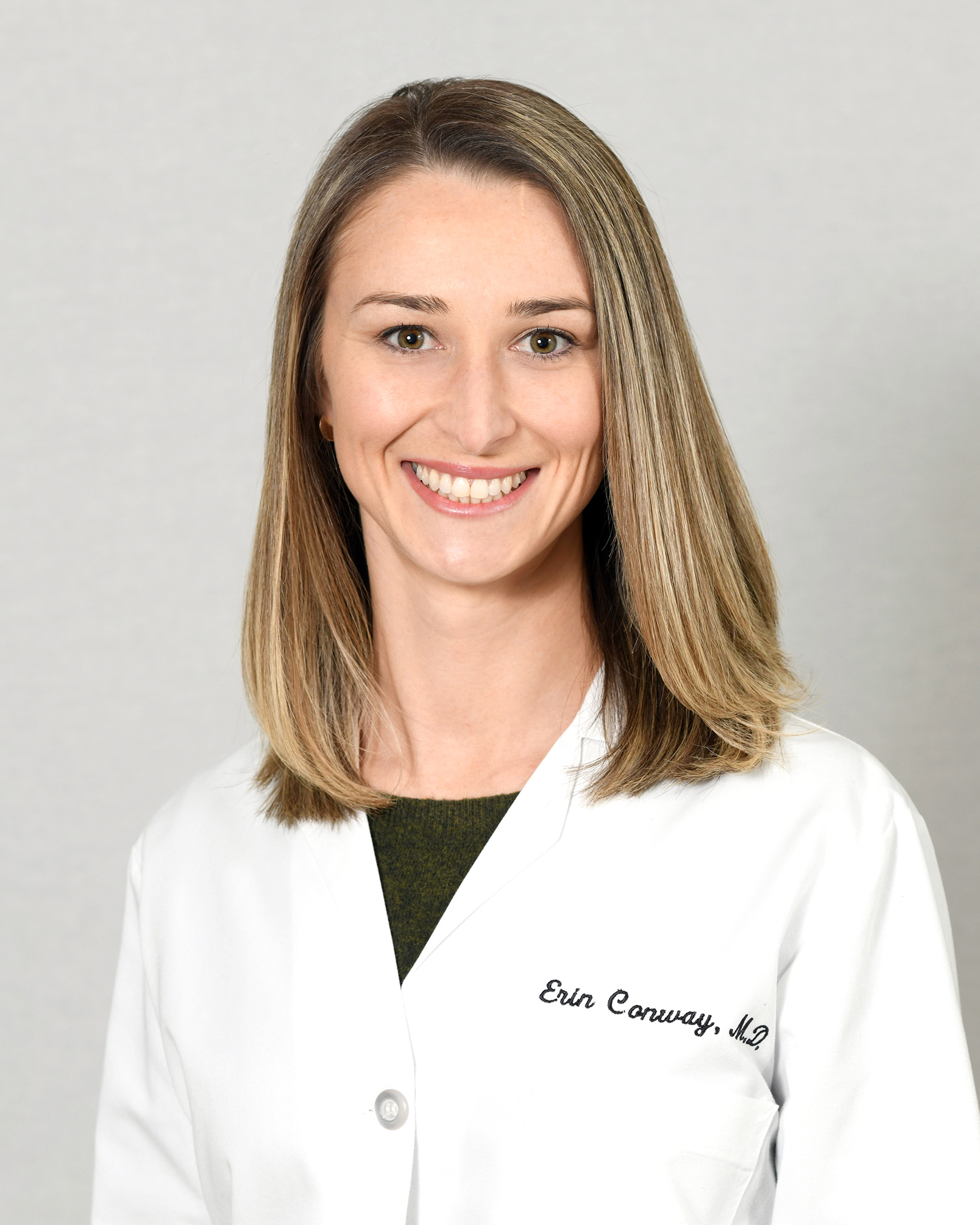
July 24. Jocelyn Carlo, M.D., Erin Conway, M.D., and Todd Liu, M.D. will educate attendees and answer questions during a Q&A. Registration is required; to secure your spot, visit events.hackensackmeridianhealth.org/fibroids24.
During the webinar, Conway, an OB/ GYN at Riverview Medical Center, will speak about the Acessa procedure and noninvasive therapies offered at Riverview Medical Center. Acessa shrinks fibroids using controlled heat with a technology known as radiofrequency thermal ablation.
The outpatient laparoscopic procedure, which is performed under general anesthesia, requires only a few small incisions in the abdomen.
A spokesperson for Riverview said the hospital is one of the few places in New Jersey and the only location in Monmouth County that offers this treatment. “Recovery is a lot shorter for this procedure compared to a hysterectomy,” explained Conway, an OB/GYN from Riverview Medical Center. “It also offers lower surgical risks, like bleeding and injury to surrounding tissues.”
The article originally appeared in the July 4 – July 10, 2024 print edition of The Two River Times.