By Stephen Appezzato
WEST LONG BRANCH – With the fall semester just days away, the Monmouth University faculty union is ramping up negotiations with school administration, pushing for better wages and benefits amid soaring costs of living.
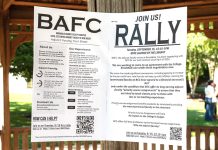
The Faculty Association of Monmouth University, known as FAMCO, returned to the bargaining table Aug. 27 to address unresolved contract issues and “major tentative agreements” with the university administration, like salaries, health care costs and a proposal to restore a portion of tenured and tenure-eligible school faculty. Alongside negotiations, educators will hold a university-wide Labor Day Week teach-in program to educate students on the positive impact of fair and equitable faculty contracts on the learning environment.
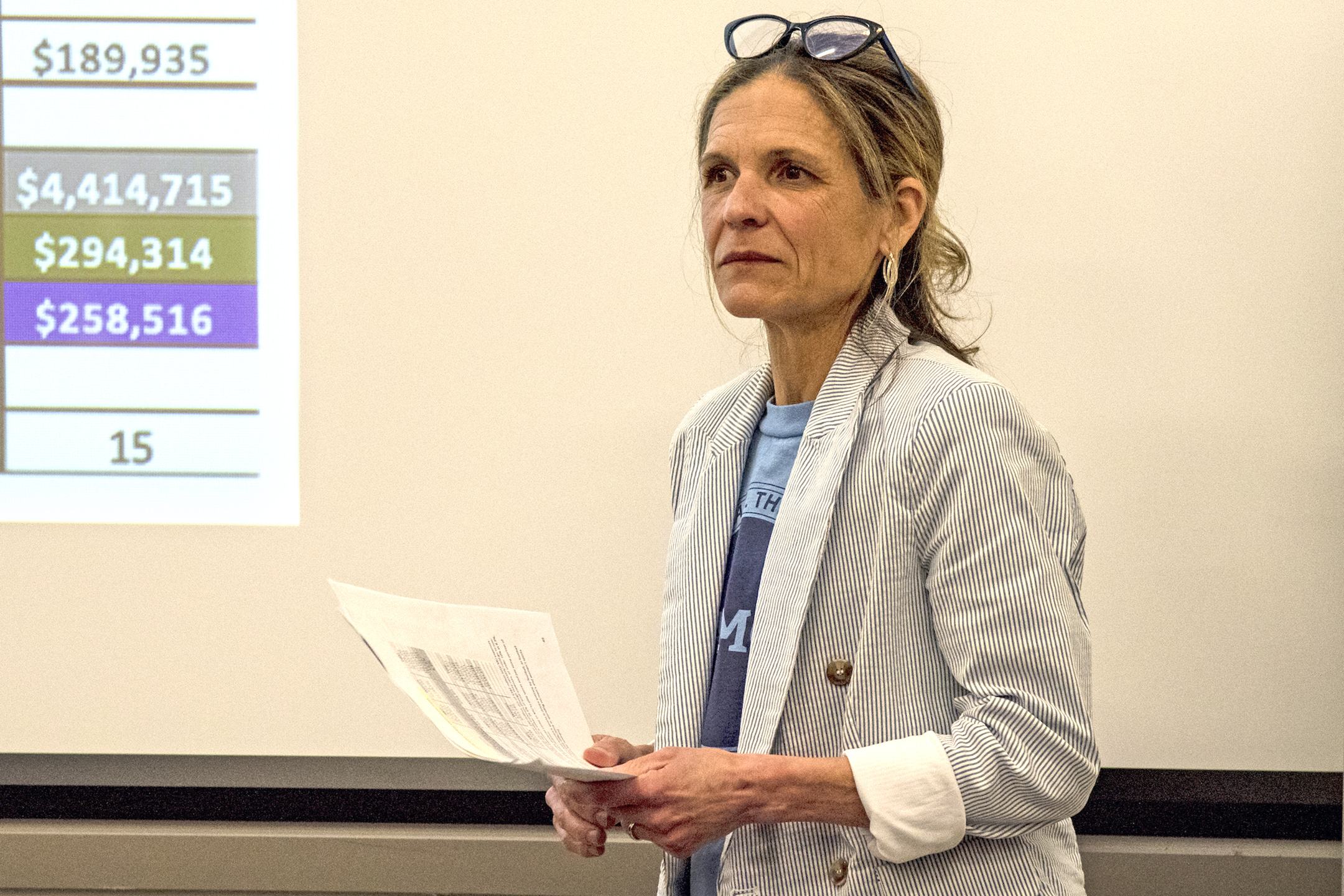
“We need Monmouth University to be a stable and equitable place for our faculty and also for our students, and right now, we don’t have that,” said Johanna Foster, a chief negotiator for FAMCO, associate professor and director of the university’s sociology program, in a phone interview Aug. 28. According to Foster, faculty have lost more than 8% of their real earnings since 2020 due to inflation, and since the last contract period alone, the average university faculty member has lost over $6,500 in earnings.
Since late July, more than half of the union’s members have signed a letter supporting FAMCO’s contract campaign goals, which are “to bring greater stability to Monmouth University for faculty and students, along with equity in workplace conditions and salaries.”
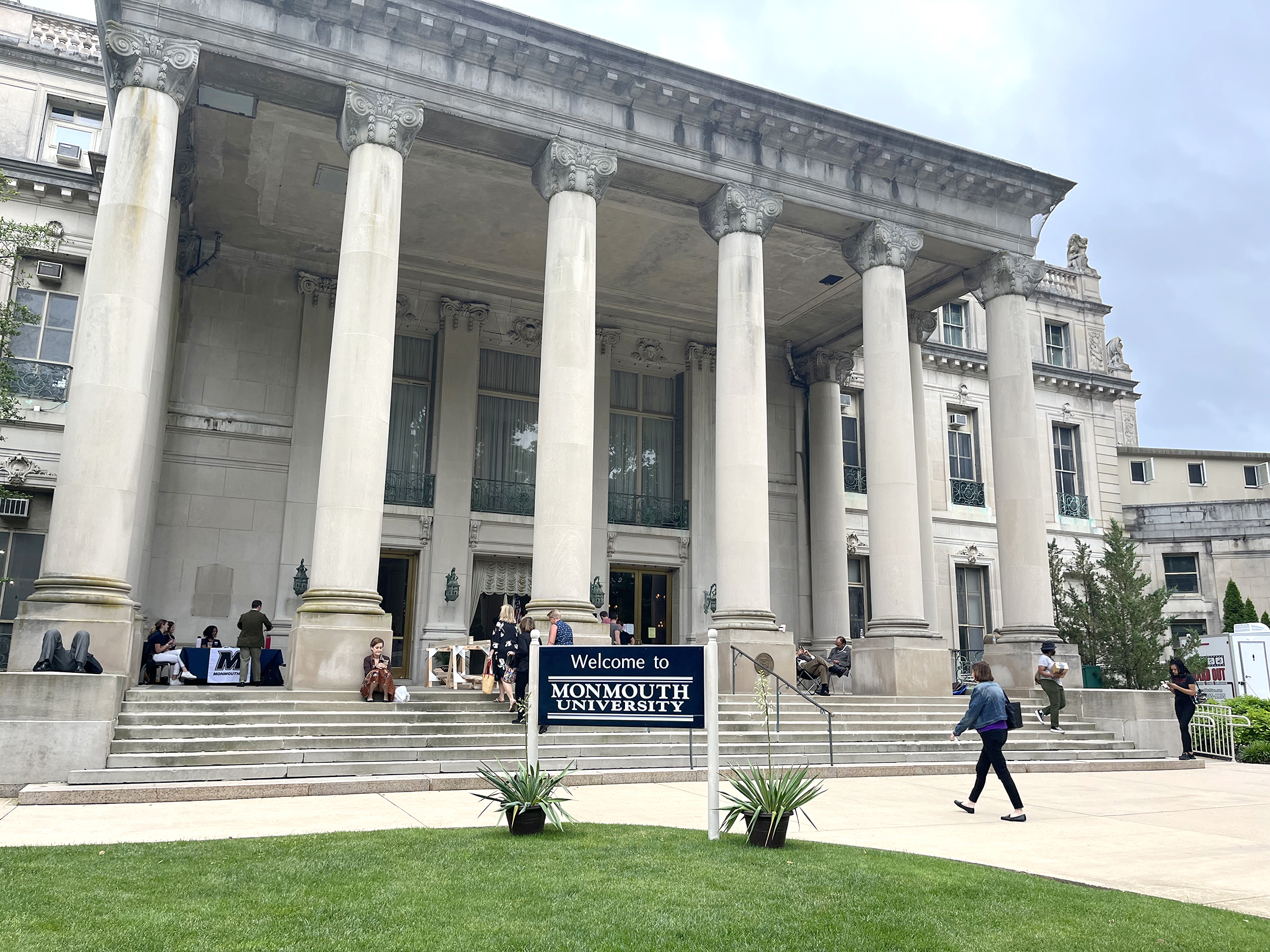
“Those who signed the open letter back the bargaining unit’s call to ensure that MU faculty – many of whom do not earn salaries that have kept pace with the soaring costs of living in the area, despite the highest levels of training and expertise – are afforded economic security and livelihoods with dignity,” a release from FAMCO read.
FAMCO represents more than 200 fulltime faculty and has been negotiating with the university since February. According to the union, this year, for the first time, the school administration hired an external law firm to lead contract negotiations. The current collective bargaining agreement between the two parties, which took effect in 2021, expired June 31.
Weeks ago, negotiations over noneconomic conditions wrapped up, including issues surrounding work conditions, committing to ongoing labor-management discussions on diversity and equity in the hiring process and promotions and stronger contractual assurances to shield faculty and students from potential future contracts with what the union calls “predatory online educational program corporations (OPMs).” OPMs are companies that are hired by colleges to provide online classes, which are sometimes criticized for deceiving students by providing a company-designed education with private teachers under the presumption they are university staff.
The union also wishes to restore the “hollowing out of tenure-stream faculty positions,” where professors are hired on contingent terms. FAMCO says contingent employment has put many teachers in a “precarious economic status” and resulted in understaffing, which affects students.
In a statement to The Two River Times, Monmouth University provost and senior vice president for academic affairs Richard Veit said the school is “actively negotiating in good faith with its faculty union.”
“We are working toward a contract that continues to provide our faculty with competitive wages and healthcare, and we look forward to bringing these negotiations to a positive conclusion as soon as possible. We wish all students and faculty the best on the beginning of the fall semester,” said Veit.
According to FAMCO, many members see the contract negotiations as a “fork in the road” regarding their personal and institutional future.
“Our students deserve faculty who can live near campus, who can focus on the core academic mission without worrying about getting side hustles or worrying about being overcharged for health care, who can afford housing in the community,” Foster said.
“Our students’ learning environment is directly related to the faculty members working environment, and so we feel that our fight for a fair contract is also a fight for our students.”
FAMCO was established in 1971 and is responsible for negotiating labor agreements with the university, protecting faculty members by helping interpret agreements and the grievance system, which is the process of claiming a union contract has been violated and promoting “collegiality” through hosting open meetings, discussions and debates, according to its web page.
The article originally appeared in the August 29 – September 4, 2024 print edition of The Two River Times.