By Regina Molaro
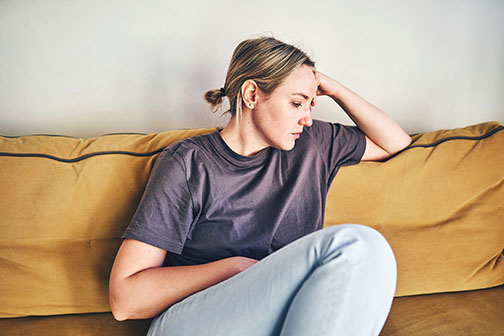
When daylight saving time ended Nov. 3, the clocks “fell back” to standard time. Due to a lack of sunshine during shorter days, many people started feeling depressed. Some claim they feel less motivated to get out to the gym, shop or socialize after dark. They believe the shorter days prompt them to become more dormant.
Daylight saving time can be traced back hundreds of years. In 1784, Benjamin Franklin wrote about the concept in a satirical essay titled “An Economical Project.” Franklin said people could conserve money on candles and lamp oil if they adjusted their sleep schedules.
In the U.S., daylight saving time was initially implemented with the Standard Time Act of 1918 – a wartime measure intended to be temporarily used during World War I. Congress imposed one standard time to enable the country to better utilize resources. After the war, individual states continued to alter their clocks.
For some, this transition takes a bit of time to get used to, but for others, it’s quite debilitating. Those who become very depressed may suffer from seasonal affective disorder, also known as SAD.
SAD: It’s Not Just an Acronym
“Seasonal affective disorder is a form of depression that has a seasonal pattern,” explained Barbara Tatum, M.A., Ed.S., N.C.C., L.P.C., at Shoreline Counseling, a mental health provider in Atlantic Highlands. “The symptoms usually occur during the winter when there is less sunlight and usually improve during the springtime. Symptoms include feeling sad, loss of interest, changes in appetite, changes in sleep patterns, loss of energy, an inability to sit still or sluggishness, feeling worthless or hopeless, difficulty thinking (or) concentrating, and can sometimes include suicidal ideation.”
These symptoms can be distressing and overwhelming enough to interfere with daily functioning. Fortunately, there is a silver lining since SAD can be treated.
The American Psychiatric Association notes that about 5% of adults in the U.S. experience SAD, which typically lasts about 40% of the year. The prevalence varies with geographical latitude, age and gender and increases at higher latitudes. SAD is more common among people living far from the equator – like here in New Jersey – where there are fewer daylight hours during the wintertime. Younger people and women are at higher risk.
Finding the Light
Those who are experiencing disruptive symptoms are encouraged to seek help. “Seasonal affective disorder needs to be treated if a person’s daily functioning is significantly impaired and/or if they are having any thoughts to harm themselves,” said Tatum. “That said, even individuals with milder cases could benefit from extra support.”
It’s best to seek help sooner rather than later. Those affected may benefit from an increase in self-care, light therapy, talk therapy and antidepressants. People experiencing symptoms can get help through their primary care physicians or psychiatrists who can provide medication management.
Talk therapy and cognitive behavioral therapy are other approaches to care and are available through psychologists, licensed professional counselors or licensed clinical social workers.
Prioritizing Yourself
Self-care and self-awareness are very important parts of SAD treatment. “It’s important to approach the winter season with a positive attitude to monitor your mood and energy level to adjust daily schedules to wake earlier with the morning light, and to focus on spending some time outside in direct sunlight at least once per day,” said Tatum.
Physical activity is also essential, as is some form of mindfulness or meditation. Finally, linking to social supports and activities that deliver a sense of joy, meaningful connection and purpose can reduce isolation, low mood and patterns of negativity.
Feeling SAD? Be sure to seek help, so you can enjoy all the joys of the winter season and the upcoming holidays.
The article originally appeared in the December 5 – 11, 2024 print edition of The Two River Times.