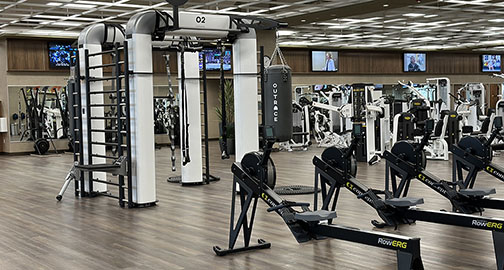
Physical activities such as strength training or interval training are part of a healthy workout. 
Life Time, an athletic country club in Red Bank, offers a myriad of classes, activities and programs. 
Swimming is a moderate-intensity aerobic exercise key to maintaining overall health and preventing age-related muscle loss. 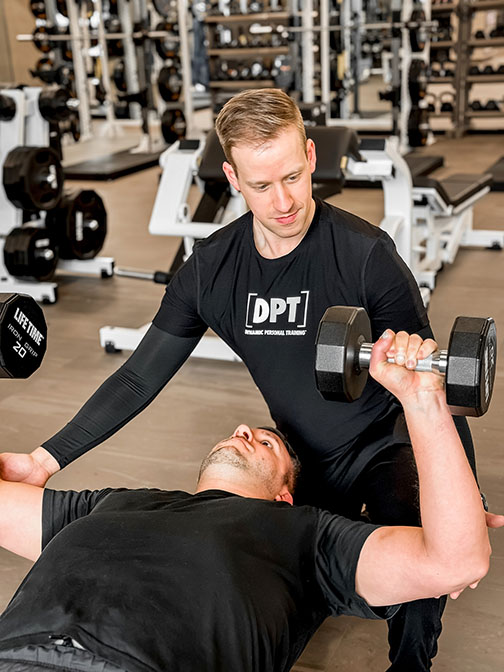
For those looking to tone their body, prioritizing lifting weights could be beneficial. 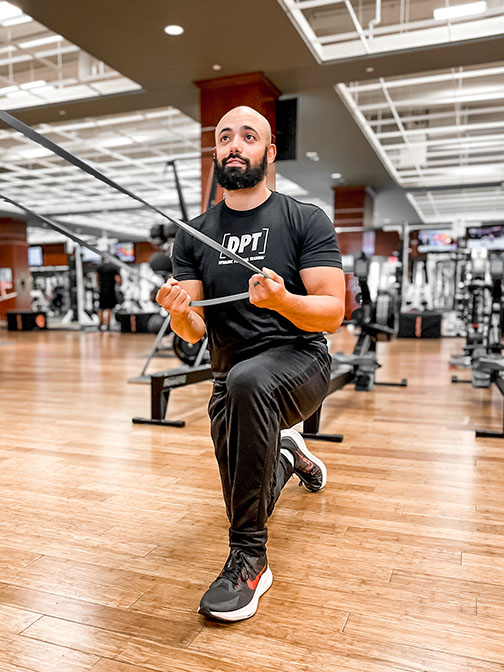

By Hope Daniels
Ready to get in top shape this year? Here is some expert advice to silence any looming feelings of self-doubt, help you separate fitness facts from myths and set you up for success in 2025.
When it comes to crushing your fitness resolutions, finding a plan that works for you can be challenging and half the battle. With so many diet fads, workout gimmicks and misinformation, it’s difficult to decipher fact from fiction. Luckily, we did all the heavy lifting, asking some fitness experts for tips on how to begin your wellness journey with a strong, confident, and informed approach.
Eric Cassara, a registered dietician and fitness professional, and Juan Tamariz, senior personal training manager for the New Jersey market, of Life Time, an athletic country club in Red Bank, debunk some fitness myths once and for all and lay out a path that will inspire and revolutionize your workout routine.
Myth No. 1: Carbohydrates are Bad for You
Good news for fitness buffs who love their bread and want to eat it, too. “Not all carbohydrates are the same,” explained Cassara. “Carbohydrates have been given a bad reputation, as some people believe they are the cause of weight gain and other negative health outcomes.” As a matter of fact, carbohydrates can be categorized as simple or complex, with distinct differences in how they affect an individual’s diet.
“Simple carbs digest rapidly, providing a quick burst of energy, while complex carbs take longer to break down, leading to sustained energy release,” Cassara said. “Simple carbs cause a rapid spike in blood sugar levels, followed by a crash, whereas complex carbs produce a more stable blood sugar response. Simple carbs often lack fiber and other nutrients, while complex carbs are typically rich in fiber and essential vitamins and minerals.”
Cassara assures clients that, depending on their lifestyle needs, they can find the right balance when consuming carbohydrates, which is vital to achieving health and fitness goals.
Tip: Eat an easily digestible snack that is high in carbohydrates, moderate in protein, low in fat, and low in fiber 30 minutes to an hour before exercising. This will give your body the quick burst of energy needed to get through a big workout. Some examples include ¼ cup of dried fruit, 1 cup of pretzels, or ½ cup of applesauce.
Myth No. 2: Walking isn’t a Workout
“If walking is someone’s primary form of exercise, they can still experience significant health benefits, including weight loss,” Tamariz assured hardcore walkers.
“The act of walking itself burns calories, improves insulin sensitivity and increases metabolism, which contributes to fat loss over time,” Tamariz said. One example of an effective routine is clocking those 10,000 steps per day.
Tip: Walking is a great starting point for improving health, but combining it with other physical activities, like strength training or interval training, and proper nutrition, will maximize long-term results.
Myth No. 3: Limit Exercise as You Age
That is a misconception. Exercise benefits all ages, but the intensity level and type of exercise you choose should be adjusted based on individual health, fitness levels and personal goals.
“For middle-aged adults, a combination of moderate-intensity aerobic exercise, like brisk walking, swimming or cycling, alongside strength training at least two days a week is key for maintaining overall health and preventing age-related muscle loss,” Tamariz said. Spinning, pickleball and swimming can be great choices because they offer cardiovascular benefits while being easier on the joints.
“For seniors, the focus should shift slightly toward low-impact activities that emphasize joint health, flexibility and balance.” Tamariz suggests swimming and walking as excellent low-impact cardiovascular options. Activities like tai chi or Pilates can improve balance, flexibility and well-being.
Tip: Strength training remains important for most ages but should be approached with caution. Seniors should focus on lower weights with higher repetitions to avoid injury.
Myth No. 4: The Number on the Scale is the True Sign of Weight Loss
Reality check for all the scale-obsessed: “Scales can sometimes be misleading,” Cassara said, and he encourages people not to let the number they see control their happiness. While scales can be useful tools for weight management, they only tell you your total weight, which includes everything: fat, muscle, water, and bone, explained Cassara. This number can fluctuate due to many factors, including hydration, food intake and hormone levels, and it doesn’t distinguish between muscle and fat.
Tip: A body composition analyzer can help you accurately see the changes between muscle and fat mass.
Myth No. 5: Shorter Workouts are Less Effective than Longer Sweat Sessions
“Breaking up workouts throughout the day can be just as effective as longer continuous workouts and, in some cases, it may even offer additional benefits,” said Tamariz. “The key factor in determining effectiveness is the overall intensity, duration and consistency of the exercise, rather than whether it’s done all at once or in segments.
Research shows that shorter, more frequent exercise sessions can still lead to improvements in cardiovascular health, calorie burn and overall fitness, similar to a single, more extended workout session.
Tip: Try fitting three 10-minute walks into your day, a perfect option for those with a busy lifestyle who are limited on time. It is a great way to help you achieve your fitness goals.
Myth No. 6: Cardio is Best for Slimming Down
Not exactly. Cardio and weightlifting each offer unique benefits, and one isn’t superior to the other. Tamariz noted that cardio is an excellent choice for boosting heart and lung function, lowering the risk of heart disease, and supporting weight loss, while weight training is key for building muscle mass, increasing strength, and improving metabolism.
Because both of these exercises depend on a person’s fitness goals, body type and overall health, they can complement each other. Someone looking to tone their body and develop lean muscle might prioritize lifting weights, as it stimulates muscle growth and increases resting metabolism, meaning they burn more calories even when not exercising. Someone who wants to lose weight or improve cardiovascular health may gravitate toward cardio.
Tip: Talk to a fitness professional about a balanced workout, depending on your personal goals.
The article originally appeared in the January 2 – 8, 2025 print edition of The Two River Times.