By Jody Sackett
You sip Chianti at sunset as you admire the fireflies dancing over your patio. Then you slap a mosquito. In a nutshell, that’s the story of summertime insects – the beautiful and the pesky. But this natural balance can help homeowners control summertime pests, reducing the need for chemical interventions and even providing family fun.
It’s not your imagination; mosquito populations are increasing due to climate change. Rising temperatures and humidity enable mosquitoes to live long and grow faster. More frequent intense storms mean more stagnant water for breeding and extended hot weather brings targets (humans) outdoors more often. Besides the itchy bites, mosquitoes can bring diseases like West Nile virus, malaria and den-gue, according to the Monmouth County Mosquito Commission. These voracious insects show up in mid-spring as aquatic eggs that hatch into larvae. After pupating into flying adults and mating, females need a blood meal or two to develop eggs, while males consume nectar. Shorter days and temperatures below 60 degrees stop the blood-sucking. Adult mosquitoes usually die after the first hard frost, but this cold arrives later now, and some species can overwinter as adults indoors in basements or attics. Superhero critters eat mosquitoes include birds, bats, turtles, frogs, toads, lizards, salamanders and a host of other beneficial insects.
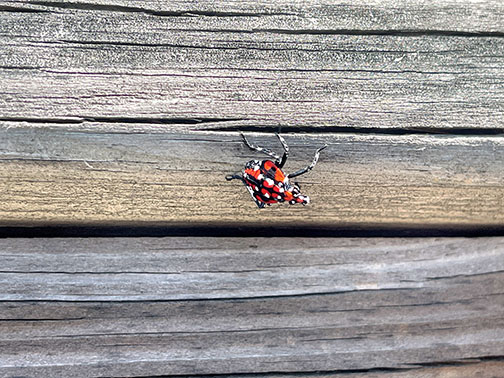
The spotted lantern fly (SLF), a colorful invasive insect, arrived in Pennsylvania in 2014 and was seemingly unstoppable due to a lack of natural predators and an uncanny ability to hitch rides with unsuspecting drivers. Besides damaging plants (especially the Tree of Heaven and vine- yards), they are a nuisance, hopping onto backyard trees, furniture and surprised folks. SLFs secrete a “honeydew” coating on plants which attracts sooty mold and disrupts photosynthesis, yet it turns out bees use this honeydew as food to convert to hive honey. New Jersey’s Stomp It Out campaign calls for squishing all black nymphs and red- and black-winged adults, using tree traps for larger infestations, and scraping and destroying egg masses that overwinter on tree trunks or outdoor furniture and equipment. Fortunately, SLF populations have started to decline, partly due to this squishing effort, a fungal disease, and the development of natural enemies such as birds and predatory insects, who learned these SLFs are edible despite a bitter taste.
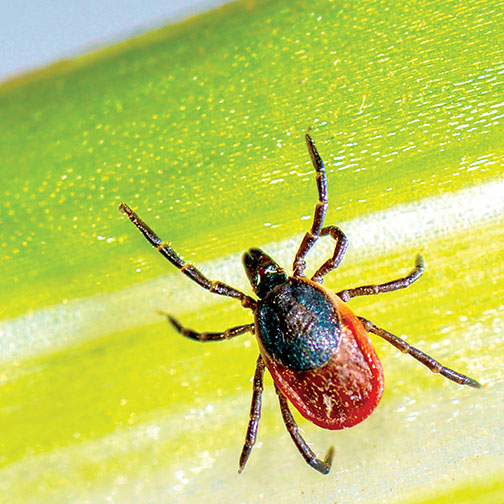
Ticks used to be a warm-weather problem, but climate change has turned this into a year-round issue. Tick season now begins earlier in spring and lasts into late autumn, and may not end at all if it’s a mild winter. The most common tick species in New Jersey are the black-legged or “deer tick,” the lone star tick, and the American dog tick. All three can transmit diseases to humans and pets, such as Lyme, ehrlichiosis, anaplas-mosis, Rocky Mountain spotted fever and babesiosis. The CDC warns that New Jersey, New York and Pennsylvania have the highest number of tick-borne diseases. Natural predators for this pest are opossums, birds, spiders, frogs, toads and beneficial predator insects.
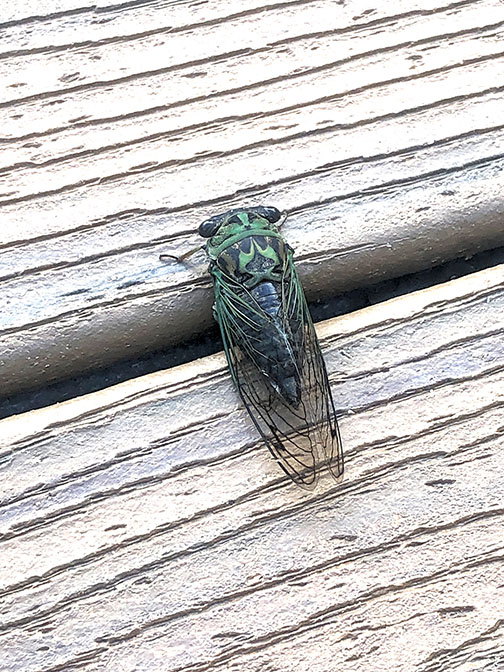
Ticks and SLFs don’t make noises, but cicadas sure do. Known for their loud buzzing and emergence in droves, cicadas are harmless but their noise can be deafening. While Brood XIV will emerge here in 2025, we still have the usual annual cicadas all summer long. Consider it a song of the summertime. The Eastern cicada killer wasp is a potent natural predator; this
one-and-a-half inch black and yellow/red wasp looks fearsome and stings cicadas
to turn them into zombie food for its wasp larvae, but luckily is completely harmless to humans.
All of these pests, whether potentially harmful to flora, fauna and humans or just annoying, can be mitigated to a certain extent and nature is a great defense against pesky insects; bats alone will eat 3,000 mosquitoes a night. There are plenty of natural predators ready to tackle mosquitoes and ticks, if we encourage them. The heavy hitters on this team are birds, bats, lizards and amphibians (frogs, toads and salamanders); small mammals like mice, opossums, shrews and squirrels; and beneficial insects like spiders, beetles, dragonflies, fireflies, green lacewing, wasps and praying mantis. Here’s how to help those helpful animals and bugs do their job.
• Avoid spraying pesticides. These toxic chemicals don’t discriminate and will kill both pests and beneficial insects. Amphibians are particularly sensitive since they absorb moisture and bug poisons directly through their skin. Once the insects are eliminated, natural predators like birds and mammals will leave, since there’s no longer a food source. When pesky insect populations rebound, as they will with their speedy reproduction rates, the natural controls will be gone. Repeated routine pesticide applications will only ensure natural predators never return. Other pesticide risks include to pets who play in sprayed yards and waterways that become contaminated with pesticides from stormwater runoff.
• Plant natives to encourage natural insect predators. Native plants evolved over centuries, adapting to the local environment and climate. Insects have also evolved with these plants, so they are in sync. Native plants provide the specific structures, like dense foliage or pollen needed for feeding, hiding, reproduction and overwintering, for both herbivore and predator insects. Besides habitat, the plants can directly provide food; for example, bees and butterflies eat purple coneflower nectar and pollen, but so do beneficial predators, who can be omnivores and consume a variety when food is scarce. Indirectly, natives feed predators by hosting herbivores, which are irresistible prey. Visit jerseyyards.com for information about which native plants to put in your garden or patio pots.
• Provide water. A birdbath is essential for our feathered friends, but remember to empty and refill it every two days to avoid breeding mosquitos. Insects also need water, especially in the hot summertime, but won’t want to visit a birdbath where they’ll be eaten. Instead, make a butterfly puddler (a dish of water with “perching stones”) to hydrate butterflies and other beneficial insects, and tuck it into a protected nook in your yard.
• Provide Habitat. Insect life cycles often include leaf litter, where eggs overwinter, larvae hatch and grow hidden from predators, and there’s a convenient food source. Fireflies, among others, need leaf litter to survive, so leave some around your yard; manicured lawns generally aren’t good habitats for natural predators. Insects also love wood piles, too, if you have a fireplace stack or just brush. For a fun family activity, make a bug hotel by tightly fitting twigs, small wood pieces, grasses, dead leaves, hollow stems and bark into a small wooden frame, and mounting it above the ground in a sheltered place. The kids can also make a toad house from an upside-down ceramic flower pot, propped open with a rock and placed on soil in a shady damp spot. Or purchase a bat house kit to build and entice bats to patrol your yard.
• Provide food. Rutgers University recommends providing a pollen/nectar food source to encourage beneficial insects. To attract them, spray your garden or yard borders with a solution of one part lemon-lime soda and three parts water.
• Turn off unnecessary lights. Outdoor lights wreak havoc on birds, causing disorientation and collisions. Fireflies glow to attract mates and ward off predators, but they can’t compete with bright night lights. We don’t always need exterior lights, especially when sleeping, so turn them off or at least use timers and motion detectors.
• Don’t use bug zappers. Bug zappers aren’t effective in dispatching mosquitoes but unfortunately are great at killing beneficials and pollinators. Protect your insect team and don’t zap.
• Conduct a family scavenger hunt. Mosquitoes breed in just a quarter inch of water, so gather the family to hunt and eliminate stagnant water sources around your home. You can also put Mosquito Dunks, which contain Bt (Bacillus thuringiensis, a naturally-occurring bacteria that’s only toxic to mosquito and fungus gnat larvae) in places that easily accumulate water like gutters, outdoor toys or pots. Your gang can vie for the title of Top SLF Assassin by competing to see who captures the most SLFs using an empty wide-mouth bottle (like Gatorade); just hold the open end of the bottle in front of the SLF head, and it will hop right in. Fill the bottle with soapy water afterwards and discard.
• Use natural repellent. Bugs dislike certain scents and will avoid oil of lemon eucalyptus, lavender, citronella, peppermint, citrus, geranium and vinegar. Try these to effectively repel insects, naturally.
Nature provides innumerable allies to control pesky insects. Now is the time to enjoy our backyards, so let’s work with nature’s “team” to promote healthy ecosystems and keep pests in check.
The article originally appeared in the August 22 – 28, 2024 print edition of The Two River Times.