


By Sunayana Prabhu
LITTLE SILVER – Six candidates are vying to fill three full-term seats on the Little Silver Board of Education (BOE). They discussed academic priorities at a Sept. 15 virtual forum hosted by the League of Women Voters (LWV) of Monmouth County.
Two incumbents are on the ballot this year: Jeanne Lauro, currently vice president of the BOE, and Vincent Lenza. Current BOE member Maria Wood’s seat is the third open slot; she is not seeking reelection.
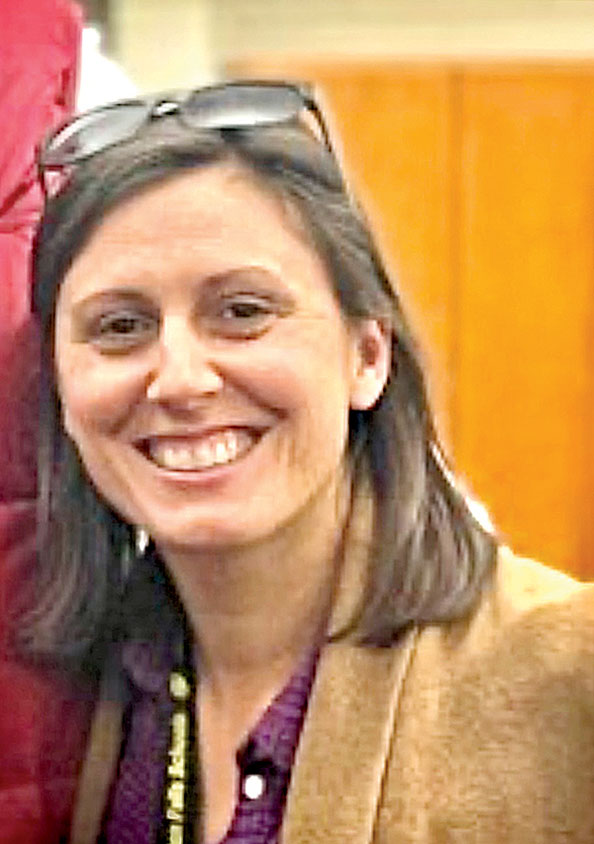
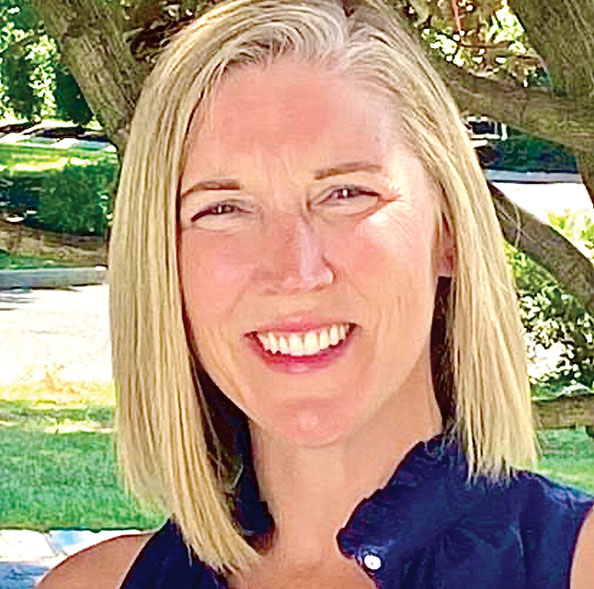
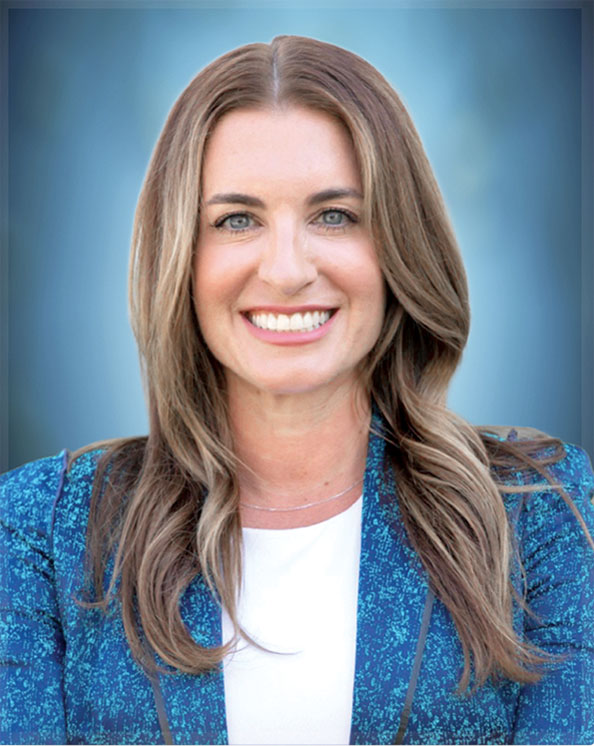
In addition to Lauro and Lenza, Adam Feigenbaum, Christina Skove, Peter Demato and Kristen Mignoli are also running.
Feigenbaum, Skove and Demato are running under the “Working Better Together” slate; Lauro’s slogan is “Responsible Accountable Integrity,” and Lenza’s is “Responsible and Experienced.” Mignoli is running under the banner “Educator for Education.”
Candidates tussled with several issues during the LWV program.
The Nov. 3 general election includes BOE candidates on the ballot. Early voting is scheduled from Oct. 24 through Nov. 1.
Academic Priorities
The Little Silver School District is a pre-K to eighth grade suburban district. Of the two district schools, Point Road School houses pre-K through fourth grade, and Markham Place School houses fifth through eighth grades. The curriculum follows the New Jersey Student Learning Assessment (NJSLA) standards in content areas.
The candidates said Little Silver’s academic performance is strong, and several urged the district to build on its results without disrupting successful programs.
“I think it’s important to have a steady hand, encourage that continued excellence,” Demato, who is a lawyer with about 14 years of litigation experience, said.
Lauro said the district’s NJSLA scores in math and ELA are “off the charts,” but she identified science as one area for possible growth. A resident for 20 years and board member since 2022, Lauro said she wants to continue contributing to the community and improving the schools.
Mignoli, a principal with 20 years of experience in education, pointed to early literacy and social-emotional measures. “We also know in the K to 3 domain, we are having a lot of research coming about early literacy and how we could hone in on phonemic awareness and the science of reading,” she said.
“Our district is already wonderful in terms of academic achievement,” Lenza said, adding that the board should continue focusing on social-emotional learning, technology use and identifying gaps among student groups. Lenza has served on the district’s board of education for the last three years. Professionally, he works as a nurse and also serves as an EMT in the borough.
Communication
Candidates repeatedly discussed communication between the school and parents and the school and community during the conference. They called for more outreach to families who are less engaged with the district and residents without children in the schools.
“There are limitations in our communications, and that can always be very frustrating to people when we can’t give solid answers, but the board is in discussions about setting up ways that we can communicate to different parent populations in different ways to convey what we’re doing, show off the good work we’re doing, and get feedback,” Lauro said.
“You shouldn’t have to be in the room to understand what’s happening,” Skove said, adding that neighboring towns like Oceanport and Middletown upload videos of their BOE meetings on YouTube so residents can watch even if they can’t make a meeting. Skove works in advertising and has experience negotiating contracts, balancing budgets, building consensus and making data-informed decisions, she said during her introduction. She suggested the district should explore posting meetings online.
Feigenbaum said residents without children in the district are an important audience for school communications. “We don’t do a great job of communicating with those folks, and we don’t know how engaged they are,” he said. Feigenbaum has nearly 20 years of experience in the technology sector and has served on private and nonprofit boards.
Lenza said the district belongs to the whole town, not only to students and parents. Candidates also discussed ways to gather parent feedback while directing specific concerns to the appropriate school staff and administrators.
Supporting and Retaining Staff
Candidates cited health benefits, competitive contracts and a supportive workplace as important to retaining teachers and other school employees.
“I unapologetically think that our teachers and our administrators need to have health benefits that are going to support their health and their family health,” Mignoli said.
Lenza said the board’s responsibility extends beyond teachers. “It’s the board’s role and the board’s job to insist that there’s a culture in place that supports those people and makes them want to stay,” he said.
Feigenbaum called for giving teachers autonomy and avoiding policies that could hinder their work. Lauro said teachers and administrators used to have three-year contracts, but the board worked to extend that to five years. “We are working to advocate to the state to get some sort of relief in any way they can, whether it’s a change in the funding formula, a relief on the 2% cap. All of those things need to helping us provide the resources for our teachers,” Lauro said.
Technology, Arts and Student Experience
Candidates said technology should be used purposefully and should not replace in-person learning or critical thinking.
“Our kids need to be at the cutting edge of knowing how technology works and how to use it productively,” Demato said, but he also cautioned against technology that can undermine the genuine learning experience. “If your essays all come from Claude or ChatGPT, you’re missing out on something,” he said.
“Tech cannot replace our teachers,” Feigenbaum said. “I think it’s also important that we don’t allow policy to replace parenting.”
Mignoli noted that unsupervised mobile phone use and screen time has a negative impact and encouraged digital literacy in schools. She also called for a more mindful, critical approach to using artificial intelligence. “We can leverage AI in a way that’s really mindful. We also have to be honest that AI is a domain that we as adults don’t really have a good handle on. So, we have to make sure that we’re not throwing apps and ed tech at teachers that we’re not secure about.”
According to Lauro, the board has invested in a tech policy that “won’t hamstring our teachers and will allow for the evolution of tech, but does not rely on it in any way, shape or form.”
Budget, Taxes
All candidates called for responsible, balanced fiscal oversight and careful spending to maintain school quality. Lauro said the district is constrained by state law and must work within a tight budget. Feigenbaum said the board should better explain how it manages those limits and communicate the value of school investments to residents.
Mignoli suggested looking into shared services in addition to lobbying for the district’s funding in Trenton. “If you’re an elected board member, I think you do have a responsibility to lobby, get out there in Trenton, talk to Sen. Vin Gopal, talk to your state senators about how Little Silver does need to get their fair share.”
This article originally appeared in the October 8-14, 2026 print edition of The Two River Times.