By Emily Schopfer
MIDDLETOWN – Middletown residents, township committee members and even the mayor agree they don’t want a development of 136 townhouses on West Nutswamp Road, an issue passionately addressed at the township committee meeting Jan. 20.
But despite their concerns, the committee voted to adopt an amended zoning ordinance that could pave the way for the potential development of the site.
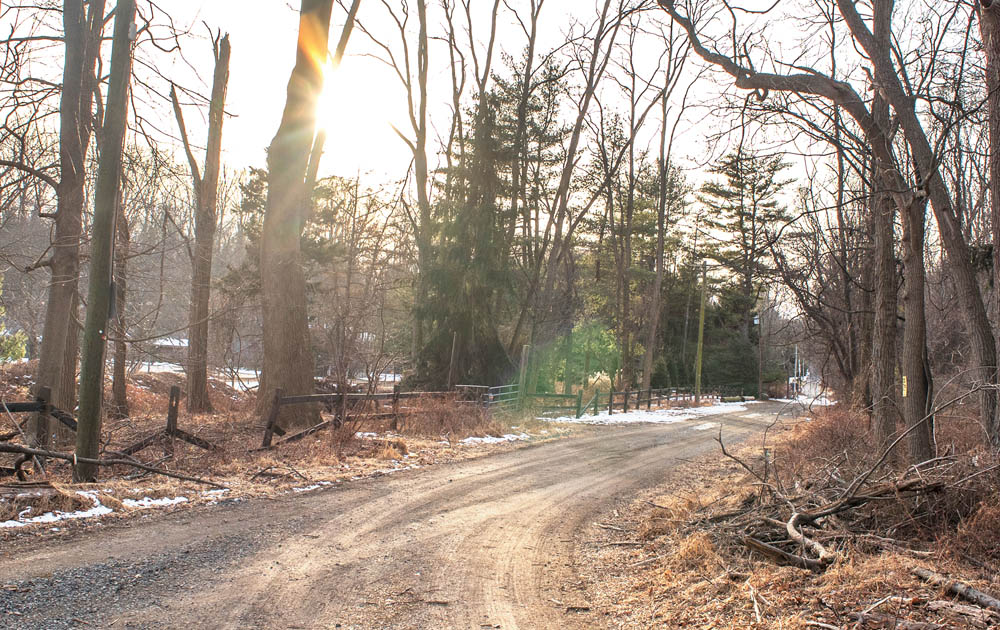
As part of a court-mandated settlement with site owner Adoni Property Group, LLC, the West Nutswamp Road site can be developed with a maximum of 136 units (down from 478), which must be townhomes, not apartments. The settlement also states that 20% of the units must be designated affordable housing. In addition, a property on Red Hill Road, also owned by Adoni, will be donated to the town as open space.
Mayor Tony Perry said he was concerned that noncompliance would lead to additional legal action, putting the township at risk.
The development originally involved two properties, totaling 478 rental units on Red Hill Road and West Nutswamp Road. The township opposed the development from the beginning and has been involved in multiple lawsuits over the past three years, while also enlisting engineers, environmental scientists, and other experts in the hopes of finding any way to stop it.
The township even appealed to both the state Appellate Court and state Supreme Court to allow it to condemn the properties for open space preservation. According to township attorney Brian M. Nelson, Middletown had to file two motions and a lawsuit just to gain entry to the property to allow experts to conduct surveys and studies.
Adoni originally sued Middletown in April 2023, following the township’s rejection of an initial development proposal. The subsequent builder’s remedy lawsuit prompted additional organizations and municipalities to get involved. The nonprofit group Fair Share Housing Center and development group AAMHMT Property joined to support Adoni.
Holmdel Township repeatedly attempted to join the lawsuit with Middletown, as the properties in question sit on the border of the two townships; it did so in October 2024.
Adoni sought to compel the township to allow their development on the basis that the state’s affordable housing requirements were not being met by Middletown. The builder’s remedy suit also led to the court refusing Middletown’s appeals, as properties cannot be condemned when they’re subject to builder’s remedy.
In March 2024, former Gov. Phil Murphy signed significant amendments to the Fair Housing Act that “further increased the township’s affordable housing obligation and expanded the powers of developers against municipalities,” Nelson said. “All legal challenges to that legislation signed by the governor in March 2024 have failed.”
According to a court-appointed Special Master, Middletown had a remaining affordable housing obligation of 602 units to comply with the third round of New Jersey’s Affordable Housing Obligation (1999-2025). The fourth round, from 2025 to 2035, added 346 units.
In May 2025, the court’s Special Adjudicator (formerly Special Master) reported that the site was suitable for only 138 units, a reduction the township said was largely due to reports from its experts and professionals.
While the reduction of units and open space agreement can be considered a win for the township, the remaining West Nutswamp property is still a major source of concern for residents.
Resident Sean McGrath expressed concern about a lack of transparency. The “biggest disappointment is none of us knew,” he said. “We were left in the dark.”
Perry said that until a formal development application is submitted, which has not happened yet, any settlement negotiations cannot be released publicly. When and if an application is submitted to the planning board, all neighboring residences within 200 feet of the three West Nutswamp Road lots will be notified via certified mail. Additionally, Perry encouraged residents to attend planning board meetings. “The best advice I can give you is – all the questions, comments, concerns, feedback you have – absolutely at the time of the planning board meeting is your time to tell them what issues you have.”
Other residents took the opportunity to urge the committee to consider the development’s social and environmental impacts.
“Destroying it (nature) would permanently change the character of the neighborhood,” said resident Sophia Racioppi.
“Protecting this land means protecting the identity of our town,” added her sister Olivia Racioppi.
Residents were not alone in their concerns, as the committee said the townhomes are not only a safety issue, given the steepness of West Nutswamp Road, but residents there would also lack access to public transportation or stores, as required for affordable housing.
Middletown residents continue to protest the development through savewestnutswamp.com, a website that urges residents to “rally to the finish line.”
At the meeting, Perry spoke out on the state mandates on affordable housing, saying the issue of the West Nutswamp Road development “is one of those unfunded mandates and unfair burdens that is placed on municipalities through this Mount Laurel doctrine.”
The Mount Laurel doctrine, enacted in 1975, held that every New Jersey municipality had a constitutional obligation to provide a realistic and fair share of affordable housing.
Perry emphasized that his concern is not with affordable housing itself. The township’s focus is on community-led options that help preserve the integrity of the township while also working to meet state requirements. Perry said the township consistently utilizes its Affordable Housing Trust Fund to make upgrades for income-eligible individuals, as well as regularly partners with Habitat for Humanity to donate foreclosed homes.
He said his concern is more that, “We have a nonprofit organization (Fair Share Housing Center) that has never once walked through the township of Middletown; they probably couldn’t even point to Middletown on a map. And yet they get to decide and dictate to the state of New Jersey what they think, and by what number, and what sites should be and need to be targeted for development.” Perry stressed that the nonprofit is not a government agency.
Perry expressed his anger at a system that doesn’t seem to take municipalities’ needs into account, saying he is “sick and tired” of those who don’t know the town dictating what should be done within the town.
“Every 10 years, the goal post is going to be moved, and moved, and moved, and despite what varsity kicker you have on your team, you are never going to get that extra point because you are never going to satisfy them,” he said.
The article originally appeared in the January 29 – February 4, 2026 print edition of The Two River Times.