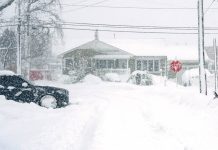
Snow, Salting and Safety Tips in Freezing Temps

By Emily Schopfer
MONMOUTH COUNTY – Between last month’s snowstorm that dropped almost a foot of snow and freezing temperatures reaching the single digits, many New Jerseyans have been left shoveling, shivering and wondering: How do we deal with this?
While winter is unavoidable in New Jersey, planning and preparing for potential damage before it happens is the best way to make these cold months just a bit more bearable.
“Winter in New Jersey presents both distinctive beauty and significant risks,” according to the State of New Jersey Office of Emergency Management (OEM)’s website. “Exposure to wind chills can lead to frostbite, while freezing rain and snow can create driving conditions.”
The OEM warns of power outages, with the primary concern not the cold but carbon monoxide poisoning from improperly ventilated heating during severe winter weather. It advises that winterizing your home before a snowfall is essential: have your heating system inspected, ensure proper insulation of walls, windows and pipes, and have flues checked. Replacing the batteries in carbon monoxide detectors before a storm is also a good idea.
“Seal drafts around doors and windows with caulk or weather stripping,” advised Jersey Central Power & Light (JCP&L) in a recent news release. Another easy tip to keep warm? “Run ceiling fans clockwise at low speed to push warm air down.”
Deaths from carbon monoxide poisoning spike in the winter months. The colorless, odorless gas can quickly cause unconsciousness and even death. In the event of a power outage, JCP&L advises using “only safe sources of alternate heat such as a fireplace, a small well-vented wood or coal stove, or portable [non-electric] space heaters.”
Using generators indoors or a gas oven to heat your home “can cause a deadly buildup of carbon monoxide gas,” warns the OEM.
The thought of losing power in the winter is obviously concerning, especially with recent wind chills dropping temperatures to the single digits. In these temperatures, hypothermia and frostbite complications can occur in less than 30 minutes. The National Weather Service (NWS) advises that to avoid this, residents should stay dry and covered. Layering and covering your head are both key, as “at least half of your body heat is lost if your head is not covered,” according to the NWS.
After the snow stops and power is restored, a new set of problems can arise related to the use of rock salt to de-ice roads. “Road salt can make its way into streams and storm drains or soak directly into the ground, which can negatively impact drinking water supplies, aquatic life, and the environment,” said New Jersey American Water (NJAW) in an advisory sent out to the public Jan. 27.
The biggest piece of advice that American Water offers is simply using only what is needed. “A 12-ounce coffee mug holds about one pound of salt – enough to treat a 20-foot driveway,” the advisory stated.
“Sweep up leftover salt from dry pavement to prevent it from washing into storm drains. Shovel first. Clearing snow before it turns to ice reduces the need for de-icing.”
How much treated rock salt did Monmouth County use in the 2024-2025 winter season? Looks like 27,502 tons, according to Thomas A. Arnone, Monmouth County commissioner director. During last season, the county primarily used “treated rock salt, supplemented by brine as a pretreatment when conditions and forecasts warranted.” In addition to the rock salt, the county applied approximately 235,504 gallons of brine.
Monmouth County uses the “brine pretreatment to reduce overall salt application, which helps lessen impacts on roadside vegetation and nearby water bodies,” Arnone said.
According to the federal Environmental Protection Agency (EPA), a more eco-friendly alternative on the horizon is porous pavement, which “allows standing water to seep through, removing water from roads that would normally go through freeze-thaw periods, thus preventing ice formation on the roads.”
Such alternatives could reduce not just environmental impacts, but the impact on vehicles as well. “Salt is a catalyst in the chemical reaction of water, oxygen and metals that creates rust,” explained Chuck Siebert, president and general manager of Butch’s Lube N’ Wash in Red Bank. “When salt and brine are present, drivers should wash their vehicles as frequently as possible while making sure to add the undercarriage wash to their car wash package. If you drive a lot, you should be washing your car more,” he said.
Siebert also advises running your car for at least 10 to 15 minutes prior to driving when temperatures are below 32 degrees, if possible, but for “at least a minute after starting it, regardless of the time of year or temperature.”
When it comes to protecting your vehicle from the winter elements, prevention is key. “Check your tire tread and replace tires as needed before the winter months approach,” Siebert said. He advises making sure the windshield washer fluid is “rated for 0 degrees or better. Summer-rated windshield washer fluid can freeze inside the reservoir and crack it. Have your windshield wipers checked or replaced before the winter… Have your coolant levels checked and have your battery tested. Extreme temperatures can kill a weak battery easily.”
The article originally appeared in the February 5 – 11, 2026 print edition of The Two River Times.