Experts advise testing, vaccines, boosters and discretionary masking
By Laura D.C. Kolnoski
MONMOUTH COUNTY – COVID-19 rates are currently deemed “high” in 15 of New Jersey’s 21 counties, including Monmouth, and “medium” in the other six, according to figures from the Centers for Disease Control and Prevention reported by the New Jersey Department of Health.
Health professionals continue to stress that vaccination remains the most effective way to prevent contracting COVID-19 and is instrumental in reducing the severity of symptoms if the virus is contracted. Among them is Andrew Lee, M.D., head of infectious diseases at RWJ/Barnabas Health’s Monmouth Medical Center in Long Branch. Beyond Lee’s firsthand work-related experience with how fast the virus spreads, he personally tested positive for COVID-19 after attending a recent holiday party.
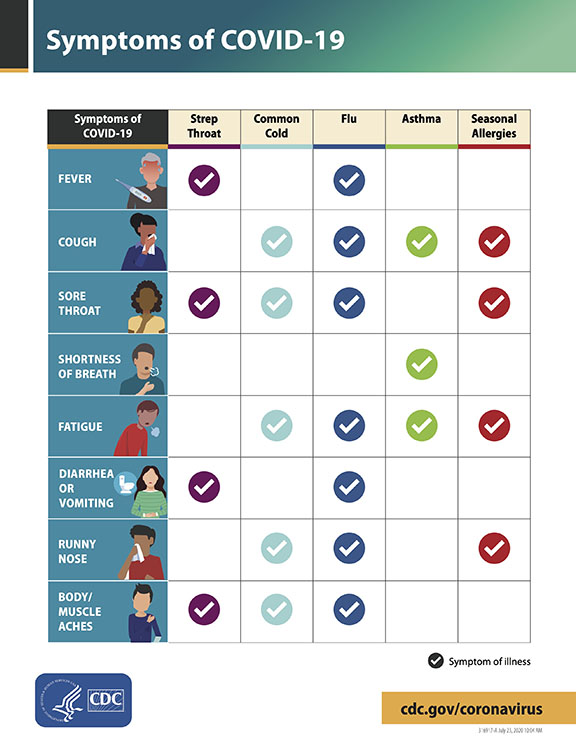
“I had a sore throat and didn’t feel that bad,” he said, noting symptoms can be similar to flu and Respiratory Syncytial Virus (RSV), sometimes confusing patients regarding whether and when to seek treatment. “I believe the vaccine and boosters work. You won’t know what you have unless you take a test. Home tests are easy to obtain and covered by insurance. Even if symptoms are mild, take a test.”
He said RSV cases at Monmouth Medical were more prevalent in the weeks prior to Christmas, with COVID and flu on the rise since then.
Recommendations for residents in high-risk areas are to wear a good quality mask or respirator, avoid indoor public activities, test before visiting compromised individuals and wear a mask while together, improve ventilation, and stay up to date with vaccines and booster shots.
The N.J. Department of Health advises taking these steps to prevent flu and the common cold that will also help prevent coronavirus:
• Wash hands often with soap and water or use hand sanitizer.
• Avoid touching eyes, nose or mouth.
• Avoid contact with people who are sick.
• Stay home if sick and avoid contact with others.
• Cover your mouth and nose with a tissue or sleeve when coughing or sneezing.
• Get flu and COVID-19 vaccines.

Lee, who treats adults, said those he’s seeing hospitalized with COVID are primarily older people with other medical problems, many of whom are not vaccinated. “Everyone should get vaccinated,” he said, “especially if you are immunocompromised, to protect yourself and others.”
With more people now visiting the hospital, staff experienced a COVID-19 outbreak, Lee said, but since many employees are vaccinated, they were able to return to work within a few days. “Fortunately, we have experienced no significant nursing shortage,” he noted.
As 2023 commences, new measures are being taken to confront COVID-19 and its variants. Masks are again required in Patterson, Passaic and Camden public schools. Other districts, including Jersey City, are encouraging testing, and provided students with free test kits prior to holiday vacation.
Beginning Jan. 5, the CDC is requiring a negative COVID-19 test or documentation of recovery for air passengers 2 years and older boarding flights to the United States from China, Hong Kong and Macau. The move is in response to a lifting of restrictions and easing of a zero COVID policy by Chinese officials, resulting in increased cases there. The aim, according to a CDC statement, is “to slow the spread of COVID-19 in the United States during the surge in COVID-19 cases in The People’s Republic of China.” The agency cited “a lack of adequate and transparent epidemiological and viral genomic sequence data being reported” from China which impedes monitoring for variants.
Those passengers will be required to get a PCR test or antigen self-test administered by a telehealth service or a licensed provider and authorized by the Food and Drug Administration no more than two days before their departure and provide a negative test result upon departure regardless of nationality and vaccination status. This also applies to those traveling from the China via third country transit, and to passengers connecting through the United States to further destinations. The CDC will monitor the situation and adjust guidelines as necessary.
The agency noted variants of the SARS-CoV-2 virus continue to emerge worldwide, adding to concerns of escalating cases following the holiday tourist and travel season.
“The vaccine efficacy is not as good in China as it is here and there is no herd immunity,” Lee said. “Many who are sick there are older. We are better prepared.”
Looking long-range, however, Lee said, “This is not going away. I believe it will be a seasonal illness and people will need a booster every year like a flu shot.”
Through January and February, Lee cautions the public to be wary of inside gatherings, be mindful of others, and refrain from contact if feeling ill. Those with medical challenges, undergoing treatments, and/or at high risk should wear masks.
“If getting COVID could happen to me,” he said, “that shows it can happen to anyone.”
For more information, visit nj.gov/health and cdc.gov.
The article originally appeared in the January 5 – 11, 2022 print edition of The Two River Times.