A guide to farm stands, markets and more
By Emily Schopfer
MONMOUTH COUNTY – The weather is finally getting warmer, flowers are beginning to blossom, and farmers market season is here.
You may often hear the term “locally sourced” and not think too much of it, but eating locally grown food has been shown to have significant economic and even health benefits.
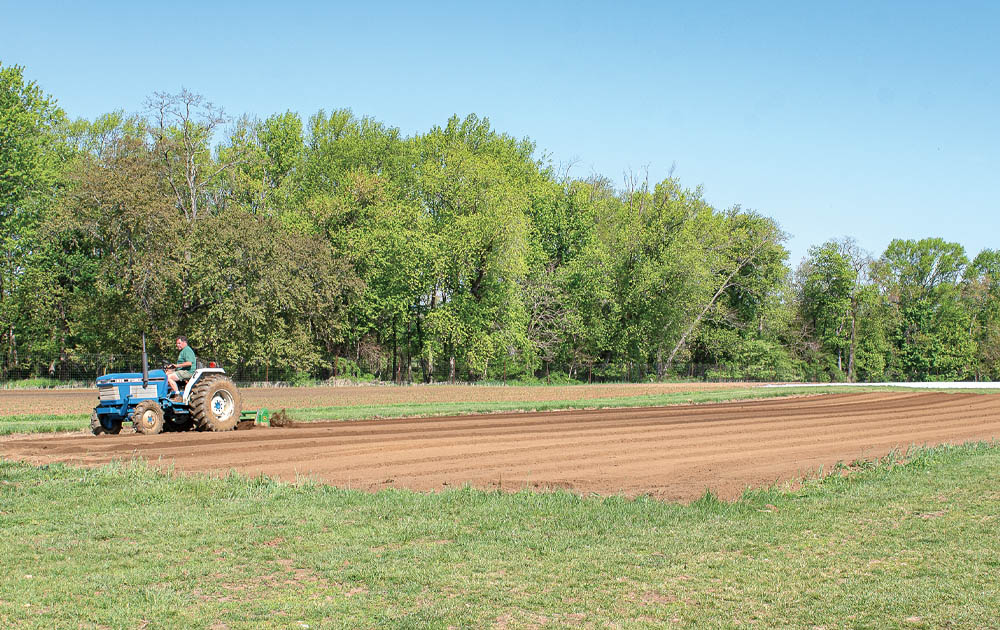
“The first time the produce leaves the farm is in your car,” said Leah McCormack, owner of family-run McCormack Farms in Middletown Township. McCormack Farm’s 30 acres of permanently preserved farmland have been around since the 1880s. (McCormack Farm’s famous farm stand on Tindall Road will reopen from 1 to 6 p.m. Monday through Saturday from the end of July through October.)
“We just try to grow things as naturally as possible,” said McCormack, who runs the farm with her brother William “Bill” McCormack. They don’t use herbicides, pesticides or fungicides. In “rare instances” when products are needed, they only use those certified for organic use, Leah said, adding that it’s more “expensive to grow the way we grow, but it’s also very fresh.”
Several types of herbicides and pesticides, designed to repel insects and other wildlife from produce, can “affect the nervous system. Others may irritate the skin or eyes. Some pesticides may be carcinogens (cancer-causing),” according to the U.S. Environmental Protection Agency.
In addition to the fact that many local farms grow food without pesticides, the time from farm to table for locally grown produce is very quick. Produce is picked and purchased at peak ripeness, ensuring that key nutrients such as magnesium and vitamin C are in higher concentrations.
Monmouth County Commissioner Director Thomas A. Arnone agreed. “Locally grown produce is often fresher, more flavorful, and more nutritious, since it is harvested at peak ripeness and avoids the nutrient loss and preservatives associated with long-distance transportation.”
Local produce is largely supported by local apiaries and beekeepers, such as E&M Gold Beekeepers in Tinton Falls. Mary Kosenski, beekeeper and co-owner, started E&M Gold almost 30 years ago with her husband, and their 2.5-acre honey farm has at times produced up to 5,000 pounds of honey a year. Prior to the 2020 pandemic, the pair used to attend farmers markets, but now patrons can visit the honey farm at 113 Hope Road or online at emgoldbeekeepers.com to purchase locally sourced honey, beeswax products, wedding favors and more.
Not only does choosing local honey support local beekeepers, but it can even help people “build immunity to airborne allergens,” Kosenski said. Since local honey contains traces of regional pollen, it can help build immunity and tolerance for seasonal allergy sufferers.
Supporting local beekeepers means supporting native bee populations, which are essential for maintaining biodiversity and pollinating gardens and crops. When communities support local farms, those farms can support bee populations, which in turn can support the environment around them.
“Monmouth County is home to 931 farms spanning 44,226 acres of farmland, making agriculture a significant part of the local economy,” Arnone said. “According to the Rutgers Cooperative Extension of Monmouth County’s 2025 annual report, Monmouth County ranks No. 1 in New Jersey for horses and similar animals, No. 2 for nursery and greenhouse products as well as livestock and poultry, and No. 7 overall in total agricultural sales.”
New Jersey is among the Top 10 producers nationally of several crops, including tomatoes, which have a production value of over $47 million, according to the New Jersey Agricultural Experiment Station (NJAES) at Rutgers University. The state’s “10,000 farms spread across 750,000 acres” produce more than 100 variations of fruits and vegetables, bringing in an estimated $1.5 billion in revenue annually, the NJAES said.
While New Jersey may be considered “The Garden State,” if you ask Delicious Orchard’s co-owner Michael McDonald and farm manager Karl Menzel, Monmouth County should be called “The Garden County.” Out of the 21 counties in New Jersey, Menzel and McDonald said Monmouth County is the best place for growing produce due to the area’s rich soil, which doesn’t have too much sand or clay.
Delicious Orchards, in Colts Neck, is a store designed to complement the existing farm, which produces everything from sunflowers and corn to radishes and more. When buying locally grown produce, “you don’t have to treat, preserve and pack” as you would for larger operations, McDonald said.
McDonald and Menzel also said that one benefit of choosing local is that local farmers can better cater to their customers’ and the community’s preferences than larger chains can.
“Supporting local farm stands and markets plays an important role in sustaining this industry by helping farms retain clients and keeps money circulating within the local economy,” Arnone said. “Choosing locally grown products also allows consumers to learn directly from growers about how food is produced, harvested, and best prepared, while helping preserve farmland.
“This can and probably should be a development,” McDonald said of the roughly 20 acres of farmland. “We just refuse to quit on it.”
And how about the flavor? The taste and nutrient levels you get when you choose local produce are unmatched, McDonald said, because it’s being picked at peak ripeness.
“It’s grown here; you eat it here.”
Farmers Markets
By Emily Schopfer
Monmouth County has over a dozen farmers markets, farm stands and more to choose from, with many opening this month. Check them out this summer and taste for yourself why New Jersey earns its nickname “The Garden State.”
Atlantic Highlands
From 10 a.m. to 3 p.m. every Friday from May 29 to Sep. 25, stop by Veterans Park on 1st Avenue for fresh local fruit and produce, jellies and breads, handmade body care products and more. Weather permitting; free parking.
Fair Haven
From 9 a.m. to noon every second Saturday through Nov. 14 on the West Side of Willow Street, market lovers can find everything from fresh eggs to local produce to artisan gifts. Last year, over 50 vendors from across the Two River area sold their wares at the market.
Highlands
Every Saturday from 8:30 a.m. to 2 p.m. beginning June 20 through Nov. 21 at Huddy Park, you’ll find produce, flowers, herbs and occasional specialty items such as homemade bread, honey, handmade soaps and more. This is the 32nd year for the borough’s weekly farmers market.
Holmdel
For those who can’t wait for farmers market season to start, you can head over to Bell Works, where you can find a farmers and makers market from 11 a.m. to 4 p.m. every Wednesday in the main atrium.
Red Bank
Every Sunday from 9 a.m. to 2 p.m. through Nov. 22, you’ll find over 40 vendors and 1,000 attendees exploring produce from local farmers, unique crafts and more in the parking lot of the Galleria.
Monmouth Beach
Every Saturday from 9:30 a.m. to 1:30 p.m. beginning May 24 through Sept. 6, be sure to stop by borough hall on Beach Road and check out Monmouth Beach’s farmers market.
The article originally appeared in the May 21 – 27, 2026 print edition of The Two River Times.