By Stephen Appezzato
RED BANK – Financial troubles afflicting the Cedar Crossing affordable housing development have made it almost impossible for homeowners to sell their units to those seeking housing.
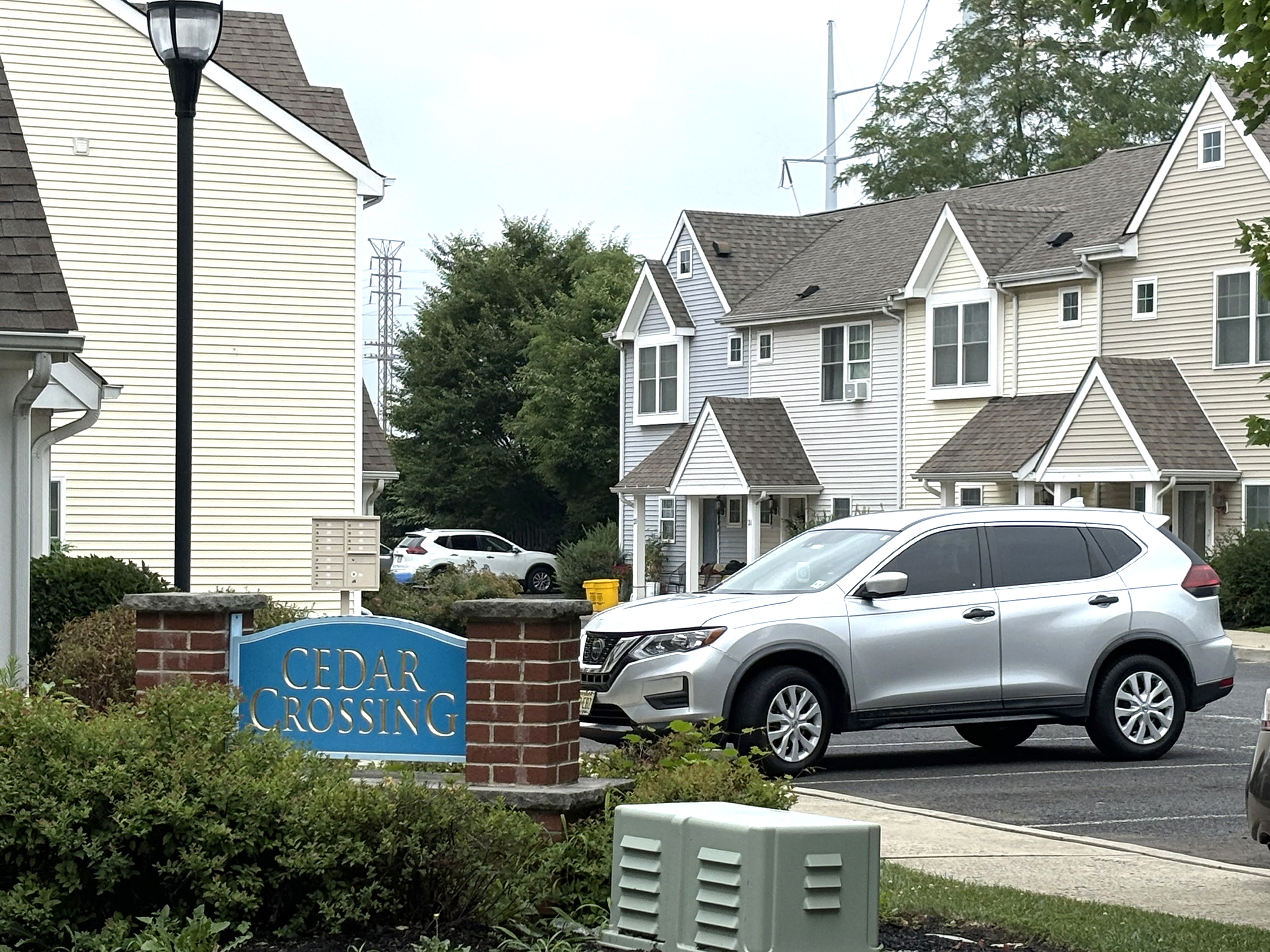
Located on Cedar Street on the West Side of the borough, Cedar Crossing offers 36 affordable units and was a significant step toward providing affordable options in the borough when it was built in 2012. The development was made possible through a partnership among the borough, the nonprofit Red Bank Affordable Housing Corporation and Red Bank Housing Authority (RBHA), and is the only 100% affordable housing condominium development in the state.
Now, due to the development’s financial troubles, residents who are ready to move on and sell their condo to someone in need face challenges.
“It is an issue affecting the whole community,” resident Nathalia Schmidt-Muller said. Schmidt-Muller’s husband Michael purchased a condo at the development in 2016 through a state program designed to assist low-income families. Over time, the couple’s financial circumstances changed and they are now interested in selling their home.
“Now we’re in a good position that we don’t need to live here anymore, and I feel for people who actually need this kind of project because our house could benefit someone else that actually needs it,” Schmidt-Muller said. “Despite our best efforts, we find ourselves trapped due to circumstances beyond our control.”
According to the New Jersey Housing and Mortgage Finance Agency (NJHMFA), which provides funding for housing assistance programs in the state, the issue arises from Cedar Crossing’s delinquency rate. The delinquency rate is determined by how many homeowners are in arrears on their mortgage or monthly condo association dues. If the rate is too high on a development, buyers can’t qualify for conventional Fannie Mae and Freddie Mac mortgages on units there.
Under Freddie Mac criteria, to be approved, no more than 15% of a condominium development’s units can be 60 or more days delinquent in HOA payments.
“As far as I know, the condo association doesn’t have money to maintain the property, and people are not paying, apparently,” Schmidt-Muller said.
Lisa Richardson, executive director of the RBHA, which manages Cedar Crossing, confirmed that the development has had “a continued issue” with timely payments, which has caused “financial and operational challenges.” Richardson added the RBHA continues to serve proper legal notices to delinquent homeowners and “remains open to amicably resolving any arrears so long as it is in the best interest of the Cedar Crossing community.”
Minutes from the Cedar Crossing Board of Trustees’ October 2023 meeting indicate as many as 10 homeowners may have been in arrears for monthly association dues at the time, which can cause a lack of reserve funds and potential debt. Like the Schmidt-Mullers, multiple residents at the meeting discussed concerns that their homes could not be sold.
A NJHMFA representative also noted Cedar Crossing is ineligible for financing from the Federal Housing Administration, the U.S. Department of Veterans Affairs and the Department of Agriculture, eliminating many of the avenues low-income families and individuals use to secure mortgages.
“These two factors leave limited financing options for potential buyers. Under these circumstances, there are likely to be challenges for buyers seeking to access these units,” the representative said in a statement.
In a letter from the NJHMFA to Schmidt-Muller in 2023, the couple was informed that only cash buyers were eligible to purchase their unit, which could be sold for up to $136,244 – a large sum for a low-income family to have on hand.
The agency later wrote in a statement to The Two River Times that this is not a blanket rule in New Jersey and that interested buyers are encouraged to seek financing that does not meet conventional mortgage lender criteria, such as non-warrantable condo mortgages or alternative lending options, like a specialty portfolio mortgage from a credit union. Despite this, residents still face challenges trying to leave Cedar Crossing.
Schmidt-Muller said the NJHMFA is “not helpful” in guiding this process.
“You call for assistance, (and) they’re like, ‘Oh, we’re not sure, we don’t know.’ It’s a lot of uncertainty,” she said. Seeking affordable housing in New Jersey is already a challenge for many. Those interested must qualify under county-based income limits and be approved for a housing lottery system or long waitlist for a scarcity of housing. Additionally, many towns in the Two River area have not yet met their state-mandated “fair share” of affordable homes due to a range of issues.
While Cedar Crossing’s financial troubles have been prolonged, recently officials have begun tackling the issue. According to minutes from the Red Bank Housing Authority’s May 14 meeting, the development’s board of trustees established a new budget last December to finally build up its reserve – an important precaution. The community’s board of trustees also increased monthly dues from $150 to $175.
The Red Bank Housing Authority oversees Cedar Crossing and two other affordable housing developments, Evergreen Terrace and Montgomery Terrace.
“My husband and I fully appreciate the purpose of affordable housing and believe it should serve those who truly need it. However, we now find ourselves occupying a spot that could benefit a family in genuine need,” Schmidt-Muller said.
According to the couple, local and state officials are aware of the issue affecting Cedar Crossing. However, until the development can become Fannie May- or Freddie Mac-compliant, homeowners will have difficulty selling their condos.
The article originally appeared in the July 25 – July 31, 2024 print edition of The Two River Times.