By Stephen Appezzato
NEW JERSEY – Last week, officials announced a large federal funding package for NJ Transit and Amtrak. The package, they say, will contribute to needed improvements to aging infrastructure that may have led to vast train delays this summer.
According to U.S. Rep. Frank Pallone’s (D-6) office, $112 million in transportation grants will help overhaul key rail infrastructure along New Jersey’s Northeast Corridor, one of the country’s most high-traffic commuter rail lines.
In a release, Pallone said the investment “is a victory for New Jersey commuters who have endured years of frustration due to outdated infrastructure.”
Within the funding package, $80 million is earmarked for upgrades to the Kearny substation, while $18.6 million is set aside for signal system upgrades between New Brunswick and Elizabeth. Notably, $13.4 million will also contribute to catenary modernization across a 23-mile route in North Jersey, which some say may have caused vast service delays and cancellations, leaving commuters traveling to and from New York City temporarily stranded this summer.
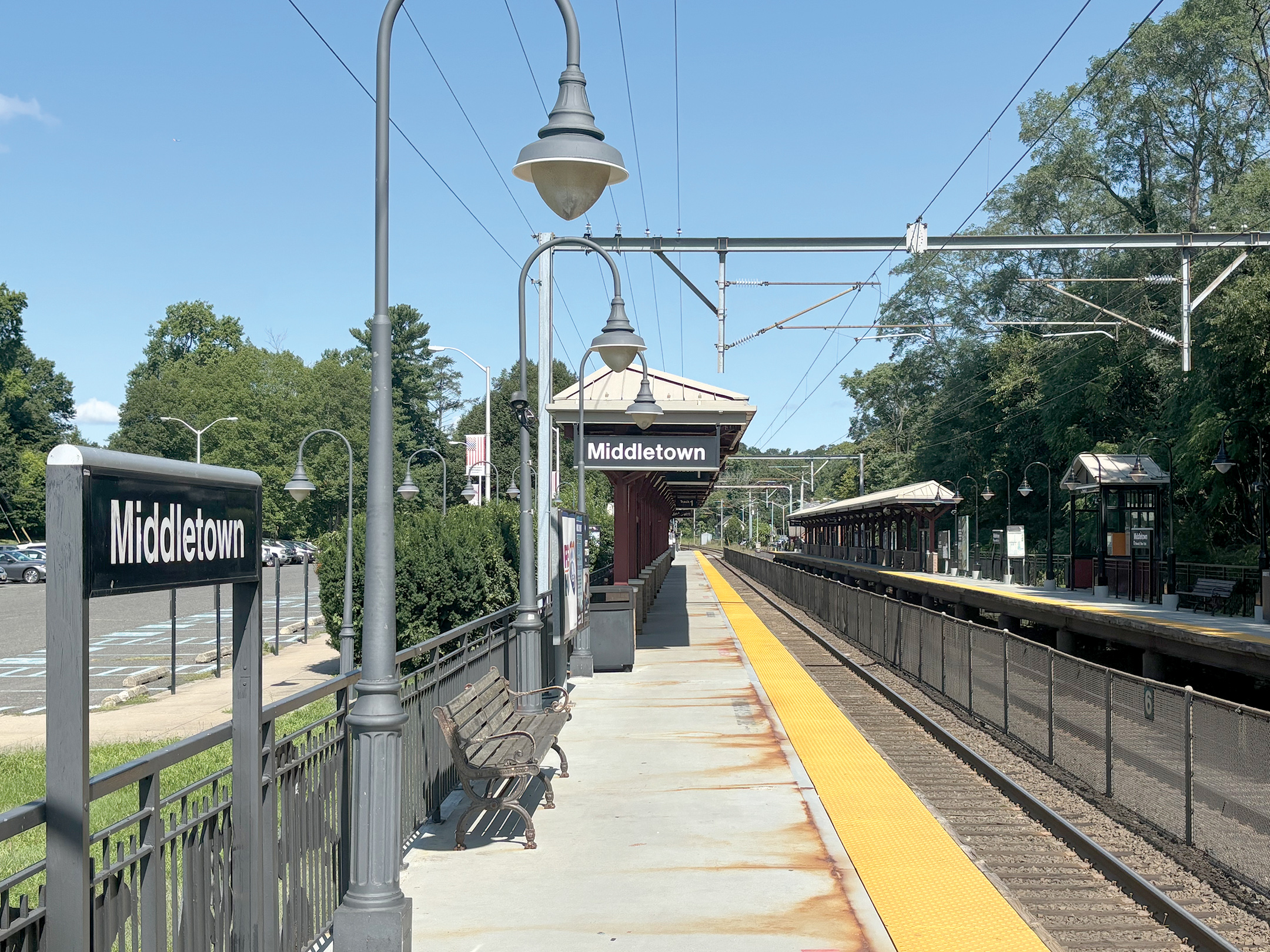
The catenary system is the network of overhead wires along railway tracks that supplies power to trains. Amtrak owns this system along the Northeast Corridor, while NJ Transit makes payments to operate commuter trains along the route and provides otherfunding to contribute to infrastructure and station improvements.
According to Amtrak, the catenary system in some areas dates back to the 1930s, while others are from the 2000s. Some attribute this summer’s vast delays to these wires sagging due to extreme heat, although an Amtrak spokesperson said the root cause is still being investigated.
In a statement, Amtrak said the wiring project will “improve reliability for Amtrak and NJ TRANSIT customers.”
The improvements are expected to “unlock major bottlenecks on the busiest passenger railroad in America,” Amtrak shared.
The recent Department of Transportation grants are part of a larger $229 million package awarded to Amtrak to further 13 projects, including a plan to expand New York Penn Station’s capacity to double passenger train service between New York and New Jersey and replacement of the Sawtooth Bridges in Kearny, which are 115 years old. These bridges carry more than 400 trains each day, across NJ Transit, PATH and Conrail freight trains. When all is said and done, the new bridges will double track capacity in “one of the most congested and complex locations on the NEC,” where these services intersect.
According to Pallone’s office, the funding will reduce service disruptions and improve train speeds and reliability for daily commuters.
“Upgrading signals and catenary wires will deliver safer, faster, and more reliable train service. This funding is the result of sustained efforts by our congressional delegation, including direct calls, site tours, and pushing for federal investment to modernize our rail system. I’ll continue to push for improvements that benefit our state’s commuters and economy,” Pallone stated.
In a statement to The Two River Times, an NJ Transit spokesperson said the grants supporting critical Amtrak work to modernize the antiquated infrastructure on the Northeast Corridor, as well as the funding for the expansion and reconstruction of Penn Station New York are “vital to restoring service reliability on the country’s busiest rail corridor and improving the customer experience for generations to come.”
In addition to these upgrades, last month state officials unveiled a new fleet of NJ Transit railcars that will replace the provider’s more than 40-year-old single-level cars.
According to NJ Transit, the addition of 174 new cars, with a maximum speed of 110 miles per hour and outfitted with new customer amenities – like USB charging ports – will expand access to reliable and comfortable transportation for commuters and improve service reliability. The new Multilevel III Power Car fleet, which is supported by $567.5 million in federal funds, consists of Electric Multiple Units that are self-propelled, do not require a separate locomotive and the first of their kind in North America. These cars are expected to be put into service mid-next year.
The article originally appeared in the November 21 – November 27, 2024 print edition of The Two River Times.