By Aliyah Feeney
Imagine being confined to a cramped 5-by-5-foot kennel for 22 hours a day, unsure if you’ll ever feel the warmth of a loving home again. “In the shelter, dogs are kept in their space nearly 22 hours a day, which eventually can start to deteriorate a dog’s mental status,” says Samantha Burst, customer service and outreach events coordinator for the Associated Humane Societies (AHS) in Tinton Falls.
For countless animals in shelters, this is their reality – a waiting game filled with uncertainty, clinging to the hope that they’ll be one of the lucky ones to find a family to call their own.
While adoption is the ultimate goal for any sheltered pet, fostering plays a crucial role in bridging the gap between shelter life and a forever home. This system acts as a temporary home for shelter animals with individuals or families until they find a permanent home. Pets are provided with a safe, loving environment outside of the shelter, helping them adjust to home life, socialize and become more adoptable.
One of the key advantages of fostering is that it not only benefits the animal being fostered but also creates space for others still waiting in the shelter.
“When an animal goes to foster, it frees up a cage at the shelter,” Burst explained. “It gives that animal the chance to have a home environment.”
“Animals require stimulation, socialization, and enrichment to remain adoptable,” said Burst. In shelters, animals are typically kept in individual kennels for most of the day.
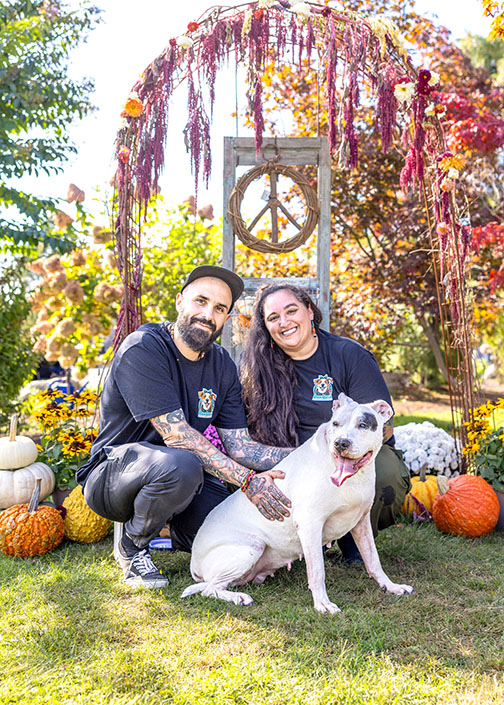
Fostering can offer a very different experience. Foster families form such a strong bond with their temporary companions they decide to make the arrangement permanent. Lindsay Sanator, media and marketing manager for the Monmouth County SPCA, describes this as a “foster fail,” a term that may sound negative but, in reality, represents a happy ending.
“The foster family offers to care for the animal, but when the animal is returned to the shelter, the fosters can’t help but come back and make an adoption,” Sanator said.
Fostering isn’t necessarily easy but it can be extremely rewarding. And the organizations are there to help every step of the way.
Fostering is generally not short-term care. While temporary fostering can be helpful, open-intake shelters often need longer commitments to truly make an impact.
“A lot of people inquire about temporary fostering, which does help sometimes,” said Burst. “However, as an open-intake shelter, an open kennel means it can get filled quickly with another dog. We are typically looking for fosters who are able to commit to keeping the dog out of the shelter until they find their forever homes.”
Another hesitation potential fosters often have is the belief that they will be financially responsible for supplies and care.
“People may think fostering comes as a cost,” said Sanator, but the MCSPCA supplies “everything from medical care to food to toys.”
Both the MCSPCA and the AHS offer strong support systems that make fostering straightforward and stress-free for those willing to open their homes.
“Anytime someone fosters, we have them covered from start to finish” said Sanator.
“If they (the animals) need behavioral support, training, or basic stuff, we are there to help.”
Burst echoes that commitment. “Our staff is always here to help with placement of foster animals. Any animal in foster will receive food and any other supplies needed directly from the shelter. We also have a certified trainer on staff who is always available to answer questions and give tips on behavior.”
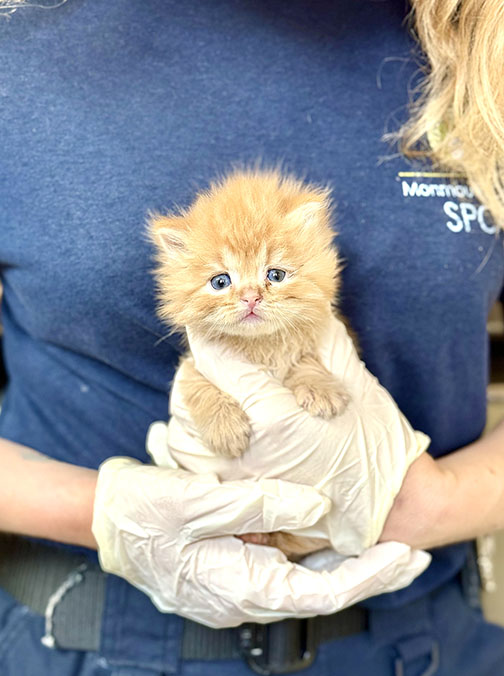
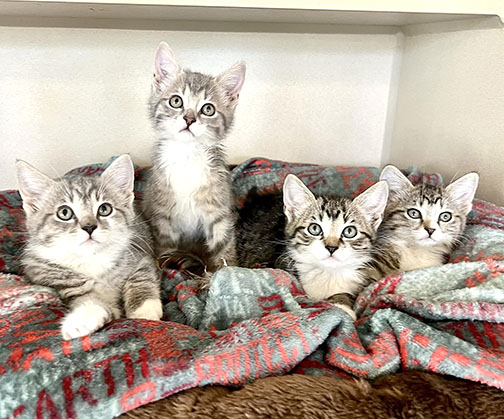
It isn’t just dogs who need fostering, either. Sanator said the MCSPCA’s kitten fostering program is critical to the organization. “Right around this time, through the fall, we’ll take in over 1,000 kittens who need care. Many of the kittens are neonatal (newborn) and need specialized care from our veteran fosters,” she said. They also have what she called “ ‘beginner’ kittens who just need a few weeks to gain weight or to be socialized.”
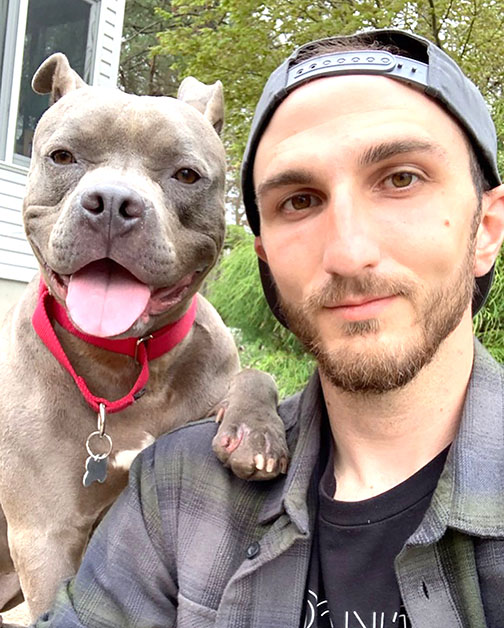
To highlight just how meaningful fostering can be – even in the most challenging situations – Burst shared a personal story that speaks to the heart of why fostering matters. She fosters Rio, a 10-year-old, 90-pound bully mix, who entered the shelter riddled with mammary tumors. “She received surgery, her biopsies were all malignant, and her prognosis was not good,” Burst said. “Our vet recommended we search for a hospice home where she could live out her remaining time outside of the kennel and in a home, so I immediately volunteered to take her home. Now, a year later, Rio is happy, healthy-ish, and an overall joy to have in our home.”
Foster families often describe the experience as life-changing – not just for the animals.
“Fostering has been such a rewarding experience for us!” said Whitney R., a hospice foster with AHS. “We were able to welcome a pup into our home, give her a great life and have support of the Humane Society for anything we need. It’s been such a joy to see our foster blossom.”
Stories like these are not uncommon.
“Just this past October we hosted a large fundraiser at a local business, where a family met a dog and inquired about fostering her. They were able to pull her from the kennel, foster her in their home, and ended up finding her forever home with their next-door neighbor,” said Burst.
Is Fostering Right for You?
If you are feeling inspired to foster but have questions, including if it’s difficult to say goodbye after forming such a strong bond with an animal, getting started is easier than you may think.
At the MCSPCA, potential foster families fill out a questionnaire and submit to a home visit, Sanator said. There is a similar process at the AHS.
Fostering may start as a temporary act of kindness, but its impact can last a lifetime, for both the animal and the caregiver. By opening your home, you’re not just giving a pet a second chance, you’re becoming a vital part of their journey to a forever home.
For those looking to learn more or get involved, the organizations host monthly events across Monmouth County. These events offer the perfect opportunity to meet animals, ask questions, and connect with the fostering community.
More information is available on the organizations’ official websites at AHScares.org and monmouthcountyspca.org.
The article originally appeared in the April 10 – 16, 2025 print edition of The Two River Times.