By Jody Sackett
Oceans are always the star of summertime. But are our oceans and waterways healthy?
“It’s a complicated question because there’s so many aspects,” explained Pete Rowe, executive director of NJ Sea Grant Consortium. While some problems have improved, others have emerged, Rowe said.
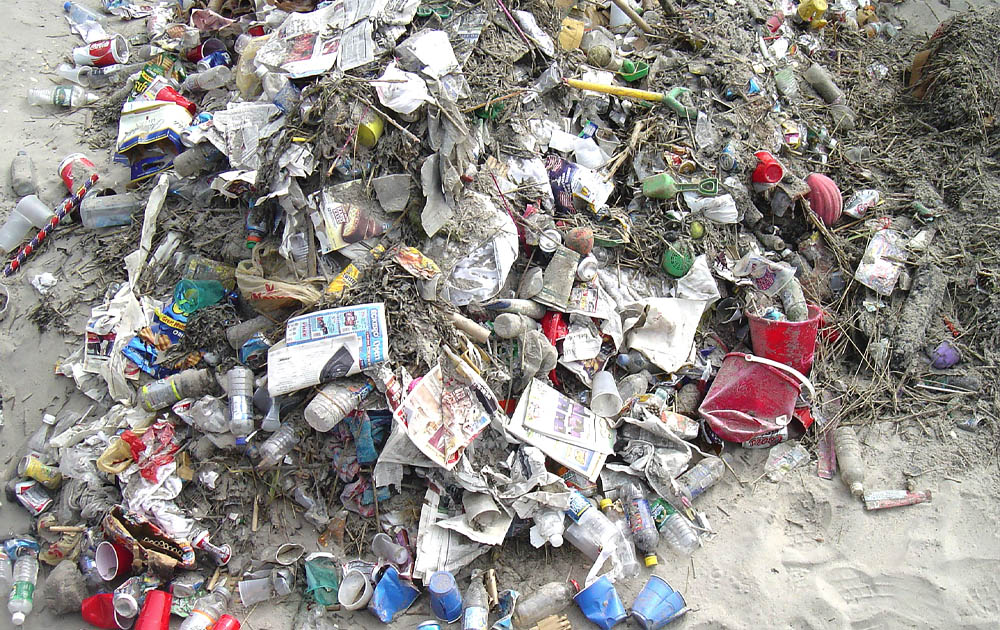
Jersey Shore old-timers may recall the infamous “Syringe Tide” of the late 1980s, when excessive medical waste washed ashore and led to many beach closures. They may also remember oil spills generating disgusting tar balls that littered the shore and clung to the feet of swimmers already navigating floating trash.
Fast-forward to today, when the ocean and estuaries are now clean enough to support the return of beloved winter harbor seals to the Jersey coast.
When the coastal areas were settled by Europeans in the 1600s, they were pristine: abundant healthy marshes full of oysters lined the coast, which filtered the water to remove excess sediment and nitrogen. Through the 1800s, this helped keep the ecosystem so clean that visitors came to the area for the healthy sea air and water. New railroads and highways in the 1900s started bringing day-trippers from stifling cities who loved the cool beaches, boardwalks, and saltwater taffy. Ocean resorts thrived.
Over time, expanding populations and manufacturing in the Industrial Age produced greater volumes of untreated sewage and chemical waste, which were conveniently dumped into nearby oceans and tributaries. Eventually, sediment filled the marshes, while oyster beds became contaminated and oysters became unsafe for human consumption. High nutrient levels sometimes caused low oxygen levels and fish kills. With decreasing natural cleansing and increasing waste, the water quality and ecosystem productivity declined.
However, the oceans were still irresistible, and beaches and resorts remained enormously popular vacation destinations. But the time bomb was ticking.
Crisis-level degradation arrived late in the 20th century. The New Jersey and New York coastal area had eight official ocean disposal sites that received such pollutants as dredged sediments often contaminated with heavy metals, semi-treated sewage from treatment plants, sulfuric acid waste from refining industries, chemical waste, military munitions waste, and even low-level radioactive waste containers. The ecological damage was significant and caused large underwater “dead zones.”
So much garbage washed up on the beaches that a new way to measure coastal degradation evolved – the “Tampon Index.”
Perhaps most memorable was the enormous amount of medical waste littering the beaches – used needles, bandages, blood vials and more. Beaches closed due to trash and elevated fecal bacteria levels resulting from inadequate sewage treatment and stormwater runoff.
But “it’s the power of the people that brings transformative changes,” Cindy Zipf, executive director of Clean Ocean Action (COA), reminds us.
Public awareness of ocean contamination led to the passage of the landmark federal Clean Water Act (CWA) and the Marine Protection, Research and Sanctuaries Act (MPRSA, aka the Ocean Dumping Act). These groundbreaking laws mandated improvements in waste treatment, pollutant handling and disposal. Ocean dump sites were closed. Medical waste was controlled under the 1988 federal Medical Waste Tracking Act and later by states. The CWA upgraded sewage treatment plants with effective new technology and required them to operate under strict permit limitations with penalties for violations.
The Fresh Kills Landfill in Staten Island, which contributed to the trash problems, finally closed in 2001; it had received tons of garbage each day for decades and was the largest landfill in the world.
The coastal waters got healthier.
Compared to the hot mess of the last century, the oceans are in better shape today, and water quality has improved. Public support for clean oceans has led to improved monitoring and awareness. Yet human activity remains the dominant influence on ocean health in this millennium, with threats from plastics, climate change, excessive nutrients and more.
This is the first of a two-part series examining the health of our oceans. Next week, we’ll look at how individuals and organizations are helping improve the quality of the coast.
The article originally appeared in the May 14 – 20, 2026 print edition of The Two River Times.