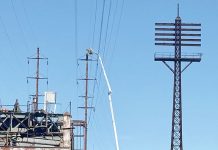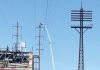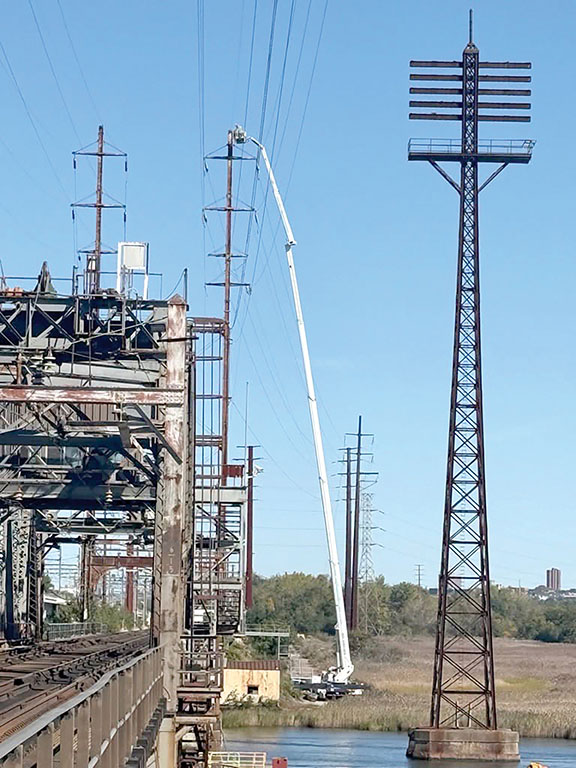
NJ Transit customers can expect modified train schedules due to construction of the Portal North Bridge project. Changes started Oct. 11 and are expected to continue through Nov. 14. Courtesy NJ Transit
By Emily Schopfer
MONMOUTH COUNTY – New Jersey Transit riders face travel disruptions and adjusted train schedules as the new Portal North Bridge project enters its final construction phase. Modified rail schedules continue until around Nov. 14. Weekday commuters heading north to Newark, Hoboken or New York can expect to be most impacted due to the single-track operation.
As of Oct. 9, NJ Transit, in partnership with Amtrak, began transferring the final track from the 116-year-old Portal Bridge, which connects Kearny and Secaucus, to the new Portal North Bridge, according to an NJ Transit news release last month.
Area Impact
“While the transfer, or ‘cutover,’ of Amtrak-owned wires and electrical systems will ultimately deliver substantial benefits, it means customers on all rail lines except the Atlantic City Rail Line will experience temporary adjustments to rail service,” according to the release. The changes began Sunday, Oct. 11.
Portal North construction will primarily impact the Northeast Corridor rail line, which is not the primary line serving the Two River area. The North Jersey Coast Line serves Monmouth County, including towns such as Middletown, Red Bank and Little Silver.
For some rail lines, such as weekday Midtown Direct trains on the Morristown, Gladstone and Montclair-Boonton lines, passengers will be dropped at the Hoboken Terminal instead of New York Penn Station. Luckily for North Jersey Coast Line riders, trips are not expected to be as heavily impacted. However, this final construction phase could still impact the weekday travel and commuting schedules for Two River residents heading to Newark, Hoboken and New York via Penn Station. The adjusted schedules and options for alternative public transportation can be viewed at njtransit.com/portalcutover.
Project Background
The original Portal Bridge, which connects Kearny and Secaucus over the Hackensack River, was built in November 1910 by the Pennsylvania Railroad.
“Prior to the COVID-19 pandemic, the bridge carried more than 450 daily Amtrak and NJ Transit trains and 200,000 daily passengers over the Hackensack River – a critical link in the congested territory between Newark, New Jersey and Penn Station, New York,” according to the NJ Transit Portal North webpage.
The Portal Bridge’s moveable drawbridge eventually malfunctioned due to its age, causing frequent delays. The replacement bridge, now called Portal North, will not open and close like its predecessor.
“A two-track replacement bridge – Portal North – will replace this outdated relic with a modern, high-level fixed span that does not open or close, eliminating the movable components and risk of malfunction,” NJ Transit explained.
The new Portal North will rise 50 feet above the river and span nearly 2.5 miles of the Northeast Corridor Rail Line, which serves major stations such as Trenton Transit Center, Newark Airport, and New York Penn Station.
The project started five years ago when the NJ Transit Board of Directors approved a nearly $1.56 billion construction contract in October 2021. This contract, with Skanska/Traylor Bros. Joint Venture, is “the largest award in NJ Transit’s history (and) includes construction of retaining walls, deep foundations, concrete piers, structural steel bridge spans, rail systems, demolition of the existing bridge, and related incidental works,” according to the NJ Transit website.
The project is funded through “a mix of federal and state funding” by the U.S. Department of Transportation, New Jersey, New York, and Amtrak, according to statements made by NJ Transit in February. In January 2021, former Gov. Phil Murphy announced the signing of a Full Funding Grant Agreement that secured $766.5 million in Federal Transit Administration funding to support the project’s construction, according to the website.
This article originally appeared in the October 22-28, 2026 print edition of The Two River Times.