By Sunayana Prabhu
Have you been listening to your heart lately? If not, it might be helpful – perhaps lifesaving – to start.
The American Heart Association continues to publish statistics showing an upward trend in the number of people diagnosed with cardiovascular diseases in the country. Just prior to the start of National Heart Health Awareness Month in February, The Two River Times spoke with area leaders in cardiovascular treatment to get the latest on how you can reduce your risks for heart disease, medical innovations to prevent risks and advanced care options.
Lifestyle, age, family history, smoking and several health conditions such as high blood pressure, diabetes, obesity and high cholesterol are what Brett Sealove, M.D., chief of cardiology at Jersey Shore University Medical Center, calls “traditional risk factors that continue to climb globally, but also in the U.S.”
Most experts believe that about a decade or so ago, with obesity rates on the rise, risk factors – predominantly insulin resistance, diabetes, high blood pressure and inactivity – exponentially increased.
“Up to 70 to 80% of heart disease is preventable,” Sealove said.
Although genetic predispositions are not changeable, “You want to modify as many of those risk factors as you can,” said Sealove, noting that some of the risk factors, like high cholesterol, can be controlled with medication.
Prevention is the best cure in terms of heart disease. Sealove recommended an all-inclusive approach to preventing risk factors before they become a problem, which means managing blood pressure, knowing sugar levels, checking cholesterol levels regularly, making dietary and lifestyle changes to maintain a healthy weight, keeping stress levels low and having a healthy sleep cycle, among others. The ideal life!
Not everyone can manage it all, but Sealove is optimistic. “People are not doomed for heart disease if they have a predetermined risk but it does take a lot of insight from the patient to eventually get to the doctor and work as a collaborative team in order to fulfill that goal,” he said, urging patients to be conscious of their hearts.
Notice “the three Ps,” said Scott Eisenberg, an interventional cardiologist at Robert Wood Johnson’s Monmouth Medical Center. Putting it succinctly, Eisenberg said, “Anything that’s ‘profound,’ anything that’s ‘persistent’ and anything that’s ‘prolonged’ is cause to pick up the phone… (or) to go to the emergency room.”
Symptoms Differ in
Men And Women
There is a difference of “galaxies” between how men and women experience symptoms of heart disease, Eisenberg said.
While men might present symptoms ranging from pain, pressure, heaviness, tightness, tiredness and shortness of breath, women are “three times more likely” to get heartburn, indigestion, nausea, back pain, neck pain, shoulder pain, dizziness and tiredness, among other symptoms.
Interestingly, he noted, mostly, women “generally get a warning six months ahead of time before something bad is going to happen, whereas men tend not to.”
Additionally, often the whole artery is involved in women, Eisenberg said; in men, there tends to be one focus spot.
Both Sealove and Eisenberg also said women tend to develop heart disease more slowly which could be because of “native estrogen” in premenopausal women.
Even so, the Centers for Disease Control says, “Heart disease is the leading cause of death for women in the United States and can affect women at any age. In 2021, it was responsible for the deaths of 310,661 women – or about 1 in every 5 female deaths.”
Cardiologists insist keeping a check on your heart and general wellness – from mental health to physical health, such as vital statistics and blood pressure – is essential.
Screenings
While talking to a physician is the first step; patients who have a predisposition can find tremendous value in asking their physician about the modifiable risks and how to live a healthy, fruitful life.
Experts often recommend early screenings, like stress testing, CAT scans, angiograms and ultrasounds, for those who are worried they may have elevated risk factors or any symptoms of heart disease.
There are different screening programs that one should opt for to avoid invasive procedures, said Sealove.
“It’s about the investment early, early on,” he said.
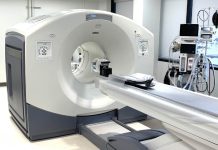
Angioscreen is one of the early screenings for heart disease. However, it may not be enough. Additional noninvasive or minimally invasive techniques that can be used to screen for heart disease include coronary calcium scoring, which involves CT scans of the heart.
Eisenberg said coronary calcium scoring can be “absolutely lifesaving” for women between the ages of 40 to 70 who have family history and predetermined conditions like high cholesterol, high blood sugar or prediabetes, or if one is overweight, has hypertension or high blood pressure. Most of the area hospitals and a number of private imaging centers in the Two River area offer these screenings.
A more invasive screening would be a cardiac catheterization, which can evaluate and confirm the presence of coronary artery disease, valve disease or disease of the aorta through biopsies on tiny pieces of extracted tissue from the patient’s heart.
Advances and Innovation
Hackensack Meridian Health Jersey Shore University Hospital has invested in a $45 million dollar infrastructure project, adding an entire floor to the hospital with 10 suites offering the newest technology and the newest advances in heart health care. The infrastructure will allow minimally invasive procedures – at the only facility of its kind in Monmouth and Ocean counties. “We’re putting a small needle in your groin and replacing a heart valve, replacing an aortic valve, fixing a mitral valve, closing up holes in the heart,” said Sealove.
Besides infrastructure and technological advances, some new drugs may be revolutionizing how physicians manage heart disease.
Drugs considered safe for maintaining heart health, such as baby aspirin, are “not really for those who do not have established heart or vascular disease or a diabetic,” Sealove said.
There are newer medical therapies that are dramatically changing the landscape of heart disease. Injectable cholesterol compounds and anti-obesity medications like semiglutide (Ozempic, Wegovy and Rybelsus) which are often prescribed for patients with type 2 diabetes but more famous lately for celebrity weight loss, have also been shown to reduce risk factors. “The problem is that they’re married to that medication for life,” Eisenberg noted. If these injections are abruptly stopped, any major losses in weight and lowering of blood pressure and sugar “will, just like a slingshot, snap back,” he said.
As helpful as these new medications can be for many, the process to prevent heart disease can be distilled to a simple message, said Eisenberg: “Eat smart, eat less and move more.”
“The right nutritional pathway, the right exercise program” are important, he said. “If you don’t do that, you can’t just take a medication and hope that everything will be fine.”
This article originally appeared in the February 1 – 7, 2024 print edition of The Two River Times.