By Stephen Appezzato
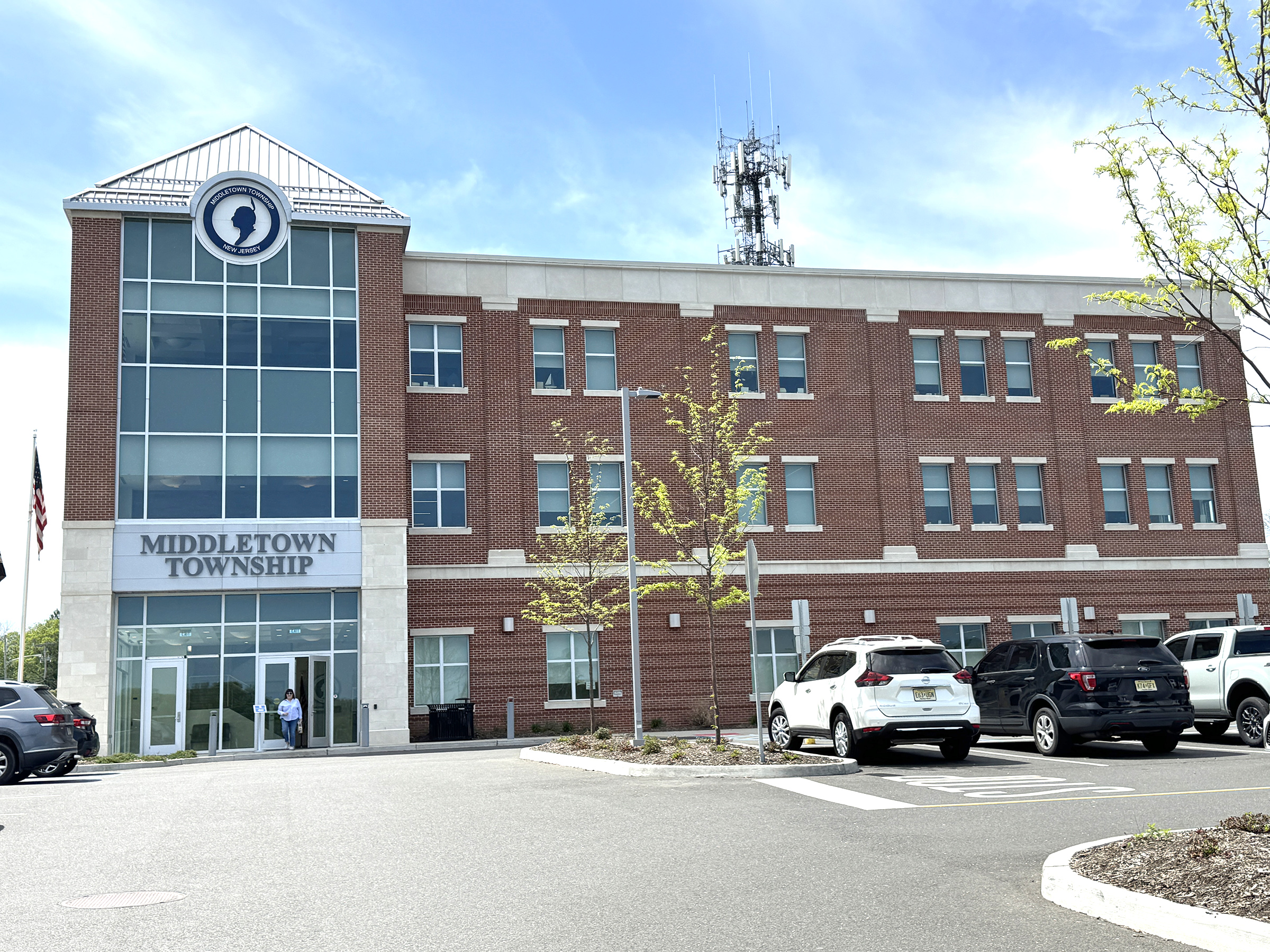
MIDDLETOWN – On Monday night, officials introduced the township’s approximately $102 million 2025 municipal budget. Of that, $65.7 million will be funded from local tax revenue.
According to Middletown Township CFO Colleen Lapp, who provided an overview of the budget at this week’s township committee meeting, the proposed budget is approximately $2.5 million, or 3.99%, larger than last year’s. And while the municipal tax rate is expected to decrease due to rising home values, property owners will still see an increase in the amount they pay.
“We have a 7% lower (municipal) tax rate” this year, township committee member Kevin Settembrino said.
“When you have that change, in terms of the tax rate going down, it just means that this budget continues to be as tight as it can be and we keep in mind all the taxpayers of the township to make it as efficient as possible,” he said.
“Our average assessed residential home this year is $728,000 and change,” Lapp said, a number that has increased “exponentially over the years.” In 2020, the average home value in Middletown was about $447,000 or 63% lower than in 2025.
If the township committee adopts the proposed budget, the estimated monthly municipal tax for an average assessed home will still increase by $8.03 due to higher property values, despite the township’s decreasing collection rate.
“Inflation hits our budgets as well. We feel the same kind of cost risers, everything that goes up in price goes up in price for us,” Lapp said.
According to Lapp, while inflation has risen by over 23% in the last five years, the township’s budget has gone up a little over 15%, which is 8% less than the national average.
“We’re always well aware that that’s difficult for everybody, so we try our best in areas that we can to contain or reduce cost to try and offset things like that,” she said.
Cost Drivers
Alongside general inflation, Lapp noted numerous cost drivers that have contributed to the budget increase, the largest being health insurance, which has risen by $835,000 (7%). Despite the jump, Middletown is still in better shape than other municipalities since it is self-insured and does not provide coverage through the State Health Benefits Program, which has risen approximately 24% for other towns this year.
Lapp noted that the township’s legal fees have also risen due to its involvement in affordable housing litigation. The budget for this purpose has increased by $330,000 for 2025.
Other cost drivers include fuel price increases, totaling about $100,000; $105,000 for streetlights; and the cost of fire hydrant access, which grew by $120,000 to $1.2 million. “It seems like every year the rates on the fire hydrants are increased by New Jersey American Water,” Lapp noted.
Due to changes in state rules, Middletown’s stormwater management line item will increase by $295,000, for a total of $520,000.
“The one thing I will note on that is that it’s not going to taper off any time soon, according to the regulations that are currently in place,” Lapp said.
Middletown will also lose about $630,520 in state aid, which accounts for almost 1% of the municipal budget, and will again be underfunded by energy tax receipts, which are doled out by the state. According to the New Jersey State League of Municipalities, before changes in the 1980s, towns would directly collect energy tax payments from utility companies for their use of public land, which served as a local revenue source that reg- ularly increased. Lapp said since the state took oversight of the distribution of this funding, the township’s annual payment has been “flat” for years. Since 2001, lack of revenue from this source has left Middletown underfunded by $89 million.
“Those funds should be returned to local budgets so that we don’t have to raise taxes for things,” Lapp noted. The difference between what Middletown would have collected without the law change and what it currently collects is about $6 million each year.
Following the budget introduction, township officials thanked Lapp and other employees for their hard work constructing the budget, which is nearly a year-long task.
“We’re safeguarding the taxpayers, that’s our fiduciary responsibility, and this budget does that,” Mayor Tony Perry said.
The township’s tax levy is separate from the Middletown Public School Dis- trict’s levy, which draws about 60% of a property owner’s total tax levy each year. The amount the school taxes will be raised to cover the district’s budget shortfall will be decided at the school board’s April 30 meeting. As of press time, this number has not been decided; it’s likely residents’ taxes will increase additionally because of this.
Mater Dei Purchase
In other news, at Monday’s meeting, township officials voted to move forward with the purchase of the unused Mater Dei property from St. Mary’s Catholic Church.
In early April, Middletown announced an agrement with the parish to purchase the 20-acre property, which has been vacant since 2022, and preserve the land by building a park.
Middletown will use $3 million from its Open Space Trust Fund account to cover the $11.75M sale, while county funds will cover the remaining amount.
“It certainly is a win-win in that the majority of the funds are not being borne by the local taxpayers, but are being borne by the county, that the township is maintaining ownership of the property, and all of the monies that are being used for acquisition of this property will stay in Middletown,” Settembrino said.
The article originally appeared in the May 1 – 7, 2025 print edition of The Two River Times.