By Sophia Wiener
The New Jersey Department of Environmental Protection (NJDEP) first declared a Drought Watch Oct. 17, following months of significantly below-average rainfall.
“On the heels of the third driest September since records commenced in 1895, virtually no precipitation has fallen across New Jersey during the first half of October. With little rain expected for the second half, the potential exists for not only the driest October on record but perhaps the driest of any month,” state climatologist David Robinson said in a release last month.
The cause of this extreme weather – the second New Jersey drought warning in two years – isn’t a mystery. It isn’t even a surprise. The 2024 New Jersey Statewide Water Supply Plan dedicated an entire chapter to how climate change has impacted water supply. It points out that recent years show a trend of “multiple weeks of hot and dry conditions, ended abruptly by intense precipitation events.” Most consequentially, these radical shifts are only expected to occur more frequently as climate change intensifies – and these conditions make ensuring a smooth, steady supply of water exceedingly difficult.
New Jersey’s water supply, however, isn’t currently anywhere near that dire. A Drought Watch simply recommends that residents make efforts to conserve water; New Jersey has not needed to employ mandatory water use restrictions in over 20 years, and a Drought Watch is only the first rung of the state’s Drought Warning System.
New Jersey American Water confirmed in a statement that it “consistently monitors water supply levels and has redundancies in place, along with the ability to shift between different sources, to continue to provide water to our customers. Though NJAW does not have any restrictions in place for its customers at this time, we fully support Governor Murphy’s issuance of a drought watch as a proactive measure to safeguard our state’s water sources.”
Voluntarily conserving water now is important, as it can help avoid more serious restrictions as dry weather continues.
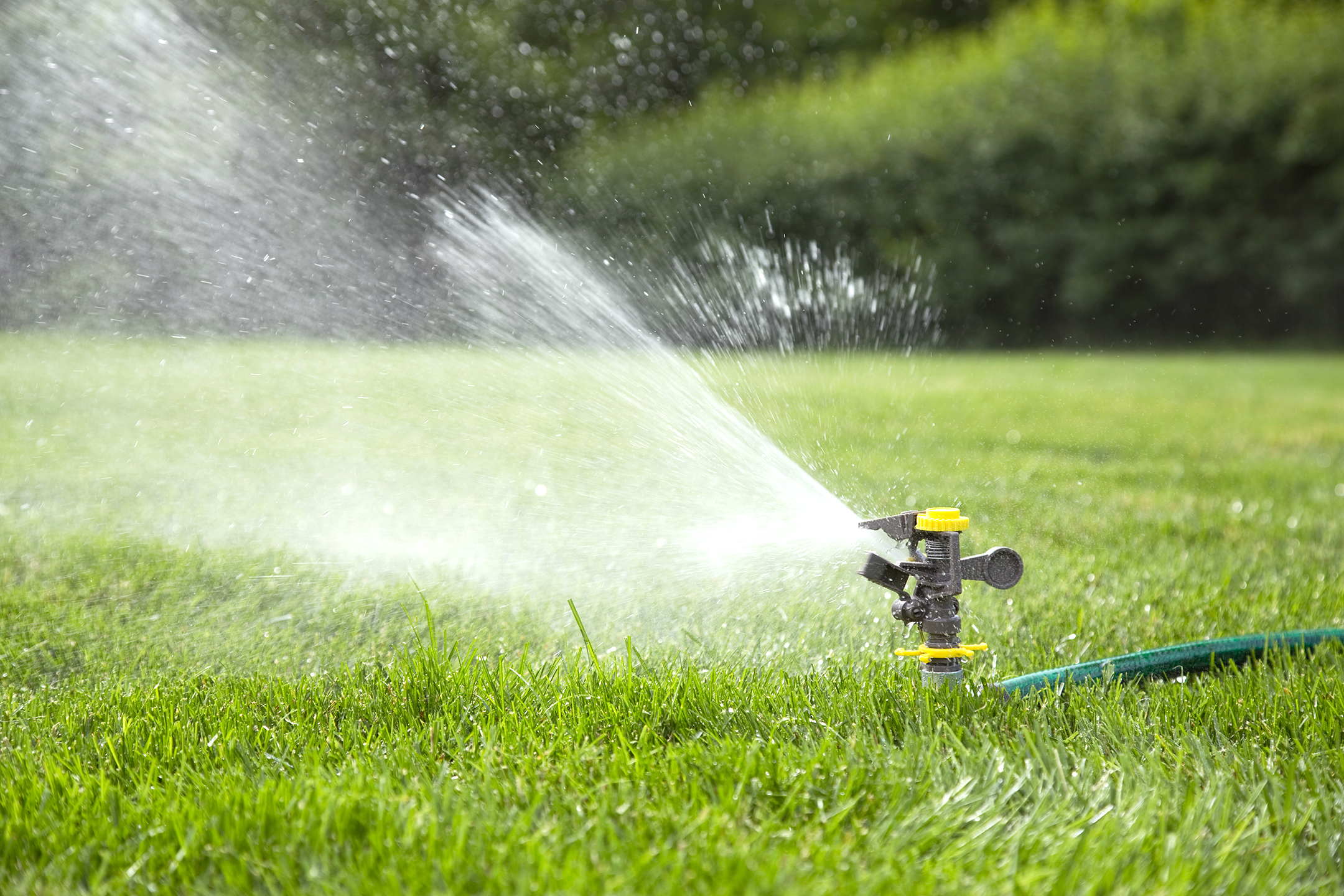
The DEP recommends shortening showers, limiting outdoor irrigation and other yard work – plants need less water, anyway, as temperatures cool – and washing cars at higher-efficiency car washes as opposed to at home. It also advises sweeping paved outdoor spaces instead of hosing them down and choosing low-flow options when installing showerheads and toilets.
Much more urgent than New Jersey’s water plight is the risk of wildfires from lack of rain. Dry weather, coinciding with above-average temperatures, has provided ideal tinder in dry fallen leaves and parched plants.
“The water supplies are down. The reservoirs are down. The ground is dry,” said Fred Migliaccio, director of fire services and fire marshal of Monmouth County. “Mulch is a problem because the weather is just right for mulch to decompose (and dry out).”
Citing an “extreme fire risk,” the NJDEP announced a statewide Stage 3 Fire Restriction Oct. 23.
On both public and private property, all outdoor fires, such as bonfires, fire pits and campfires, are banned, the only exceptions being elevated stoves powered by propane, natural gas or electricity. Charcoal, wood, kerosene and gas torches should not be used. Fireworks are also out of the question.
Migliaccio said his department has already intervened to stop a number of fire displays. Most people, he said, “once you explain the gravity of the situation, they pretty much realize what the problems could be.”
“When conditions become this dry, the simplest things can start a wildfire,” said Bill Donnelly, state forest fire warden and chief of the Forest Fire Service, in a statement. Similar severe conditions in the late 1800s were the impetus for the Fire Forest Service’s formation.
“In my 30-year career with the Forest Fire Service, I can’t recall a time when we faced such a prolonged period of dry weather with no relief in sight,” Donnelly said.
As Alex Staarmann, a meteorologist at the National Weather Service’s Philadelphia/Mount Holly forecast office, explained, “It’s difficult to predict when the fire risk will end.” A few good rainfall events to “really moisten up the soil… would considerably lessen the fire risk danger for a few days. But if it turns really dry again for another couple weeks, dry and breezy and warm, then the fire risk would just come right back.”
Staarmann said the end of dry weather is hard to predict, but “at least for the next few weeks, it looks like our precipitation will probably still trend below normal. The longer the drought goes on, and the worse it gets, the longer it’s going to take for us to come out of the drought.”
In the face of this, there are common-sense precautions citizens can take to help prevent fire and to mitigate the effects of the dry weather.
“Probably the biggest (ignition source) is smoking materials,” Migliaccio said. “Our recommendation is that people need to be a little more conscious of the disposal of the smoking materials. We’ve had a number of fires we could attribute to people disposing of them in an improper manner.”
The NJDEP also recommends that people be mindful of anything that can create sparks outdoors, such as using power tools, and keep matches and lighters away from children. Drivers should be aware of where they park or drive, as hot exhaust systems can easily ignite dry vegetation.
With conditions only expected to intensify in the coming years, experts hope these tips can help keep residents safe.
The article originally appeared in the November 7 – November 13, 2024 print edition of The Two River Times.