By Sunayana Prabhu
COLTS NECK – A legal challenge from two developers, backed by the statewide advocacy group Fair Share Housing Center, has compelled township officials to designate three large properties for affordable housing.
The township plans to appeal the March 9 court order that could bring as many as 856 new homes to a community still largely defined by farmland and with limited access to public water and sewer infrastructure.
New Jersey’s Fair Share Housing Act upholds the state Supreme Court’s Mount Laurel doctrine of the 1980s that ensures housing equity for all. The state mandate unfolds in 10-year cycles called “rounds” that every municipality must comply with or risk losing its zoning powers to developers using builder’s remedy lawsuits. Compliant towns are protected from these lawsuits by the state.
To streamline the fourth-round affordable housing mandate, which runs from 2026 to 2035, the state created an Affordable Housing Dispute Resolution Program that serves as a settlement mediator between municipalities and developers seeking to build affordable housing.
Under the mandate, Colts Neck must provide 101 affordable units and meet state deadlines.
On June 11, 2025, the township adopted its Housing Element and Fair Share Plan – or affordable housing plan – for the fourth round. Two developers – Active Acquisitions LLC and 68 Obre Owner LLC – challenged the plan, seeking inclusion of three sites they want to develop for affordable housing.
Backed by the Fair Share Housing Center, the developers and township officials participated in settlement conferences hosted by the Affordable Housing Dispute Resolution Program. The sides failed to reach an agreement.
In a March 4 recommendation, the dispute resolution program found the township’s plan did not fully meet the state mandate.
On March 9, a Superior Court judge agreed and ordered Colts Neck to amend its plan by April 8 and adopt zoning ordinances allowing development of the three sites by May 13. In return, the township retains immunity from builder’s remedy lawsuits.
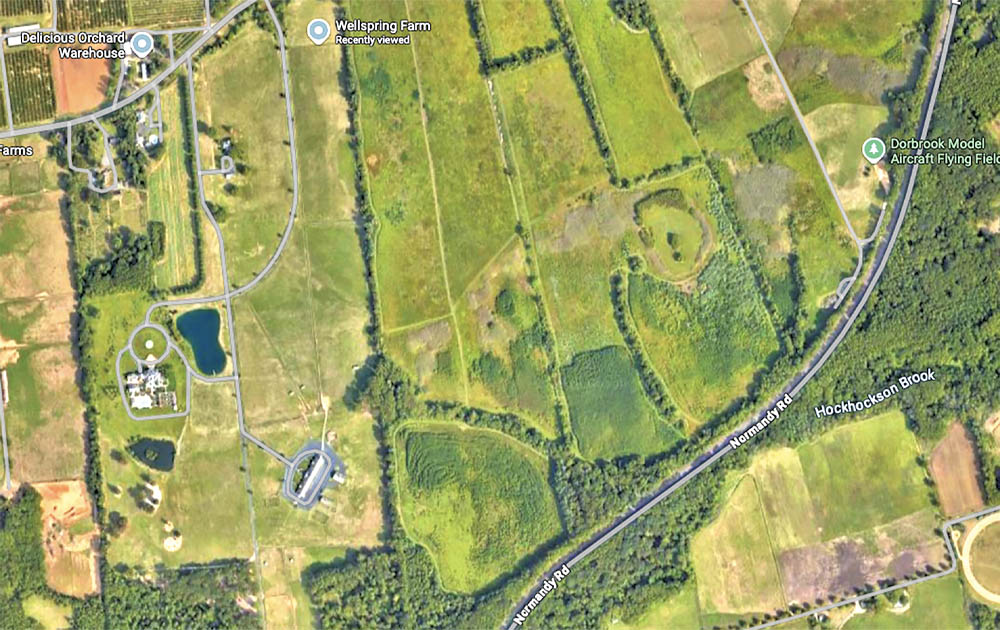
According to figures discussed at the March 11 township committee meeting, the sites include 68 Obre Road, a 36-acre tract that would have 204 units, 40 of which would be affordable; the Route 537/WellSpring Stables site, a 172-acre equestrian farm that would have 263 units, including 53 affordable; and 151 Dutch Lane Road, a 38.9-acre site with 389 units, including 78 affordable.
Together, the projects would add 856 units – 685 market-rate units and 171 affordable ones. Developers typically rely on 80% market-rate units and 20% affordable to make a project financially viable. One hundred percent affordable housing projects require separate negotiations.
“The township committee did not agree that these three sites were appropriate for development as was being proposed by the developers,” Mayor Michael Viola said during the March 11 committee meeting. One site in particular – WellSpring Stables – abuts Naval Weapons Station (NWS) Earle. The township asked NWS officials to review the proposed development, which is in close proximity to the military overlay zones. Some parts of the property are within 3,000 feet of the installation. In a letter to the township last year, NWS Earle Commanding Officer Capt. K.D. Smith expressed concerns, noting that the proposed high-density residential development was “less compatible” with a military overlay zone due to “potential safety issues associated with the types of munitions operations that occur at NWS Earle.”
“Certain positions advanced by the developers and Fair Share as far as what the township is required to do in order to comply with its legal obligations” are also disputed, Viola said.
Fair Share Housing Center has long argued that wealthy, low-density suburbs must shoulder a fair share of regional housing needs by allowing more multifamily and mixed-income projects.
Although “disappointed,” Viola said, the township “remains committed to complying with the mandates of the Mount Laurel doctrine and Fair Housing Act.”
If the township does not comply, “the planning board (and) the zoning board lose all control of Colts Neck,” Viola warned. “Builders will go to the court and will present plans to build wherever they want in Colts Neck.”
Residents and committee members raised concerns about traffic, school capacity, tax impacts and emergency services. Some officials and residents also raised national security issues tied to the proposed WellSpring site, and a deed restriction on the proposed Dutch Lane Road tract that they fear could be undermined.
Amid frustration over the court order, committee member John Tobia suggested several alternative sites and strategies while complying with existing orders. One of his suggestions included identifying 100% affordable projects along Route 34 and other corridors, potentially designated as areas in need of redevelopment, where the township could work with nonprofit or specialized developers to build senior, veteran, disabled, and family housing with no market-rate units. He also suggested using a “total cost” approach that factors in longterm impacts on schools, police, fire, EMS and road infrastructure, and comparing those costs to the impacts of large inclusionary projects driven by private developers. Another idea was to explore condemnation to assemble more suitable redevelopment areas, coupled with pursuing county or state funding and low-income housing tax credits to make 100% affordable projects financially viable despite the lack of sewers and municipal water in most of Colts Neck.
Tobia said he believes Colts Neck can present the judiciary with a comprehensive “site alternative” package that would substitute other locations and project types for the three contested sites, while still meeting the township’s obligations.
Deputy Mayor Dan Buzzetta said many of Tobia’s ideas, such as Route 34 redevelopment concepts, all-affordable projects and extended affordability controls at existing developments, had been previously discussed in executive session, but had not been formalized because the township did not yet have “rock-solid” commitments or financing in place.
Township officials amended the affordable housing plan to include the three sites “under protest,” Viola said. He said the township will also appeal the court’s March 9 order to the New Jersey Appellate Division.
The article originally appeared in the March 26 – April 1, 2026 print edition of The Two River Times.