By Jody Sackett
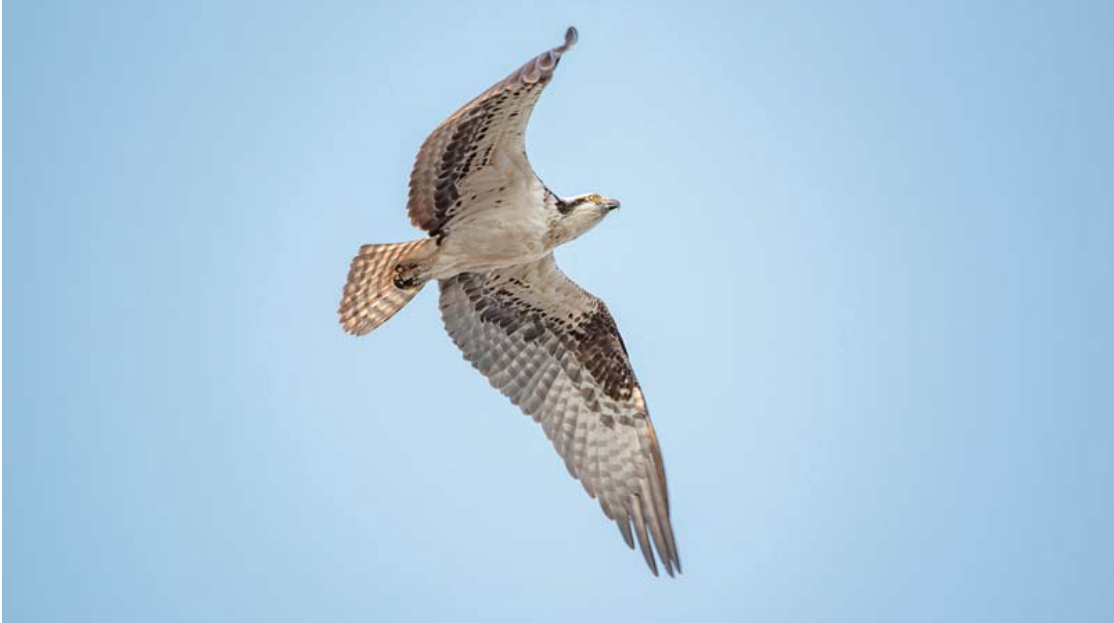
NEW JERSEY – Environmental conservation successes are rare, especially in the era of climate change. But last week, local environmental groups celebrated two coastal wins on the same day. The New Jersey Department of Environmental Protection (NJDEP) Division of Fish and Wildlife announced Jan. 6 it was removing the osprey and bald eagle from the state’s endangered species list as both species have recovered from near extinction.
Meanwhile, in Washington, President Joe Biden issued an executive order permanently prohibiting offshore oil and gas drilling across 625 million acres of federal waters off the Atlantic, Pacific and Alaskan coasts and the Gulf of Mexico. Both actions were praised by environmental groups.
Offshore Oil and Gas Drilling Ban
The federal oil and gas drilling ban prevents future leasing of 334 million acres of the Atlantic Outer Continental Shelf, including in waters off the New Jersey coast. There are currently no active oil and natural gas leases in federal waters, so the ban will preclude potential drilling.
Since 2018, there has been a state ban prohibiting oil and gas exploration within three nautical miles of the New Jersey shore. This nonpartisan ban focused on protecting the state’s coastal recreational and commercial fishing industry, along with tourism, from the possibility of a marine drilling spill. The new federal ban extends that protection to 200 nautical miles.
Critics decried the loss of access to oil and gas reserves beneath the ocean floor.
In a news conference Jan. 10, U.S. Rep. Frank Pallone (D-6) lauded Biden’s executive order. Flanked by representatives from six environmental groups, Pallone praised it as providing significant protections for coastal communities and wildlife habitat. He noted that Biden’s decision is a direct result of years of advocacy by business leaders, local communities and environmental groups who all worked to safeguard the Jersey Shore.
“The executive order by President Biden banning offshore oil and gas drilling is a monumental victory for the ocean,” said Cindy Zipf, executive director of Clean Ocean Action. The organization will be hosting events to celebrate and lock in support of the ban.
“At the heart of this are the thousands of citizens who rallied and raised their voices to the call for the ocean – because oil and water can never mix.”
Osprey and Bald Eagle Flourishing
In the 1970s, osprey and bald eagle populations plunged. A primary culprit was the widespread use of DDT, a synthetic and pervasive insecticide originally used to control mosquitoes. The chemical binds to particles in water and sediment and increases in concentration as it bioaccumulates up the food chain: Contaminated insects are consumed by fish, which are subsequently eaten by birds. Osprey and bald eagles are primarily piscivores, and their high DDT levels resulted in eggshells too thin to withstand incubation, causing widespread nesting failures and species decline.
Rachel Carson’s 1962 book “Silent Spring” was among the first to alert the public to the dangers of indiscriminate pesticide use and raise the alarm for eagles and osprey. In the 1970s and early 1980s, there was just one bald eagle nest and only 50 osprey nests left in New Jersey. Besides DDT, other contributing factors were significant habitat degradation due to urban development, over-fishing and hunting by humans, and entanglement in plastic.
With awareness came recovery efforts, and DDT was banned by the federal government in 1972. It was a turning point that initiated a multipronged recovery effort that included critical wildlife habitat preservation, wetlands protections, construction of nesting platforms, stringent monitoring programs, and inclusion of both birds in the Endangered Species Act.
Additionally, enforcement was strengthened under the Bald and Golden Eagle Protection Act and the Migratory Bird Treaty Act, which prohibited hunting or disturbing osprey and eagle nesting. Local environmental groups began beach cleanups and worked hard to remove plastic debris from coastal areas.
“Since launching the region’s first beach cleanup program in 1985, over 169,675 (COA) volunteers have participated, removed and tallied 8,491,233 pieces of debris,” Zipf said.
Today there are a record 293 nesting pairs of bald eagles statewide, of which 264 laid eggs. Osprey occupy a documented 800 nests. Based on this data, the NJDEP determined that the bald eagle and osprey could be delisted, because their populations had sufficiently recovered to the point their survival was no longer in jeopardy.
Bald eagles are now listed as species of special concern instead of endangered on the NJDEP Fish and Wildlife list. This status means the species still warrants special attention due to some evidence of decline, inherent vulnerability to environmental deterioration, or habitat modification that would result in their becoming a threatened species.
Osprey status changed from threatened to stable, meaning they appear to be secure and are not in danger of becoming endangered, threatened or of special concern in the near future. “This action is indeed a significant milestone in the history of endangered species conservation and recovery in New Jersey and is the result of the passion and commitment of many people over the past 40-plus years to restore wildlife that were on the brink of extinction” in the state, said Shawn LaTourette, NJDEP Commissioner.
Many environmental groups contributed to the birds’ recovery. Volunteers with the Bald Eagle Project of the NJ Conserve Wildlife Foundation, an NJDEP partner, monitored eagles, tracked nesting and worked with power companies to reduce electrocutions. Biologists conducted artificial incubations and fostering by placing young chicks and eggs from less-affected DDT nests into those nests that had failed to produce young. Grassroots organizations built nesting platforms – the Littoral Society constructed them in New Jersey and New York, and Save Coastal Wildlife (SCW) built 25 along the Jersey Shore.
Jenna Reynolds, SCW executive director and president, noted that the group still conducts regular beach cleanups because plastic pollution is detrimental to the birds’ digestion and reproductive success and can physically harm the birds. “Fishing line (monofilament) has been found in both the nests of bald eagles and ospreys in New Jersey, which cause young birds to become entangled in the line and unable to move or eat.”
Although the bird populations have rebounded, they are still being carefully monitored. “We need to protect the population so that it continues to grow and not be on the precipice of backsliding into threatened status,” said Tim Dillingham, Littoral Society executive director. He added that there are now concerns about possible vulnerability to avian flu.
“We have more work to do and continue to face challenges, as evidenced by the addition of 30 species to the state’s endangered species list,” said Kathy Clark, NJDEP Endangered and Nongame Species Program chief. “But with so many dedicated people and strong legislation in place, I am confident we will continue to protect our remarkable diversity of wildlife.”
The article originally appeared in the January 16 – 22, 2025 print edition of The Two River Times.