By Stephen Appezzato
LITTLE SILVER – More ospreys may soon reside in the borough as Netflix looks to relocate nests from its Fort Monmouth property.
With construction on the horizon for the video streaming enterprise, existing osprey nests on the former fort pose a unique challenge.
“The DEP said, ‘We’d kind of like you to find new homes for those ospreys, or at least potential homes. Give those ospreys someplace else to go when those nests are removed,’ ” Mayor Robert Neff explained at the borough’s Aug. 12 meeting.
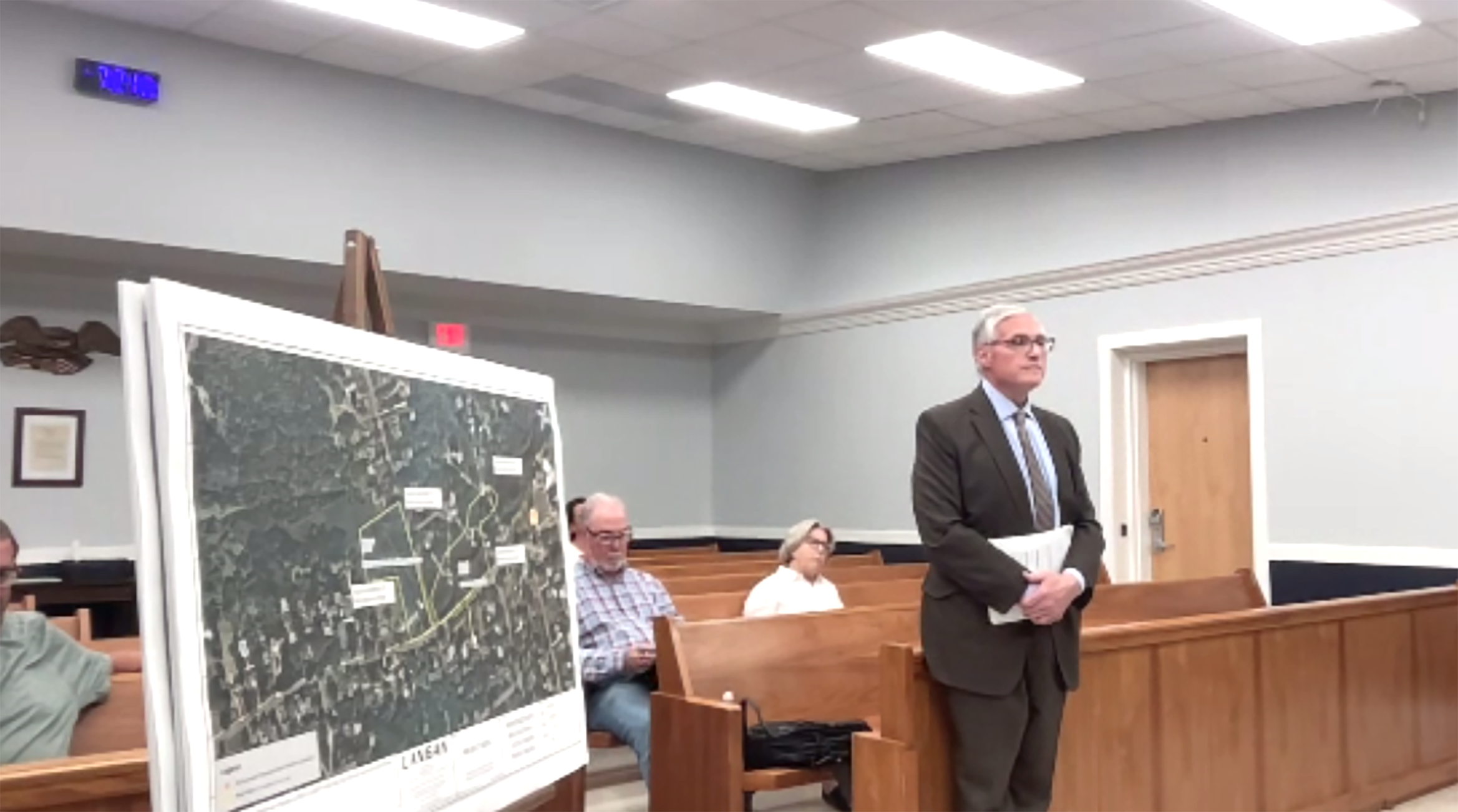
In need of a solution, Netflix officials sought Little Silver’s help and proposed installing seven nests along the borough’s waterways.
“We spent a lot of time looking at different sites within the watershed,” said John Valeri, an attorney with Chiesa Shahininan & Giantomasi PC, the firm representing Netflix in the matter.
If all goes to plan, the nesting sites would be installed from the shore or a barge, depending on the location. They would be a maximum height of 30 feet and constructed of a durable plastic composite, which is “very desirable to the birds” as it lasts a long time, explained Victoria Schaller, a project scientist and osprey expert with Langan Engineering. “There’s no big impact to an area. They’re put in rather quickly; it doesn’t require a lot of disturbance around it,” she said.
However, Netflix’s plan hinges on a key ruling expected from the state Department of Environmental Protection (DEP) that would reduce protections around osprey nests.
On June 2, the DEP proposed changing its threatened and endangered species list to downlist the osprey and the bald eagle to “stable.”
“That rule proposal, when adopted, would basically remove any full-time year restrictions” on building around osprey nests, said Valeri.
Currently, ospreys are considered stable during the nonbreeding season. However, during the spring breeding season, the DEP places a 500 to 1,000-foot restriction on nesting areas, limiting construction activity and interference with the birds.
Under an agreement with borough officials, Netflix would only relocate nests to Little Silver if the DEP approves the rule change reducing restrictions around nests, to avoid interfering with construction projects residents may want to undertake during the birds’ breeding season.
“We are hopeful that this is going to be done at a relatively quick period,” Valeri said. By waiting for delisting, “we eliminate that concern that some neighbors might have” about moving the birds’ nests to the borough, he said. At this time, the rule remains pending adoption.
“I just want to make sure that there’s no unintended consequence, (that) five years later that somehow the residents have been impacted” and can’t complete construction projects and property values decrease, stressed council member Chris Faherty. If any resident has an issue with a nest, Neff mentioned an agreement in which the borough could demand Netflix relocate an osprey pole.
In the mid-20th century, the widespread use of DDT, a synthetic insecticide, destroyed osprey and eagle populations. The chemical accumulated in fish and other food sources caused the birds to produce brittle and weak eggs. At its worst, during the 1970s and early 1980s, only one active bald eagle nest and 50 osprey nests remained in New Jersey.
The DEP’s June 2 proposal signaled a comeback for these birds of prey. But, if the agency opts to keep osprey on the threatened and endangered species list, Netflix must look for a different location to host the nests.
The article originally appeared in the August 15 – 21, 2024 print edition of The Two River Times.