By Stephen Appezzato
COLTS NECK – Last week the federal government codified the first national drinking water standard to protect millions from forever chemicals. Water suppliers like New Jersey American Water (NJAW) must now grapple with stricter testing and treatment guidelines to reduce these harmful chemicals.
Forever chemicals, scientifically known as per- and polyfluoroalkyl substances (PFAS), are used to make many popular nonstick, heat-, oil- and water-resistant products. Popular products containing PFAS include nonstick cookware, raincoats and Scotchgard. According to the Centers for Disease Control, these chemicals do not break down in the environment and can accumulate in animals, permeate soils and contaminate drinking water.
In an interview with The Two River Times, Lindsey Olson, director of NJAW’s coastal region, said the water provider will conduct robust sampling for PFAS over the next three years while its engineering group develops contaminate removal strategies.
“Everybody has to go by the EPA (U.S. Environmental Protection Agency) rule, three years of sampling,” she said.
Over the next five years (by 2029), water providers must reduce PFAS levels to meet EPA guidelines. Beginning in 2029, water providers who exceed the PFAS level must take action to reduce the contaminant and must notify the public of the violation.
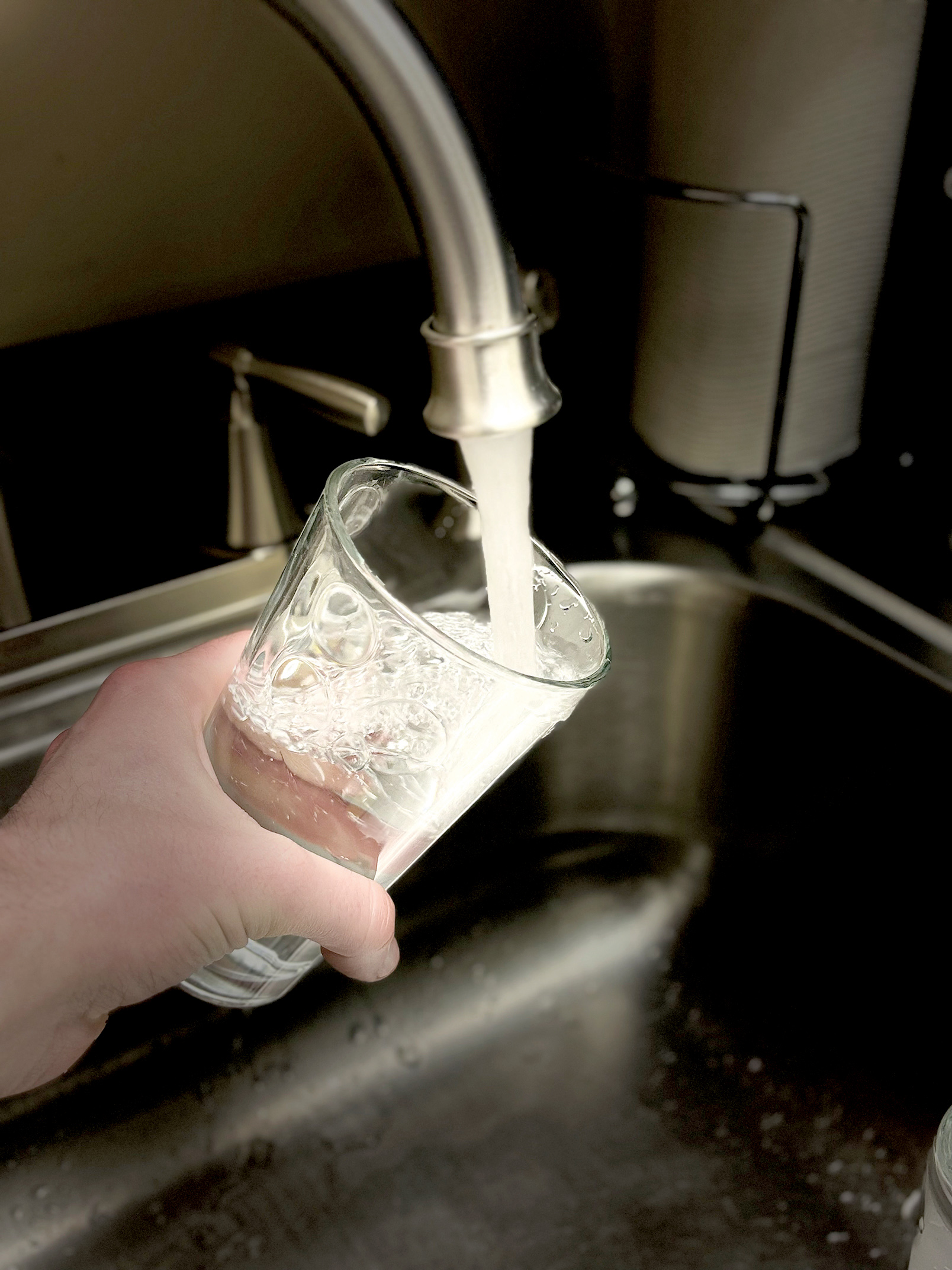
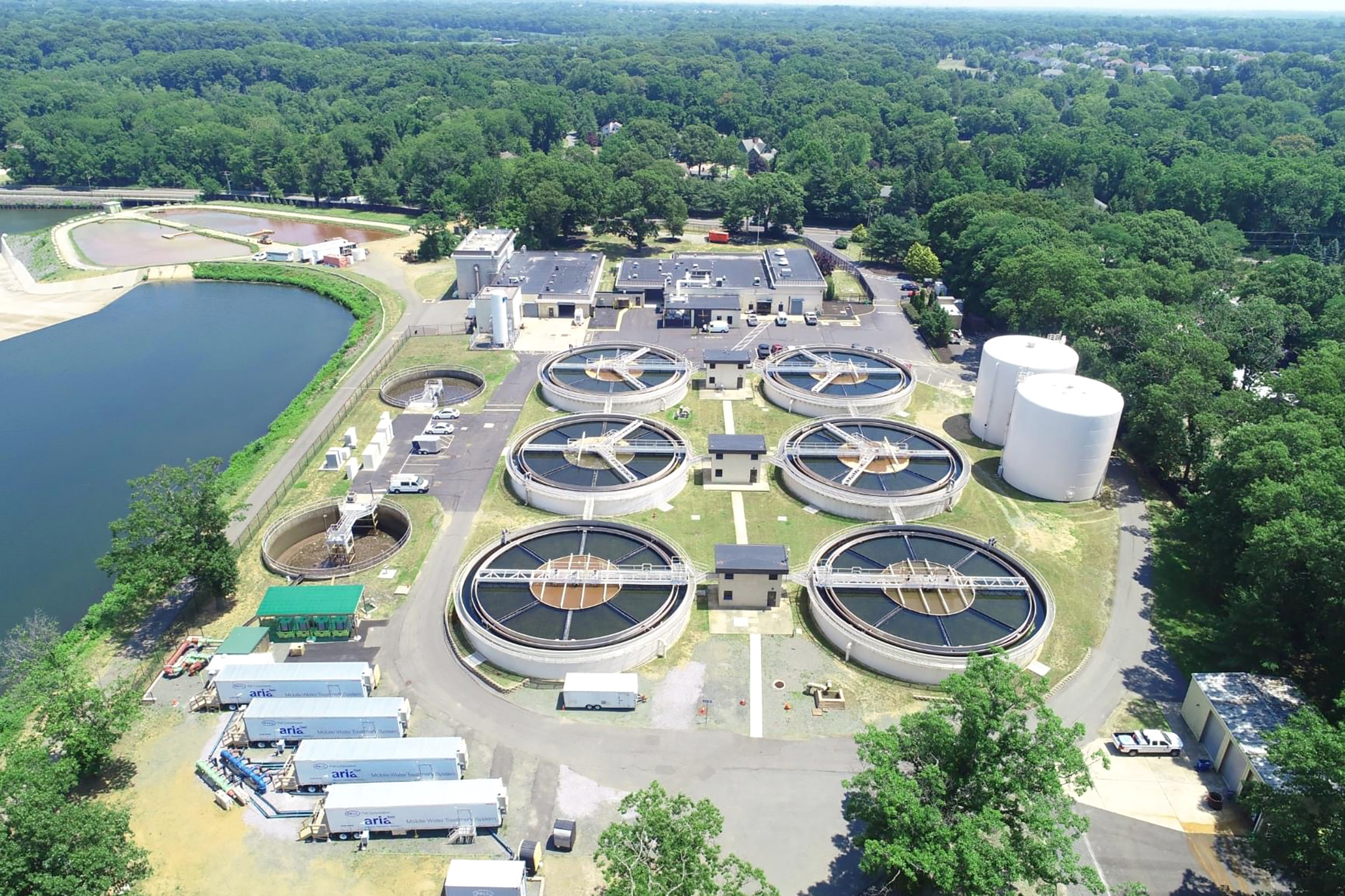
NJAW has three water treatment plants in New Jersey; its Swimming River plant in Colts Neck supplies drinking water to most Monmouth County residents. “All three of those treatment plants are having pilot plants for PFAS removal at them right now,” Olson said. “We’re evaluating the best alternatives for treatment of the PFAS.”
PFAS are abundant and studies indicate communities exposed to them – especially through contaminated drinking water – have a higher risk for health issues, such as growth and developmental defects, reproduction issues and disrupted thyroid, immune system and liver function. While there is little longterm research on the health effects of PFAS, especially among children, peer-reviewed studies demonstrate certain levels of exposure to these chemicals can also increase cholesterol levels and risk of prostate, kidney and testicular cancers.
Under the new EPA rules – the first federal guidelines for PFAS-related drinking water standards – utility companies cannot supply water that has 4 parts per trillion (PPT) or more of PFOA or PFOS, two of the thousands of chemicals considered PFAS. For PFNA, PFHxS and HFPO-DA (commonly known as GenX chemicals), the limit will be 10 PPT. According to the EPA, the companies behind about 7,000 public and well-water systems may have to take action to remove PFAS.
“We’ve been looking at PFAS for a while now,” Olson said.
“Before the EPA came out with the regulations, we’ve been working on this, evaluating our systems,” she said. “Our corporate engineering group was involved in doing a thorough evaluation so that we could determine which plants needed additional treatment. So we’re looking at all of our plants statewide, not just Monmouth County.”
Olson said NJAW meets “all of the current DEP (New Jersey Department of Environmental Protection) regulations. We’re in compliance.” However, she said NJAW now needs to address the lowered EPA regulation for future compliance.
In 2020, in pioneering legislation, Gov. Phil Murphy approved amendments to the New Jersey Safe Drinking Water Act, which codified PFAS limits in drinking water years before the recent EPA regulations. However, the state’s regulations are far more lenient than the new EPA guidelines. The state law caps PFOS levels at 13 PPT and PFOA at 14 PPT. Now, NJAW must meet federal guidelines of 4 PPT for these chemicals.
In a release, NJAW assured customers the company was prepared to meet the EPA’s new rules and that NJAW “strongly supports sound governmental policies that ensure compliance by all water utilities while also protecting customers and communities from these costs.”
“The water industry is a very capital-intensive industry,” Olson said. The systems for meeting the PFAS regulations are “no more expensive than any other water treatment process that you put in.”
The EPA estimates the new monitoring, remediation and reporting guidelines will cost around $1.5 billion each year spread across the 66,000 public drinking water systems in the United States. At this time, it is unclear if the bulk of these costs will fall onto ratepayers.
In a statement from an NJAW spokesperson to The Two River Times, the company said it is advocating for funds to help mitigate compliance costs “from both those who created the problem through participation in multi-district litigation and government funding.” The spokesperson also said NJAW has long been “advocates for permanent funding for a federally funded low-income assistance program for water and wastewater,” which has existed for over 40 years for energy, and that NJAW joins other water organizations urging the EPA, Congress and other decision-makers “to implement policies that will exempt all water and wastewater systems from financial liability for PFAS under CERCLA,” the Comprehensive Environmental Response, Compensation and Liability Act, which was signed in 1980 and gives the EPA the ability to manage land and resources that are contaminated with hazardous materials.
President Joe Biden’s 2021 Bipartisan Infrastructure Law set aside $9 billion for communities struggling with PFAS contamination and the EPA also announced last week another $1 billion is newly available to help states implement PFAS testing and treatment.
NJAW has remediated PFAS contamination at its Short Hills Well Station, Green Brook and Charles Street Stations, and Springfield Station in the past. The company has a robust research group that is piloting the use of ion exchange resins and granular activated carbon systems to reduce PFAS in drinking water.
The article originally appeared in the April 18 – April 24, 2024 print edition of The Two River Times.