Beating the heat has been particularly challenging this summer, but there are some smart ways to stay cool
By Regina Molaro
Several months ago, many people eagerly awaited the summer season and all the outdoor activities that come along with it. They yearned to swap the frigid temperatures and icy road conditions for leisurely summer days lounging poolside, at the beach, in the region’s many parks, and at outdoor festivals and concerts. They longed to trade in puffy winter coats for barely-there swimsuits.
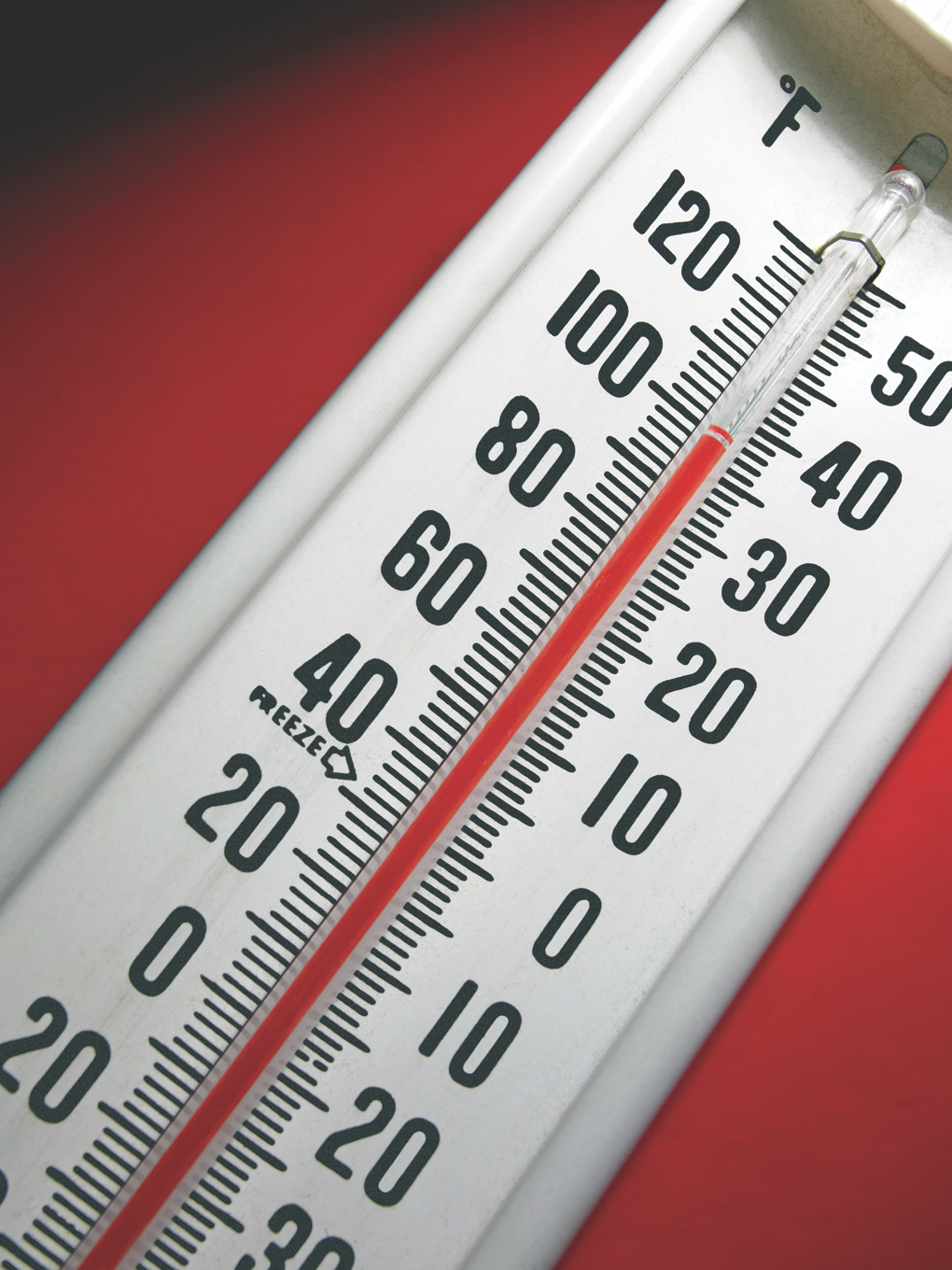
But not even halfway through the season, New Jersey has experienced several “official” heat waves (three consecutive days of temperatures reaching 90 degrees and above), prompting multiple heat advisories. The scorching temperatures in recent weeks – with more likely to come – are linked to climate change and El Niño, when warm water spreads eastward across the surface of the equatorial Pacific. The water evaporates, adds moisture to the atmosphere and triggers a cascade that alters rainfall, droughts and heat waves.
According to Rutgers NJ Weather Network, the first half of 2024 ranked as the second warmest since the state began keeping records in 1895. June 2024 also marked New Jersey’s second warmest in 129 years.
Know The Dangers
Extreme temperatures, such as those the Garden State has been experiencing in recent weeks, can cause heat exhaustion and heatstroke. It’s important to note the difference.
Heat exhaustion is fatigue caused by bodily exertion, heavy breathing or just being in a hot environment. When this happens, the body can still maintain an average temperature of 98.6 degrees. Symptoms include feeling overheated and exhausted, rapid breathing and a change in cognitive function.
Heatstroke is when a person can no longer regulate their internal body temperature. That’s when the situation becomes dangerous. Symptoms include lack of sweat, change in levels of consciousness and rapid heartbeat and breathing.
“When this occurs, it raises the heart rate and increases breathing, which strains the heart and elevates a person’s risk of having a heart attack,” said Peter Fish, M.D., a civilian internist and U.S. Army physician trained in environmental medicine. “When a person becomes dehydrated, their blood is also more likely to clot, which increases the risk of stroke.”
Simply being hydrated won’t cool you down enough to stay safe. “When it’s humid out, make sure you get into a cool, dry place or at least sit in front of a fan to cool down,” Fish said. “Sweat won’t cool you down if it can’t evaporate due to high levels of humidity. Sweat evaporates more slow ly when there’s high humidity, therefore being well hydrated isn’t enough.”
Playing it Cool
Many in the Two River area are fortunate to have air conditioning and easy access to pools or miles of shoreline, but there are some solutions for those who struggle to stay cool.
• Avoid the mid-day sun – from 10 a.m. to 4 p.m.
• Relax! Take a nap during the hottest parts of the day in the coolest part of your home.
• Block the sunlight with curtains or window shades.
• Wear airy, light-colored clothing when heading outdoors.
• Stay hydrated. Remember to carry a water bottle to ensure access to water.
• Wear a wet scarf or towel around your neck – when indoors or outdoors.
• Take frequent cold showers or regularly splash cool water on your face and head, which can quickly lower your body temperature.
• Try hanging damp curtains in a doorway to cool the incoming breeze.
• Stock up on fans if you don’t have air conditioning.
The article originally appeared in the July 18 – July 24, 2024 print edition of The Two River Times.