By Sunayana Prabhu
HOLMDEL – During the Oct. 8 township committee meeting, the governing body authorized two significant legal actions to oppose the state’s affordable housing mandates.
As the state prepares to roll out its fourth round of affordable housing mandates next year to reduce housing shortages, developers have been steadily seeking zoning approvals for construction. However, several municipalities in the state are legally challenging the mandates, citing a lack of infrastructure and resources to support high-density growth in their towns.
The Holmdel Township Committee voted unanimously to adopt a resolution authorizing a legal challenge to New Jersey’s fourth round of affordable housing which will present a new requirement for the number of affordable housing units each municipality must build within the next decade.
The committee also authorized the appeal of a trial court decision that prohibited Holmdel from challenging a high-density housing development proposed by developer Adoni Group along its border in Middletown.
During the meeting, Mayor Rocco Impreveduto read from a statement explaining his concerns and rationale for challenging the state’s affordable housing policies, which he described as “a weapon used by developers to hold towns hostage to obtain zoning that constitutes bad planning but makes them money.”
Affordable housing mandates in New Jersey stem from the Mount Laurel doctrine established by New Jersey Supreme Court decisions beginning in 1975. The Mount Laurel doctrine constitutionally requires towns to provide their share of affordable housing. The objective is to ensure housing access to all individuals, prevent exclusionary zoning and reduce housing segregation.
Municipalities that fail to meet their affordable housing targets risk facing builder’s remedy lawsuits from developers, which can lead to court-imposed zoning changes favoring high-density developments.
Impreveduto noted during the meeting that “although the original Mount Laurel doctrine was based on a noble premise… and, it should be noted, the people who occupy these homes are good, hardworking people… somewhere along the way the process became perverted.”
“Regrettably, this process is less about providing affordable housing and more about ensuring developers can make money,” he said.
Impreveduto explained that the state is poised to impose a mandate of approximately 150 new affordable units in Holmdel, translating to a 15% increase in the town’s housing stock and a 10% rise in population.
“The state you pay high income taxes to is about to tell you that your town, our town, has to increase the number of homes by nearly 15% because, otherwise, developers won’t make money,” Impreveduto said. “But you know what the state won’t do? Help us with flood remediation, help us expand our schools to fit their mandated population growth in our district, hire more first responders, or improve traffic safety and infrastructure.”
According to the nonprofit advocacy group Fair Share Housing Center (FSHC), affordable housing obligations are based on “population changes and growth in a region each decade.” In New Jersey, the obligation to create affordable homes is recalculated every 10 years in cycles known as “rounds.” These obligations are determined by assessing the growth of low- and moderate-in- come households in the various regions of the state, producing an individualized requirement for affordable housing in each municipality.
Municipalities can consider the state Department of Community Affairs’ calculated numbers to determine their present and prospective fair share obligation. They have until Jan. 31, 2025, to adopt that number or provide their own calculation consistent with the new legislation, and until June 30, 2025, to adopt specific plans to address it.
Impreveduto argued that, in Holmdel, these developments would exacerbate existing issues with flooding, stormwater runoff, traffic and public safety. “As a result of their (developers’) callous disregard for our environmentally sensitive region… we are announcing this evening that Holmdel Township is going to present a legal challenge to New Jersey’s next affordable housing mandate,” he said.
The mayor said he’s been in contact with neighboring municipalities and noted, “22 towns have now banded together to challenge the state on their own terms. We will decide which path is most beneficial to our town and our region.”
Advocates of fair share housing believe the housing mandates are necessary. “New Jersey has a shortage of over 200,000 affordable housing units and there are 14 prospective renters for each vacant apartment,” FSHC’s executive director, Adam Gordon, said in a Sept. 9 press statement in response to a lawsuit filed by Montvale’s leadership and eight municipalities against the state’s new affordable housing law (S50/A4). Gordon further added that the lawsuit is “nothing new” and is “purely a smokescreen to undermine and delay the implementation of New Jersey’s landmark new affordable housing law” supported by “many of the same ultra-wealthy communities who have fought affordable housing for decades, every step of the way.”
Gov. Phil Murphy signed S50/A4 in March to strengthen the Mount Laurel doctrine and increase the production of affordable housing over the next 10 years. The new bill abolished the Council on Affordable Housing (COAH) and transferred its responsibilities to the Department of Community Affairs (DCA) and the Administrative Office of Courts. As per details outlined in the bill, the DCA is tasked with calculating and advising municipalities on the number of affordable homes each municipality must build over the next decade.
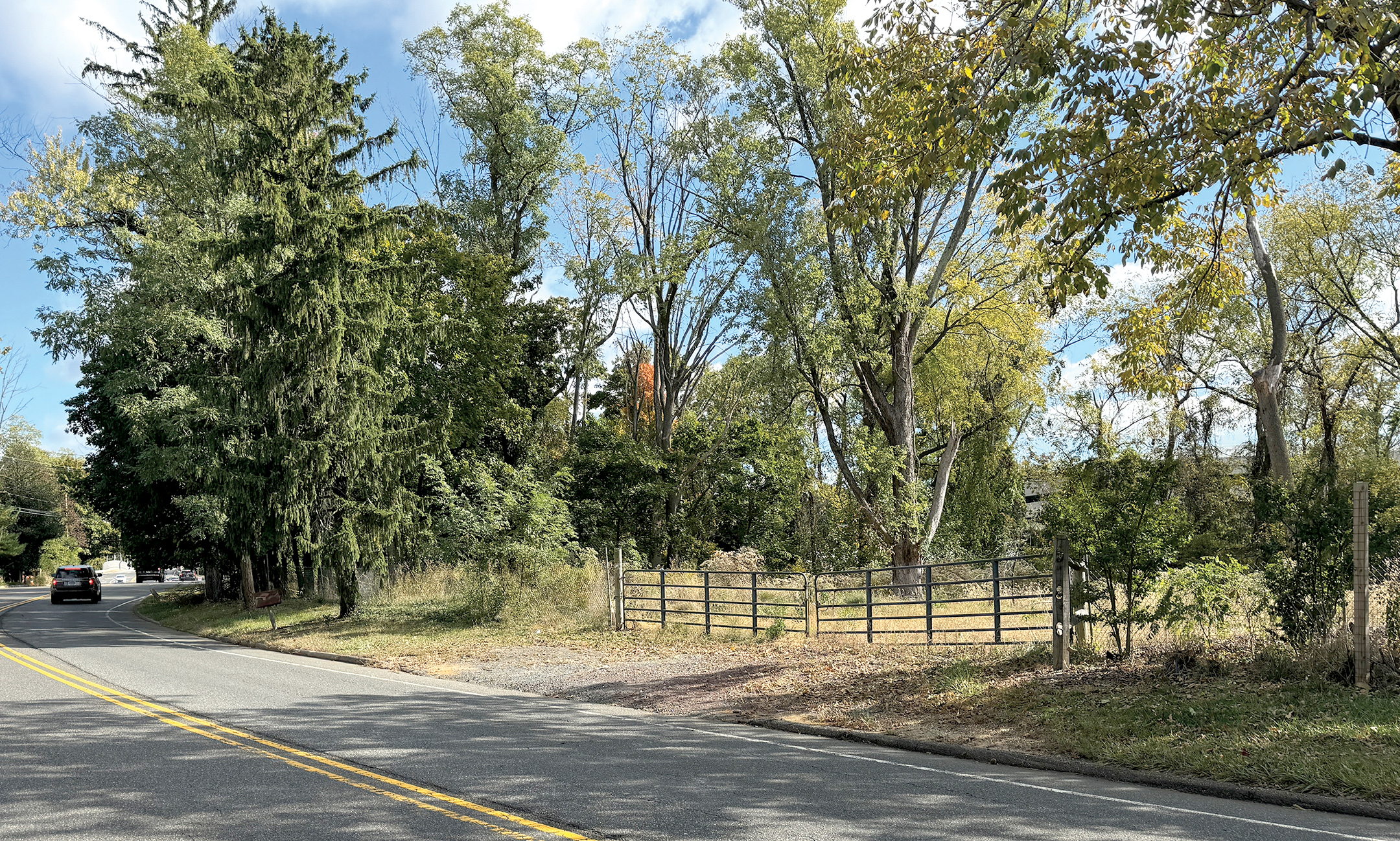
In Holmdel’s other legal challenge, it has joined Middletown Township against developer Adoni Group’s proposal to build 408 housing units at 1114 Nut Swamp Road and 66 units at 490 Red Hill Road (near Memorial Sloan Kettering Cancer Center). Both properties are located in Middletown, close to Holmdel.
Impreveduto expressed frustration over the legal barriers preventing Holmdel from adequately addressing its concerns about Adoni’s proposed developments. He criticized the court’s dismissal of the township’s rights to intervene in zoning changes meant to fulfill the affordable housing requirements.
“We, as a township, have tried several times to intervene in the case,” Impreveduto said, noting that “developments such as these cause major issues for our environment, stormwater runoff, traffic, safety and infrastructure. Regrettably, each time we tried to intervene, we were rejected by (Superior Court) Judge Linda Grasso Jones.”
He announced that Holmdel would be appealing Jones’ decision which prohibited township officials from intervening in a builder’s remedy lawsuit filed against Middletown.
According to Impreveduto, the court’s decision essentially holds that “because these developments are proposed to fulfill an affordable housing mandate, our concerns don’t matter enough to provide Holmdel with an opportunity to make its case.” He noted that Holmdel will appeal for an opportunity to address its concerns relating to the project.
The article originally appeared in the October 17 – October 23, 2024 print edition of The Two River Times.