By Sunayana Prabhu
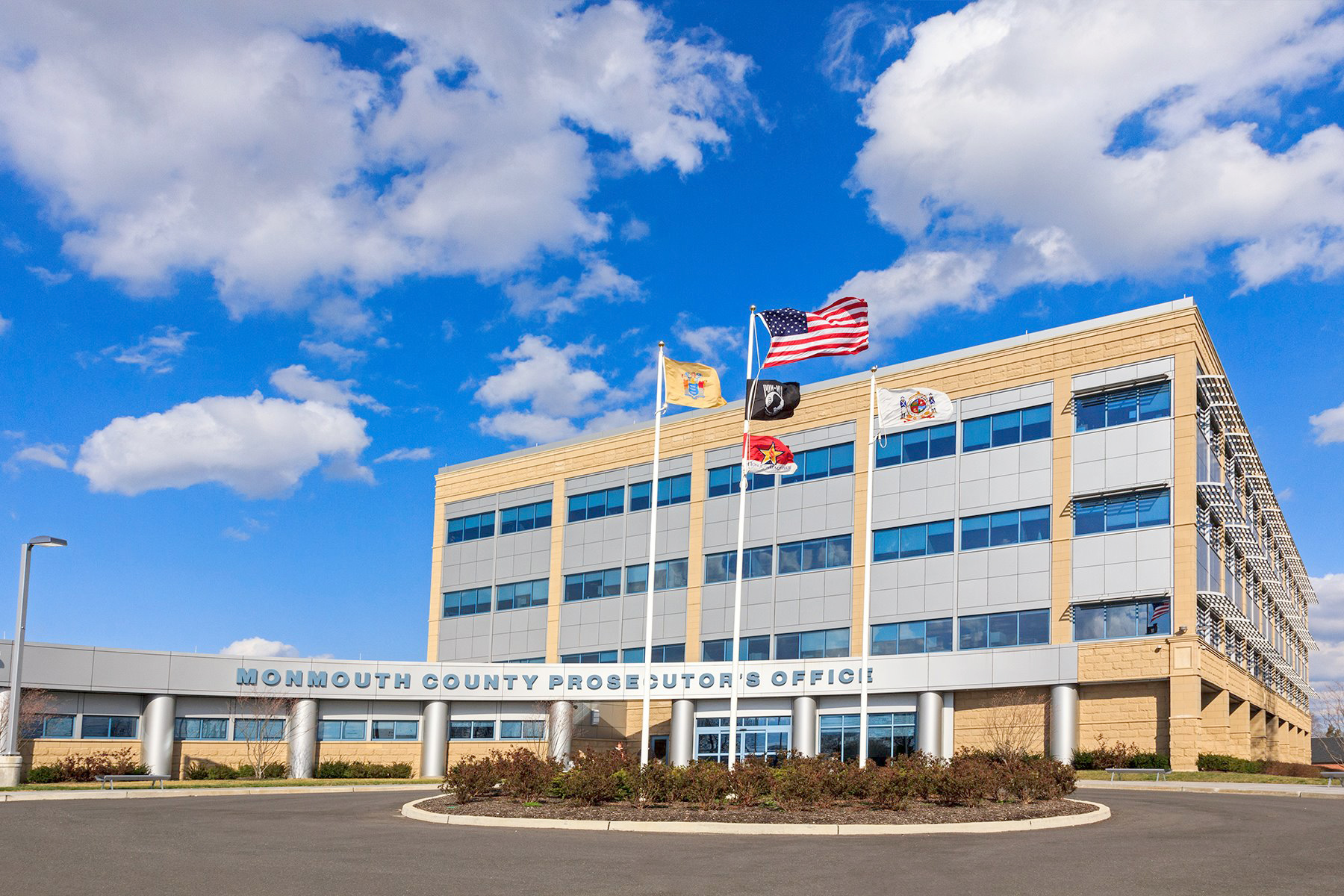
FREEHOLD – Domestic abuse, also called domestic violence or intimate partner violence, continues to profoundly affect lives across gender, age, religion and socio-economic status. Government and private agencies across the country and locally are optimistic in their efforts to put an end to the violence but change can only be possible if the victim seeks solutions. A new investigative unit within the Monmouth County Prosecutor’s Office hopes to help victims and curb domestic violence on the county level.
“Abuse doesn’t happen overnight,” Liz Graham, CEO of the Hazlet-based nonprofit 180 Turning Lives Around, said. “It happens over a period of time where the victim is broken down, they are gaslighted… (and) making that phone call is such a brave step that can really make all of the difference.”
The nearly 50-year-old nonprofit is the lead agency for domestic violence and sexual violence services in Monmouth County and offers free, confidential support services to survivors. It will now work closely with MCPO’s newly launched Intimate Partner Violence Unit (IPV) and others, including the Monmouth County Abuse Intervention Program, the Asbury Park-based Community Affairs and Resource Center (CARC) and Mercy Center, to help victims and prosecute offenders.
The investigative unit, located at MCPO headquarters in Freehold Township, will be separate and distinct from the Family and Juvenile Unit and will focus on investigating and prosecuting inci- dents of IPV, a term that refers specifically to abuse or aggression occurring during or after a romantic relationship involving current or former spouses or dating partners.
“It is our firm expectation that this new Unit will thoroughly reinvent how such cases are handled in Monmouth County, making all such prosecutions far more efficient and effective,” Santiago said in the release. “Incidents of domestic violence represent by far the most common type of the several thousand indictable crimes our Office prosecutes every year, and each and every case features a wide range of unique challenges facing the dedicated men and women who strive to bring these perpetrators to justice.”
The U.S. Dept of Justice’s Office on Violence Against Women (OVW) defines domestic violence as a “pattern of abusive behavior in any relationship that is used by one partner to gain or maintain control over another intimate partner.” This abuse can be “physical, sexual, emotional, economic, psychological, or technological actions or threats of actions or other patterns of coercive behavior that influence another person within an intimate partner relationship. This includes any behaviors that intimidate, manipulate, humiliate, isolate, frighten, terrorize, coerce, threaten, blame, hurt, injure, or wound someone.”
“When survivors leave situations, it is the most dangerous time, that loss of control for the person that does harm, that is the most lethal,” explained Graham. She said it may take years before the victim even realizes abusive behavior and many more to report it. The latest statistic is that it takes “up to four times (experiencing abuse) before a survivor will leave the situation,” she said.
New Jersey State Police records 60,000 such offenses annually, “a total of 164 daily, or one every 8 and a half minutes. The most common types of such offenses are harassment and assault, and children are present to witness the abuse about a quarter of the time,” Santiago noted.
Nationally, that number soars an estimated 10 million people annually, “with as many as 1 in 4 women and 1 in 10 men becoming victims of domestic violence over the course of their life- times,” the National Library of Medicine noted in 2023, according to the county prosecutor’s office.
Graham applauded MCPO’s new IPV unit. She said it is an “innovative approach” that holds the abuser accountable and provides “restorative justice for the survivor. “
The nonprofit will provide training, guidance, expertise and a survivor-centered approach to the new domestic violence unit.
The new IPV unit will have a staff of six, led by veteran Assistant Prosecutor Stephanie Dugan, who will supervise a second assistant prosecutor. Two detectives will also be specifically assigned to the unit, along with support staff.
According to MCPO’s release, the IPV unit will operate similarly to MCPO’s existing investigative units, providing logistical and on-the-ground support to local agencies on their cases in matters such as taking victim statements and interviewing witnesses. The aim of the unit as stated in the release, “is ultimately to help victims stuck in the cycle of domestic violence free themselves – ideally, in some cases, achieving the ability to prosecute even in the absence of direct trial testimony, allowing victims to avoid the trauma of reliving the crimes committed against them in the same room as the individuals who committed them.”
Santiago said creating this new unit has been a “top priority” for him for personal reasons. “I myself experienced the damaging effects that domestic violence can have on a family as a child growing up, and throughout two decades of private law practice, I served innumerable clients who had endured those same effects themselves,” he said. “Domestic violence leaves many scars that don’t heal quite right, and many others that never heal at all.”
Individuals actively experiencing or witnessing an incident of domestic violence can call 911. Locally, 180 Turning Lives Around provides a domestic violence hotline at 888-843-9262; the nonprofit also offers separate hotlines for youth, sexual violence, and the hearing impaired. In addition, it offers “a magnitude” of other resources victims may not be aware of unless they seek information, Graham said, from shelter to help in the court system, counseling, support groups, art therapy for children and other programs. “Call,” Graham said. “Call us, reach out to us, and take that first step.”
The article originally appeared in the September 12 – September 18, 2024 print edition of The Two River Times.