By Adam Philipson
A song that makes our feet tap. A joke that makes us laugh until we cry. A play that allows us to visit places we’ve never been. Whether we are performing, creating, working behind the scenes, or sitting in the audience, the arts are having an impact on our mental, emotional and physical well-being.
A growing body of research confirms what many of us have witnessed by being in the trenches: the arts are connected to our health and well-being. A landmark review by the World Health Organization, examining more than 3,000 studies, found that engagement with the arts can help reduce stress, support mental health, and even play a role in preventing illness.
Simply put, moments of creative connection have measurable benefits for both individuals and communities.
Part of what makes the arts so powerful is that there are many ways to be involved.
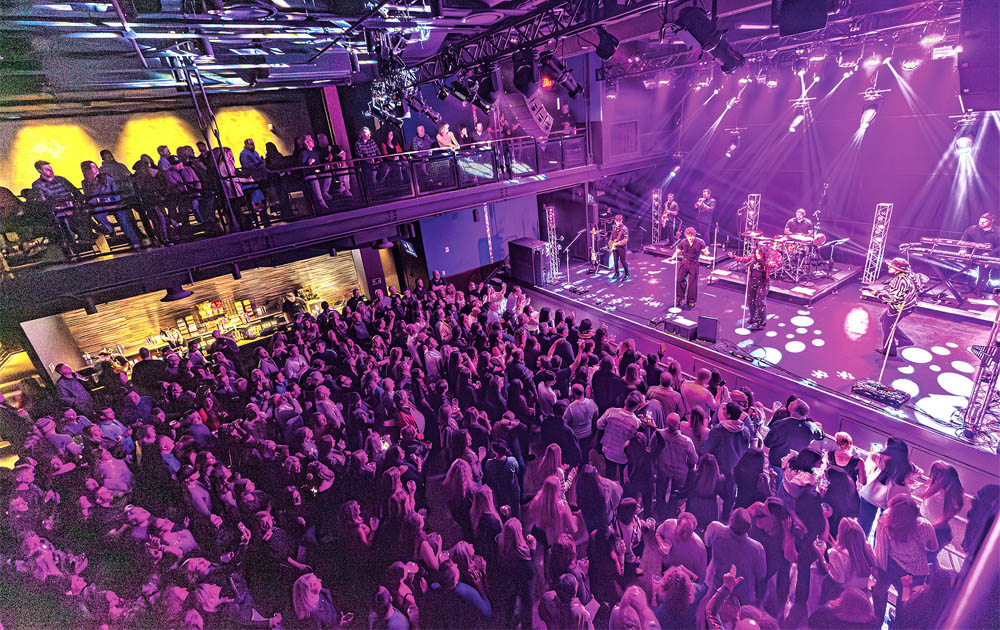
Some may participate directly, singing in a choir, performing in a play, painting, writing, dancing, or learning an instrument. Others may contribute behind the scenes – building sets, designing costumes, running lights and sound, managing the budgets, raising necessary funds – all that help bring productions to life. And of course, many others may experience the arts simply by showing up. Whatever the reason people come through the door, they all become connected by the experience they are experiencing together.
Creative engagement activates parts of the brain connected to emotion, memory, and empathy. It gives us a way to express feelings that can be difficult to put into words and offers space for reflection, imagination, and joy.
But the benefits of the arts extend beyond individual well-being. They also help build stronger and healthier communities.
The arts bring people together across generations, backgrounds and perspectives, creating opportunities for dialogue and understanding. The arts invite us to see the world through someone else’s lens, even if only for a few moments.
At a time when much of our lives happens on screens, shared creative experiences are more important than ever. Sitting together in a theater, hearing live music, or watching a perfectly imperfect performance unfold in real time reminds us of our humanity and is the very fabric we weave into a community.
Communities with vibrant arts ecosystems tend to be more engaged, more connected, and more resilient. And that is why access to the arts matters. It’s not just about entertainment. It’s about creating opportunities for people to experience something meaningful, discover new ideas, express themselves, and feel part of something larger than themselves.
From early childhood education programs to lifelong learning opportunities for older adults, the arts provide meaningful ways for people of all ages to grow, connect, and stay engaged with the world around them.
When people have the opportunity to create, experience, and share in the arts, they’re strengthening their well-being, deepening their connections with others, and helping build communities that are more vibrant, resilient, and connected.
And that’s exactly what makes the arts an essential part of our lives.
Adam Philipson is president and CEO of the Count Basie Center for the Arts in Red Bank, a nonprofit dedicated to arts education, community engagement, and world-class cultural programming. This is his first in a quarterly series of essays about the arts.
The article originally appeared in the April 2 – 8, 2026 print edition of The Two River Times.