By Stephen Appezzato
WEST LONG BRANCH – In the lead-up to the 2024 presidential election, many may notice an uptick in unsolicited calls, texts and emails. No need to panic – chances are these messages are from an organization conducting a poll you may want to consider answering. And it just so happens one of the nation’s premier polling institutes is right next door.
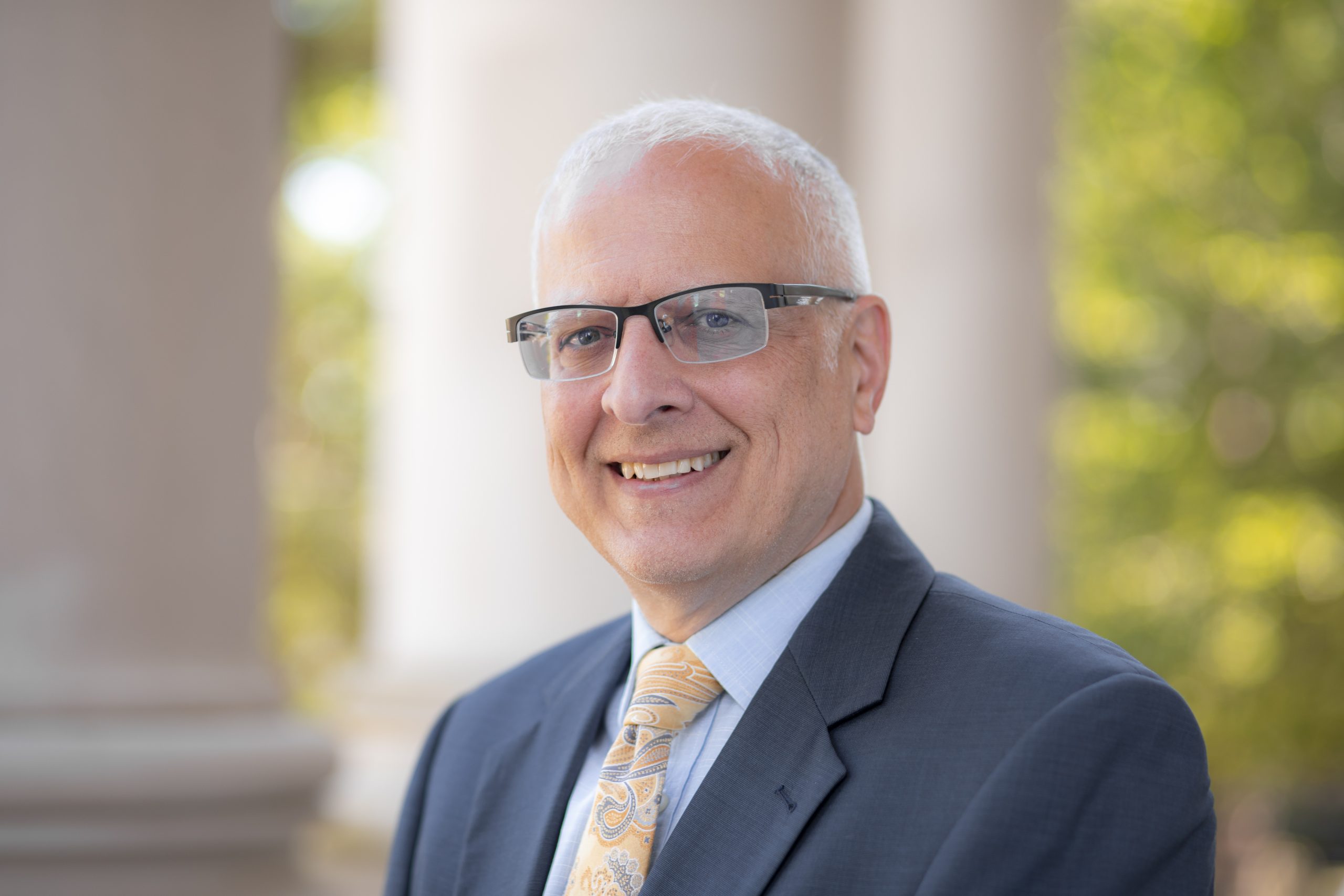
“Polls are a snapshot of what a particular population thinks or does at a certain point in time,” explained Patrick Murray, the founding director of the Monmouth University Polling Institute. “What they do is they hold up a mirror to ourselves, which is why people continue to be interested in them. They want to see where they fit in that mirror,” he said.
Formed in 2005, the Monmouth University Polling Institute quickly became a leading center for the study of public opinion on national and state issues, working to further accountability by ensuring the public’s voice is heard in policy discourse. According to the poll analysis website FiveThirtyEight, the institute is the fifth best in the country out of more than 500 survey research groups, with many media groups and academics referencing its work.
When creating a poll, Murray and his team start by narrowing in on a topical issue and determining its target sample population.
“You decide what information you want and then who you want it from – what population, whether it’s a national general public, a particular community, (or) people who use a particular service,” he said.
Companies often conduct surveys among the latter population to gauge customer feedback, assess competition and conduct market research.
Once a group is identified, “you develop a sample of those people and you contact them and ask them the questions designed to assess what they think at that time,” said Murray.
To solicit a response, those conducting the polls use various modes, from face-to-face conversations to mail-in or internet surveys. “Our polls use a combination of live telephone calls to both landlines and cellphones, as well as texts to online links to complete the survey yourself,” and emails with links to online surveys, Murray said.
In addition to national surveys, the Monmouth University Polling Institute has posed questions in more than 20 states and provides research surrounding policy issues to serve communities and inform lawmakers.
Notably, the institute helped track the recovery process following Super Storm Sandy for those hit hardest and assessed the content and user-friendliness of hundreds of local government websites, working to promote government transparency and public access.
In 2013, the Polling Institute was the only survey group to correctly predict the results of New Jersey’s gubernatorial and U.S. Senate races.
Polls can range from 100 respondents to thousands to ensure an accurate representation of a population. Ages, demographics and political affiliations are also taken into account to match nationwide percentages.
“Basically, I go into it saying, ‘I don’t know what people think and I’m interested in what people think.’ There’s always an explanation for why the results come out the way they do,” Murray said.
In Monmouth University’s most recent poll, 801 voters from around the country were surveyed about their support for Kamala Harris and Donald Trump in the coming election.
The poll reported Democrats’ enthusiasm “skyrocketed” since Harris became the nominee, and that voter support for Harris is slightly higher than it was for President Joe Biden, while support for Trump remains steady. The poll also found Harris has higher favorability ratings than Trump or Biden, representing a decline in “double haters” – voters who dislike both nominees – and is seen as having more stamina for the job and slightly more understanding of peoples’ concerns. She is also seen as more representative of American values and capable of bringing about change than Trump is. About 36% of the survey respondents were Republican, 34% were Democrat and 30% were unaffiliated voters, while age groups, gender identities, education and race were also accounted for.
In June, 1,106 people responded to a poll about the economy and consumer prices, which found almost half of Americans feel they struggle to maintain their financial status, a “persistently negative” view in the poll over the past few years as few respondents reported the federal government’s actions have helped their families’ major concerns. Nearly half of the respondents felt Biden, Trump and their parties in Congress are not really concerned with the economic well-being of average Americans.
In July, another 1,106 participated in a survey gauging the implications of anti-institutional attitudes. It found most Americans “see an unwillingness to accept election outcomes as a major problem in the country today”; fewer say the same regarding election fraud and distrust in the courts and justice system is a feeling for many.
Once survey data is collected, Murray and his team analyze the results and draw observations, connecting data to the discussion. They also present breakdowns of past poll results, demographics, answers to specific questions and more.
Committed to transparency and improving public confidence in polls, the Polling Institute is a charter member of the American Association for Public Opinion Research, which promotes the open science of survey research through methodological disclosure and publicizing research methods.
Over his nearly 20 years running Monmouth University’s Polling Institute, Murray said it’s not often a particular poll stands out as memorable or significant. However, “sometimes you do get a surprise.”
The article originally appeared in the September 5 – September 11, 2024 print edition of The Two River Times.