By Madison Lewis
As inflation threatens to raise prices in traditional clothing markets, thrifting – buying items secondhand from thrift stores or consignment shops – can be a more popular and cheaper option for consumers.
According to information from The Salvation Army, American thrift shops became popular in the 1950s, but the practice of thrifting has evolved since then. Now, in addition to sifting through racks and shelves of garments in consignment shops to find the perfect piece, used clothing and other secondhand items can be purchased online at discounted prices.
Despite the convenience of online shopping, thrift and consignment shops remain popular across New Jersey, with affordability, accessibility, and the ability to try on clothes among the enticements for buyers, according to those in the business.
Traditional Thrift Shopping
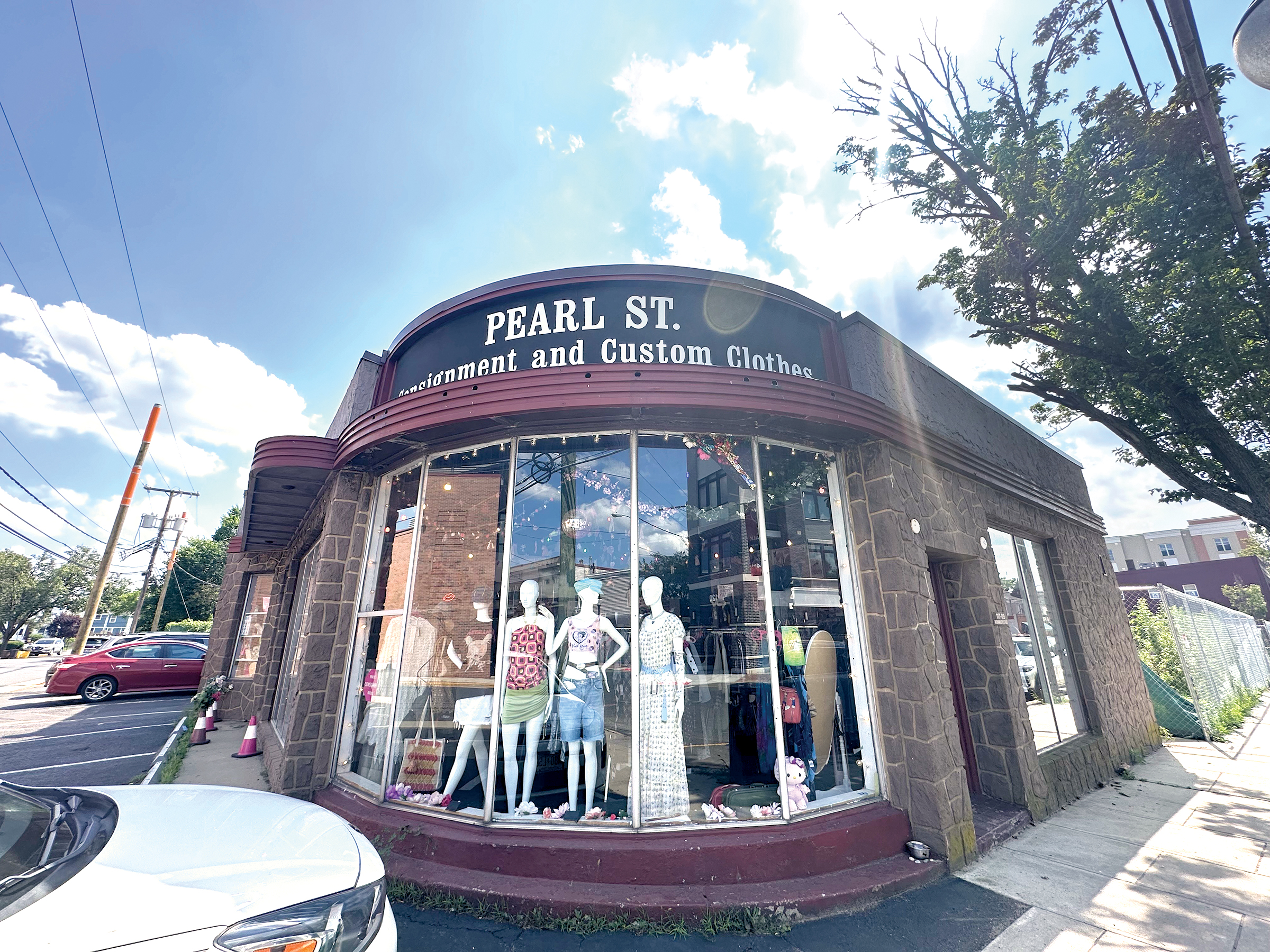
The owner of Red Bank’s Pearl Street Consignment, Emily Natale, urged people to continue purchasing from in-person thrift stores and consignment shops, as the process requires creativity, innovation, and an understanding of one’s own style.
“We love all different styles,” Natale said. “Here you get to develop your own personal style, rather than being sold a style.”
She noted that traditional stores often cater to a specific style, rather than letting the consumer develop their unique taste. “It’s telling you what you should like, rather than you deciding what you like,” she said.
Natale describes her store as “eclectic, alternative-meets-feminine,” and her clientele is often “16 to mid-20s, early 30s.”
In addition to jumpstarting a distinctive fashion sense among consumers, Natale’s store gives back to the community. Consignment shops generally sell secondhand items on behalf of the original owner, who receives a percentage of the selling price. At Pearl Street Consignment, contributors receive 40% of the revenue generated from the sale of their items.
She noted that a possible limitation of thrifting could be searching for a hidden treasure among so many different pieces and designs, but she finds it to be a skill to hone.
“It could be overwhelming at first,” she said, but the customer builds his or her personal style as they continue to thrift.
Specialized Thrifting Options
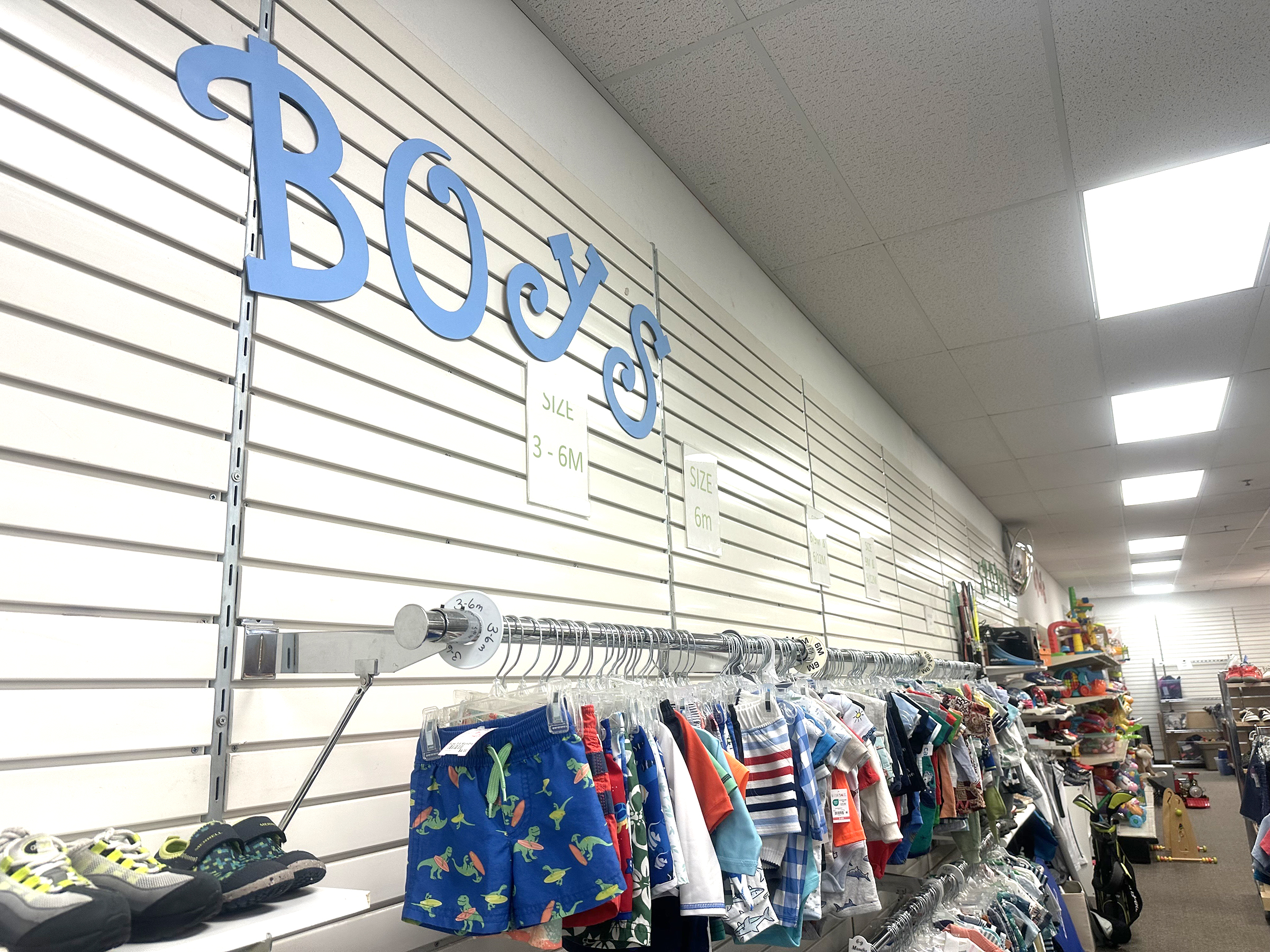
Cottontails Children’s Consignment in Shrewsbury is a family-owned thrift store that primarily sells baby, kids and maternity clothes. The establishment has been in business for over 30 years, according to Marissa Weber, who has managed it for approximately eight years.
She said her client base has been consis- tent this year, but there is an upward trend each year.
“As the younger women become moms, then they start to come in,” she said.
Weber has a 2-year-old and is expecting a second child in December. As a mom, she promotes thrifting, especially for children’s clothes, because they grow out of them quickly.
To combat waste and reduce the costs of clothing in her personal life, Weber said she tries to buy everything used whenever possible.
“Everything is so expensive for kids, so if you can get it used, then you don’t feel so bad when they destroy it either,” she said with a laugh.
Along with the financial benefits of purchasing secondhand, Weber notes the rewarding feeling of finding a one-of-a-kind product in a thrift or consignment shop.
“There’s… a treasure-finding aspect to it, when you find exactly what you’re looking for after you’ve been looking for a while,” said Weber.
Online Thrifting
Annette Natoli, of Hazlet, is a shopper who appreciates the convenience and accessibility of buying slightly used and discounted clothes online.
She noted that she prefers online thrift shopping over a traditional in-person shop ping experience because she has more control over the items she sees. On most websites, filtering options are available to make the search more specific.
“I could find more things when I (shop) online, whereas when I go to a store, it’s more hit or miss.”
Natoli stressed that in-person thrift shops are convenient in other ways, as they eliminate the need to return items. Most thrift shops allow customers to try on clothes before purchasing and many have no return policies.
Despite the perks of a conventional in-person thrift shopping experience, Na- toli likes being able to search for what she wants online, rather than looking through racks of clothes that may not have what she intends to buy.
“The cost and convenience and availability (are) very attractive,” she said.
Natoli purchases high-end items from online discount stores such as Poshmark and The RealReal.
She even attempted to sell on eBay but has only sold one purse successfully. According to Natoli, there was a verification and vetting process on eBay where she had to get her item approved, which ensures the customer receives the product as advertised.
Over her 15 years of thrifting, she has seen an improvement in the price, quality and quantity of items sold online.
“You find some really nice treasures when you’re hunting that weren’t necessarily there in the past,” she said.
Environmental, Financial Benefits
Purchasing used clothing also appeals to those who want to reduce their environmental footprint, according to vendors.
Natale noted that buying fast fashion – clothes produced quickly at a low cost – is now popular and can be more time-efficient and oftentimes cheaper than buying used clothes. However, she emphasized the detrimental impact of mass-produced, cheap clothes.
“Fast fashion is ruining our environment. And we have enough clothes right now to clothe everybody,” she said.
Similar to Natale’s perspective on fast fashion, Weber observed the short life cycle of children’s clothes and how thrifting could benefit more than just the person making the purchase.
“Especially with the kids’ stuff, they use something a couple times, if that,” Weber said. “You use something for such a short time, so to have it be single-use, it does not make a lot of sense financially or for the environmental cost.”
Weber noted that more items are being donated than people can use, and a lot of the clothes end up in landfills. She remains positive that purchasing from consignment stores can help lessen the waste.
“The environmental factor has opened up a lot of people’s eyes to just look at consignment and thrifting differently. And a lot of the stigma, I think, is gone,” said Weber.
She reiterated the financial impact of consignment shopping: “The money is staying local,”Weber said. “There is this really nice full circle of keeping the community making money.”
The article originally appeared in the July 24 – July 30, 2025 print edition of The Two River Times.