By Sophia Wiener
LITTLE SILVER – This November, Little Silver residents will weigh in on the question of open space, both in their community and the county.
Voters will be tasked with deciding whether or not to increase the borough’s open space tax levy from 1 cent to 1.5 cents per $100 of assessed property value, according to the municipal ballot. Additionally, they will see a Monmouth County question – as all county residents will – on the ballot to increase the county open space tax from 2.75 cents to 3.75 cents per $100 of equalized valuation.
Christopher Faherty, the Little Silver Council president and chair of the government’s finance committee, supplied insight into the operation of Little Silver’s Municipal Open Space, Recreation, and Farmland and Historic Preservation Trust Fund and the reason for the borough’s proposed increase.
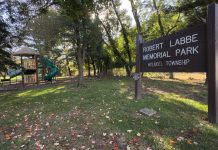
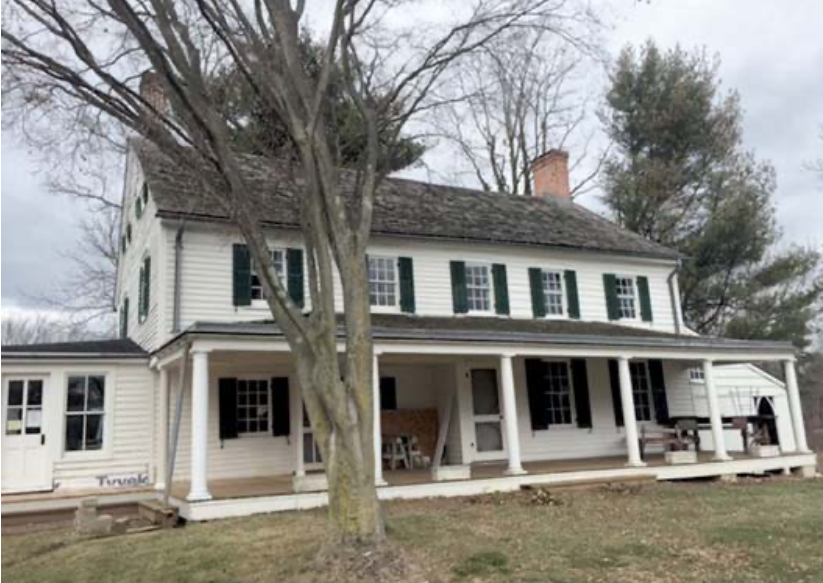
The fund was created by ordinance in 2002 to acquire and maintain public open space. The tax levy was set at that time. Little Silver has little open space to acquire, so funds are mostly used for maintenance, Faherty said. The open space fund pays for plantings, mulching, lawn aeration, the maintenance of walking paths and other expenses across the town in all open spaces, such as Sickles Field, the Parker Homestead property and Challenger Field and its baseball diamond, he added.
The finance committee first began considering a tax increase while drafting a town budget during the previous budget cycle. “The concern has been that the rising costs have outpaced any increases in what’s been contributed to the trust fund. And that’s largely because of inflation and the cost of services and materials,” Faherty said.
“The concern is, if we are not adequately saving in the trust fund, and we’re utilizing all of the dollars each year for operating expenses, how can we expect to have saved them for future capital expenses?” he said.
The fund serves one more advantage, council member Donald Galante explained at a July town meeting. Little Silver residents give the county nearly $700,000 via the county’s open space levy. The county’s open space fund dispenses grants, but for Little Silver to receive any money, it has to match the grant, Galante said at the time. Since Little Silver doesn’t hold any county-owned open spaces, receiving matching county grants is the only way for the town to benefit from the county tax.
The ballot for Little Silver residents states that, for an average home assessed at $1,146,935, the increase in the levy would raise the open space tax payment from $114.69 per year to $172.04 per year. In practice, said Faherty, according to 2025 tax assessments, “73% of the town would experience an increase of less than $63 per year, while 92% of the town would experience an increase of less than $100 per year.”
Having an open space trust fund allows Little Silver to build stability and certainty into the budget for something the governing body believes most residents consider an important town resource, Faherty said. While he understood residents’ reluctance to increase taxes, “If we agree we do need additional dollars for something that has important public good and value, like open space, it is more prudent to do so via the trust fund.”
“Our community members need to think about what the importance of open space is to them. This is a devoted funding source, and so it ensures we have the monies for open space.”
The article originally appeared in the October 30 – November 5, 2025 print edition of The Two River Times.